
A homeowner called me last spring after a pest company cleared out a termite colony in her crawlspace. The exterminator handed her a clean bill of health and a $1,200 invoice. She thought she was done. Then I crawled under the house and found three floor joists I could push a screwdriver through like wet cardboard.
That is the part nobody warns you about. Killing the pests is the cheap half. Repairing what they chewed, soaked, or rotted is where the real bill shows up, and it usually lands weeks after the exterminator has driven off. I have priced thousands of these jobs, and the repair side runs anywhere from a few hundred dollars for cosmetic patching to well over $15,000 when structural members are involved.
Let me walk you through the damage pests actually cause, what each repair really costs, and where the money quietly disappears on a job like this.
Why Pest Damage and Pest Removal Are Two Different Bills
People lump "termite problem" into one number in their head. In reality you are paying two separate trades. The pest control company handles the living infestation. A contractor (me, or someone like me) handles the carpentry, drywall, and structural work afterward.
Termite treatment alone typically runs around $500 to $2,500 depending on method and home size. That number tells you nothing about the repair. A small colony caught early might leave $300 of patching behind. A colony that fed undetected for five years can leave a five-figure rebuild.
"The treatment quote covers the damage." It almost never does. Pest companies kill bugs; they are not licensed to rebuild your framing. Always budget for repair as a separate line, and assume the visible damage is smaller than the hidden damage.
Termite Damage: From Hairline Cracks to Structural Rebuilds
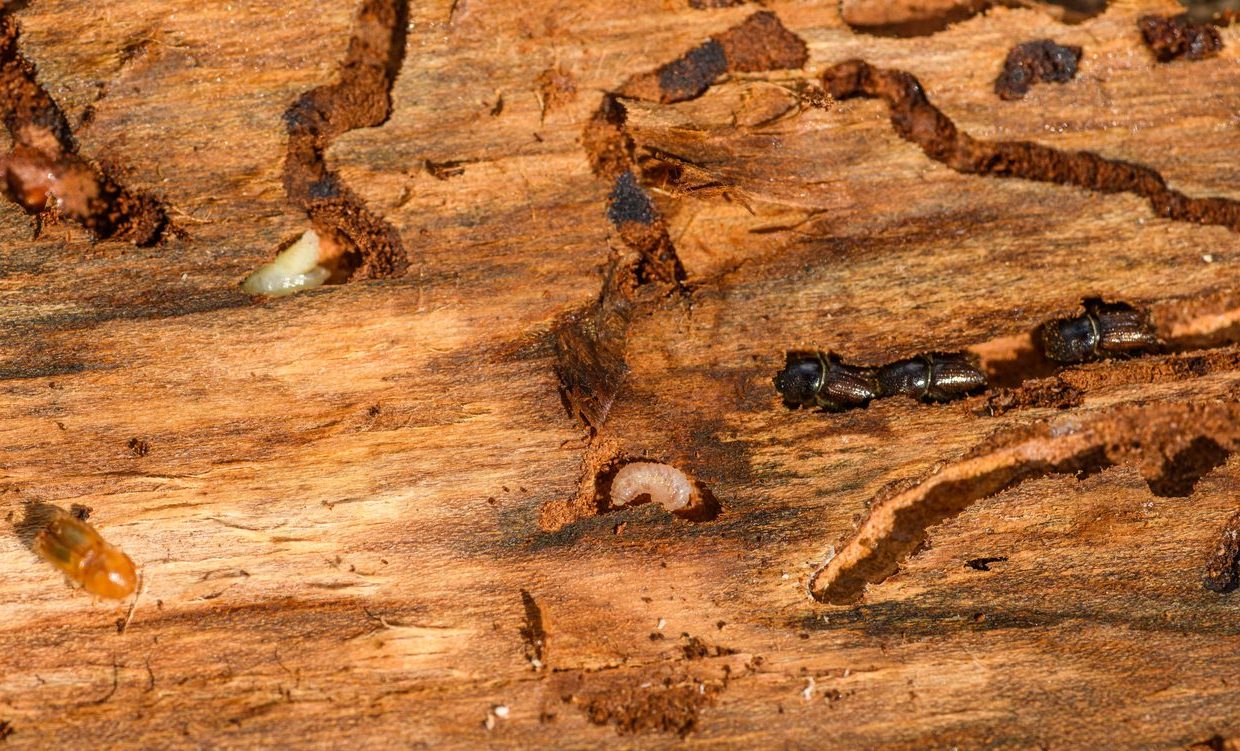
Termites eat wood from the inside out, so by the time you see sagging floors or blistered paint, they have been at it a while. The repair cost scales with how deep they got into the structure.
Cosmetic and surface repairs
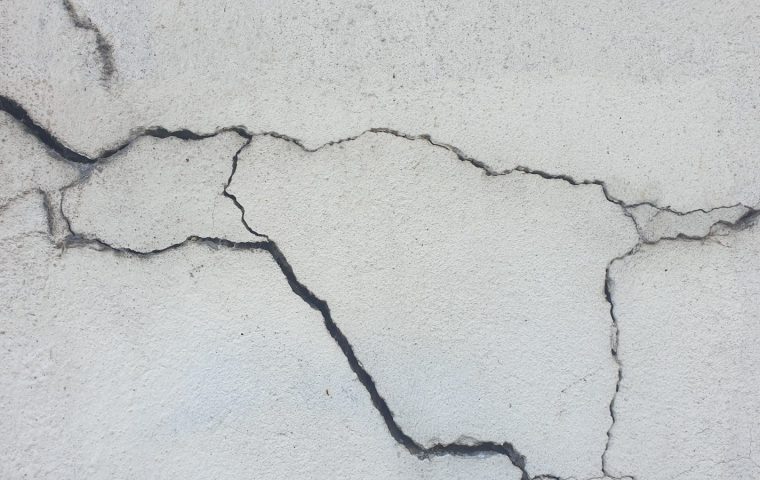
This is the lucky end. Hollowed trim, damaged baseboards, a few feet of chewed drywall. You are looking at roughly $300 to $1,500 in labor and materials. A carpenter swaps the affected boards, a painter blends it in, and you move on.
Structural framing repairs
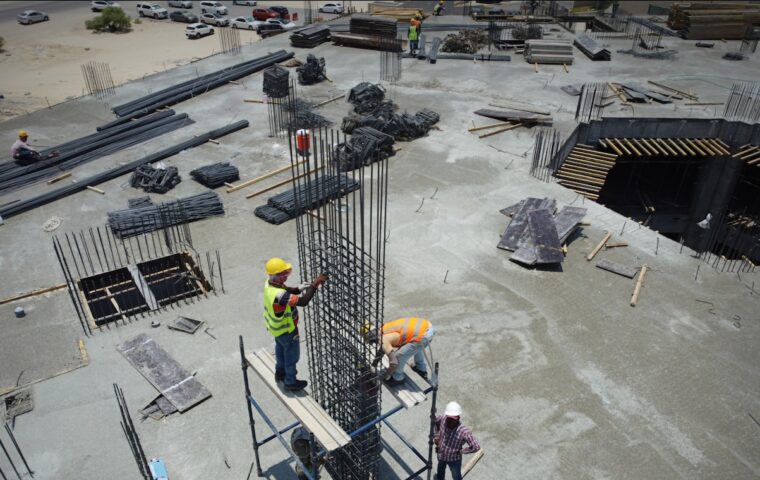
Here is where it gets serious. When termites hit load-bearing members, joists, studs, beams, or subfloor, the repair stops being cosmetic. Sistering a damaged floor joist runs around $500 to $1,500 per joist. Replacing a structural beam or post can run $2,000 to $5,000 once you account for temporary shoring, demolition, and rebuild.
A full structural repair on a home with widespread termite damage often lands between $7,000 and $15,000, and I have written estimates north of $20,000 on older homes where the sill plate was gone.
| Repair type | Typical cost range | What drives the price |
|---|---|---|
| Cosmetic patching (trim, drywall, paint) | $300 - $1,500 | Square footage, paint matching, finish quality |
| Subfloor section replacement | $500 - $3,000 | Access, flooring removal, room size |
| Floor joist sistering or replacement | $500 - $1,500 per joist | Crawlspace access, number of joists |
| Beam, post, or sill plate replacement | $2,000 - $5,000+ | Shoring, load path, demolition |
| Whole-home structural rebuild | $7,000 - $20,000+ | Extent of damage, age of home, permits |
Rodent Damage: Small Animals, Surprisingly Big Repairs
Rodents do not eat your framing, but they wreck the parts of a house that keep it dry, warm, and safe. Mice and rats chew wiring, shred insulation, gnaw through ductwork, and leave behind contamination that has to be cleaned out before anything else happens.
Chewed electrical wiring is the one that scares me. A rodent can strip insulation off a wire and create a fire risk you never see. Rewiring affected runs typically costs around $200 to $1,500 depending on access and how much they got into.
Insulation replacement is the volume item. Once rodents nest in batt or blown-in insulation, it is contaminated and needs to come out. Removal and replacement of attic insulation commonly runs $1.50 to $3.50 per square foot, so a 1,000 square foot attic can hit $1,500 to $3,500 on its own.
Decontamination. Before insulation goes back in, the space has to be cleaned and sanitized of droppings and urine. That cleanup adds roughly $400 to $1,500 and is almost always left off the first verbal estimate you get. Ask for it in writing.
Moisture, Rot, and the Damage Pests Invite In
Pests and water travel together. The same conditions that draw termites, damp wood and poor drainage, also rot framing on their own. When I open up a wall after an infestation, I am usually fixing two problems at once.
That is why a pest repair can quietly turn into a moisture repair. If the crawlspace stayed wet enough to attract termites, you may also need to address the source. Sometimes that means improving drainage with a sump pump installation, and sometimes the rot has crept toward the structure in a way that overlaps with foundation repair work.
I also see roof-related pests, squirrels and rats that get in through a damaged roofline, where the entry point itself needs sealing. If they got in through a gap caused by water intrusion, you are looking at fixing the roof leak that let them in before the rodent repair even starts.
Repairing damage without fixing what attracted the pests is throwing money away. I have rebuilt the same crawlspace twice for two different owners because nobody dried it out. Fix the moisture, then fix the wood.
What Moves the Final Price Up or Down
Two homes with "the same" termite damage can be thousands of dollars apart on the repair. Here is what actually swings the number.
- Access. A tight crawlspace or a finished basement that has to be torn open costs far more in labor than an open, walkable area.
- Load-bearing vs. not. Cosmetic wood is cheap. Anything holding up the house requires shoring and an engineer's sign-off in some cases.
- Permits. Structural work usually requires a permit, typically $150 to $700, plus inspection time. Skipping it bites you at resale.
- Finishes. Matching old hardwood, plaster, or custom trim costs more than swapping a sheet of drywall.
- Extent of hidden damage. The estimate grows the moment we open the wall and find more than we expected. Build in a 15 to 20 percent cushion.
A Realistic Sample Estimate
Here is a job close to that crawlspace I mentioned at the top. Moderate termite damage to three floor joists and a section of subfloor, plus rodent-contaminated insulation in the same area.
- Sister and reinforce three floor joists: around $2,400 in labor and lumber.
- Replace 120 square feet of subfloor: roughly $1,000.
- Remove and replace contaminated crawlspace insulation: about $1,200.
- Decontamination and cleanup: around $700.
- Permit and inspection: roughly $350.
That puts the repair near $5,650, and that is before the pest treatment bill. A clean, well-scoped job, but you can see how fast the "small termite problem" became a real project.
Does homeowners insurance cover pest damage repair?
Usually not. Most policies treat termite and rodent damage as preventable maintenance, so the repair comes out of your pocket. Sudden, accidental damage may be covered, but slow infestation almost never is. Read your policy before you assume.
How do I know if the damage is structural or just cosmetic?
Press on the wood. If a screwdriver sinks in easily, or floors feel spongy and doors stick, you may have structural involvement. Get a contractor or structural engineer to inspect before you accept any repair quote.
Should I repair the damage before or after pest treatment?
After. Treat and confirm the infestation is gone first, otherwise you are rebuilding around live pests. Once treatment is verified, bring in the contractor so you are not sealing bugs inside fresh framing.
If you take one thing from this, it is to treat repair as its own budget line and never trust the first verbal number. Open the wall, find the hidden damage, fix the moisture that started it, then rebuild once. Do it in that order and you spend the money one time instead of two.