
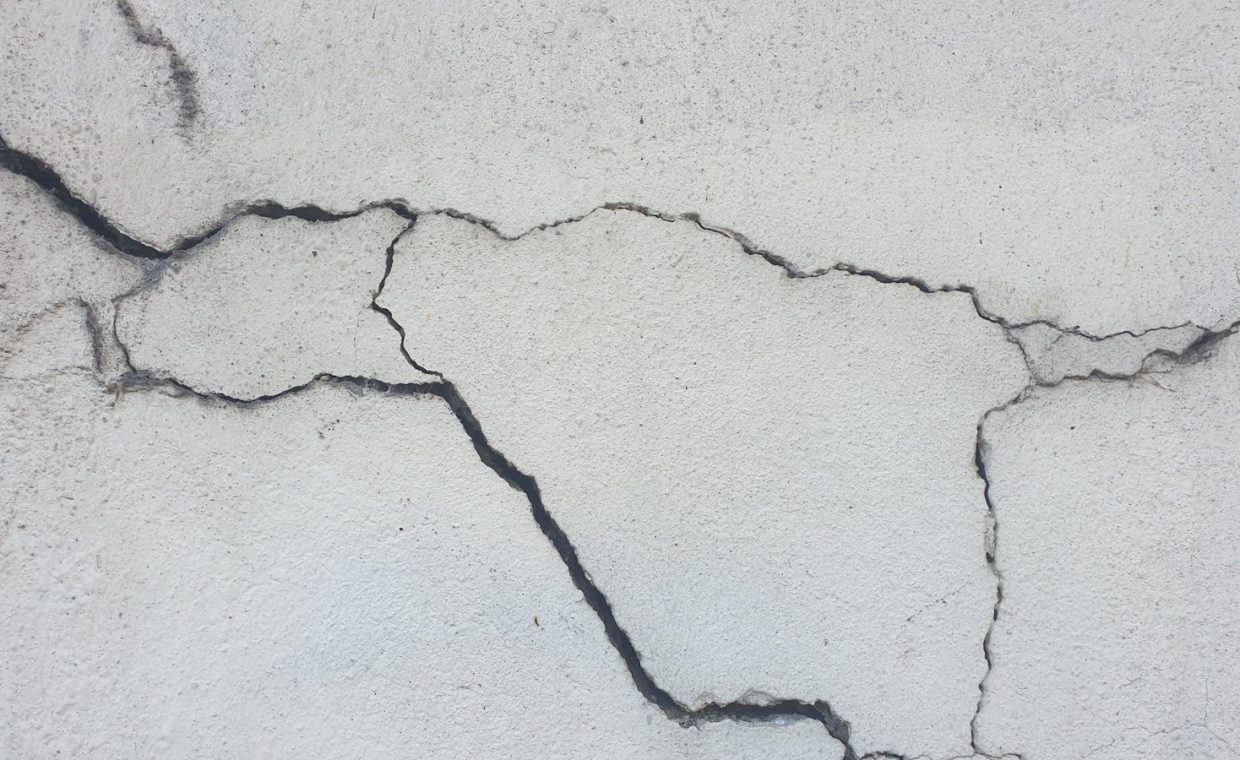
A homeowner emailed me a photo last spring: a thin diagonal crack above a basement window, maybe the width of a pencil lead. She'd already collected two quotes, one for $850 and one for $9,400. Same crack, same house, same week. That spread is the whole problem with foundation repair, so let me show you how to read it.
The reason those numbers diverge so wildly is that "foundation repair" covers everything from a tube of epoxy to driving steel piers thirty feet into the soil. The contractor quoting $850 saw a cosmetic crack. The one quoting $9,400 either saw active settlement (or smelled a worried owner and padded accordingly). Most of the time, the truth sits closer to the low number than people fear.
Below I break the work into the actual jobs a foundation involves, what each one costs in line items, and where I see prices get inflated. Treat the ranges as illustrative market figures, not a quote for your house. Your soil, your region, and your access all move the final bill.
What a crack actually signals (and what it costs to seal)
A foundation crack is just a break in the concrete or block. The question is never "is it cracked" but "is it moving." A stable hairline crack is cosmetic. A widening crack with vertical offset is structural, and those are different price tiers entirely.
For non-structural cracks, the fix is injection. A pro drills ports along the crack and pumps in epoxy (for dry, structural-but-stable cracks) or polyurethane (for cracks that leak water). The material is cheap. You're paying for the trip and the skill.
| Crack repair task | Materials | Labor | Typical total |
|---|---|---|---|
| DIY epoxy/poly injection kit | $60-$150 | $0 (your time) | $60-$150 |
| Pro epoxy injection, single crack | $40-$90 | $300-$600 | $350-$800 |
| Polyurethane leak seal, single crack | $50-$110 | $350-$700 | $400-$900 |
| Carbon-fiber strap reinforcement (per strap) | $60-$120 | $250-$450 | $350-$650 |
A common mistake: paying structural prices for a cosmetic crack. If you're not sure which you have, the crack severity guide walks through measuring width and checking for offset before you call anyone.
Bowing walls and the carbon-fiber question
When a basement wall bows inward, soil pressure is winning. The classic example is a block wall that leans in at the middle with a horizontal crack running across it. Caught early, this is one of the better-value repairs in the business.
Carbon-fiber straps epoxied vertically up the wall stop further movement. Figure roughly $400 to $700 per strap installed, and a typical wall needs four to eight straps, so $2,000 to $5,000 is a fair range. For walls that have moved more than two inches or so, you move up to steel I-beams or wall anchors, which run $4,000 to $12,000.
It almost never does. A bowing wall caught under two inches of deflection is usually a strap-and-stabilize job, not a rebuild. Rebuilding a wall is a last resort, and any contractor leading with that line on a slightly bowed wall is one I'd get a second opinion against.
Settlement, piers, and why this is the big-ticket tier
Settlement is when part of the foundation sinks because the soil under it gave way. You'll see it as doors that won't latch, sloping floors, and stair-step cracks in brick. This is the tier where five-figure quotes are legitimate.
The fix is underpinning: driving or pushing piers down to stable soil (or bedrock) and transferring the house's weight onto them. Two main types exist, and the choice drives the price.
Push piers vs. helical piers
- Push piers use the building's own weight to drive steel pipe to load-bearing strata. Good for heavier structures. Roughly $1,400 to $2,500 per pier installed.
- Helical piers screw into the soil and carry load on their own, better for lighter structures and additions. Roughly $1,500 to $2,800 per pier.
A settling corner often needs three to five piers. A whole side of the house can need eight to fifteen. That's how a "foundation job" lands at $15,000 to $40,000. The piers are the line item that matters; everything else (mobilization, excavation, patching) is supporting cost.
Ask for the price per pier and the number of piers as separate numbers. If a contractor only gives you a lump sum, they can quietly add piers you may not need. I've seen quotes for eleven piers that an independent engineer trimmed to six.
The line items quotes don't itemize for you
A clean foundation quote should break out labor, materials, equipment, and permits. Most don't, so here's what's hiding inside that lump sum.
- Engineering report: $400-$1,200 for a structural engineer to specify the fix. Worth every dollar because it stops you from over-buying.
- Permits: $75-$500 depending on your municipality. Underpinning almost always requires one.
- Excavation and access: $500-$3,000. Tight side yards and finished basements push this up fast.
- Restoration: regrading soil, re-pouring a slab edge, and the interior patch-up afterward.
That last one catches people. After piers go in, you may have drywall to fix where cracks reopened during the lift. A few patched rooms can add to your budget, and the drywall repair cost breakdown shows what those interior fixes run once the structural work is done.
What pushes your price up or down
Two identical cracks can cost very differently, and it usually comes down to four factors. Expansive clay soil that swells and shrinks with moisture is the biggest driver, common across much of Texas and the Plains. Homes on that soil settle more and need deeper piers.
Access is the second. A repair you can reach from an open yard is cheap labor. The same repair under a deck, behind a finished basement wall, or beside a buried utility line means hand-digging and higher hours.
Severity and timing are the rest. A crack sealed this year for $500 can become a $20,000 underpinning job if you let water keep working on the soil. Foundation problems compound, much like the way a small heating issue grows. If you've ever weighed a furnace repair vs. replacement decision, the logic is the same here: a small fix now usually beats a big one later.
High-pressure foundation salespeople love a same-day discount. No legitimate structural repair needs to be signed before an independent engineer has looked at it. If the "today only" price evaporates when you ask for a report, that price was never real.
A realistic budget by scenario
To put it together, here's what I'd tell that homeowner with the pencil-thin crack, and three neighbors with worse luck.
- Hairline cosmetic crack: $60 DIY to $800 pro. Seal it and monitor.
- Leaking crack in a basement: $400-$1,200 for polyurethane injection plus drainage tweaks.
- Bowing wall caught early: $2,000-$5,000 in carbon-fiber straps.
- Settling corner needing piers: $7,000-$15,000 for three to five piers plus engineering and permits.
- Major underpinning, one full side: $20,000-$40,000 all in.
Notice that the worried-owner crack sits at the very bottom. The vast majority of cracks people panic over are at the cheap end. The expensive tiers are real, but they announce themselves with sticking doors and sloping floors, not a thin line in the concrete.
Is a foundation crack always serious?
No. Most hairline and shrinkage cracks are cosmetic and seal for a few hundred dollars. A crack becomes a concern when it's wider than about a quarter inch, has offset between the two sides, or is growing month to month.
Does homeowners insurance cover foundation repair?
Usually not. Standard policies exclude settlement, soil movement, and gradual damage, which is most foundation work. Sudden covered events (like a burst pipe washing out soil) are the exception, so read your policy's earth-movement clause before assuming you're covered.
How many quotes should I get?
Three, and pair them with one independent structural engineer's report. The engineer works for you, not for the repair company, so their pier count and fix spec become your check against an inflated bid.
Foundation repair scares people because the worst-case numbers are genuinely big, but most owners never reach that tier. Get a crack measured, get an engineer's read before you sign anything, and make a contractor show you the price per pier. Do that, and you'll almost always find the real number is smaller than the one fear quoted you.