
A 320 square foot deck is one of the most common projects I see homeowners price out, and the quotes they bring me swing wildly. One contractor says $7,000 for pressure-treated lumber, another says $19,000 for capped composite, and the homeowner is left wondering whether the expensive option is a splurge or a smart long-game.
The honest answer is that the cheapest deck to build is rarely the cheapest deck to own. Pressure-treated pine wins on the day you sign the contract. Composite often wins by year fifteen, once you've added up the stain cans, the lost weekends, and the boards you've had to replace.
So let's frame the three materials most decks actually use, pressure-treated, cedar, and composite, by both what they cost upfront and what they cost to keep. I'll keep the numbers as realistic market ranges, because regional labor and lumber prices move these around more than any spec sheet will tell you.
The three materials, in plain terms
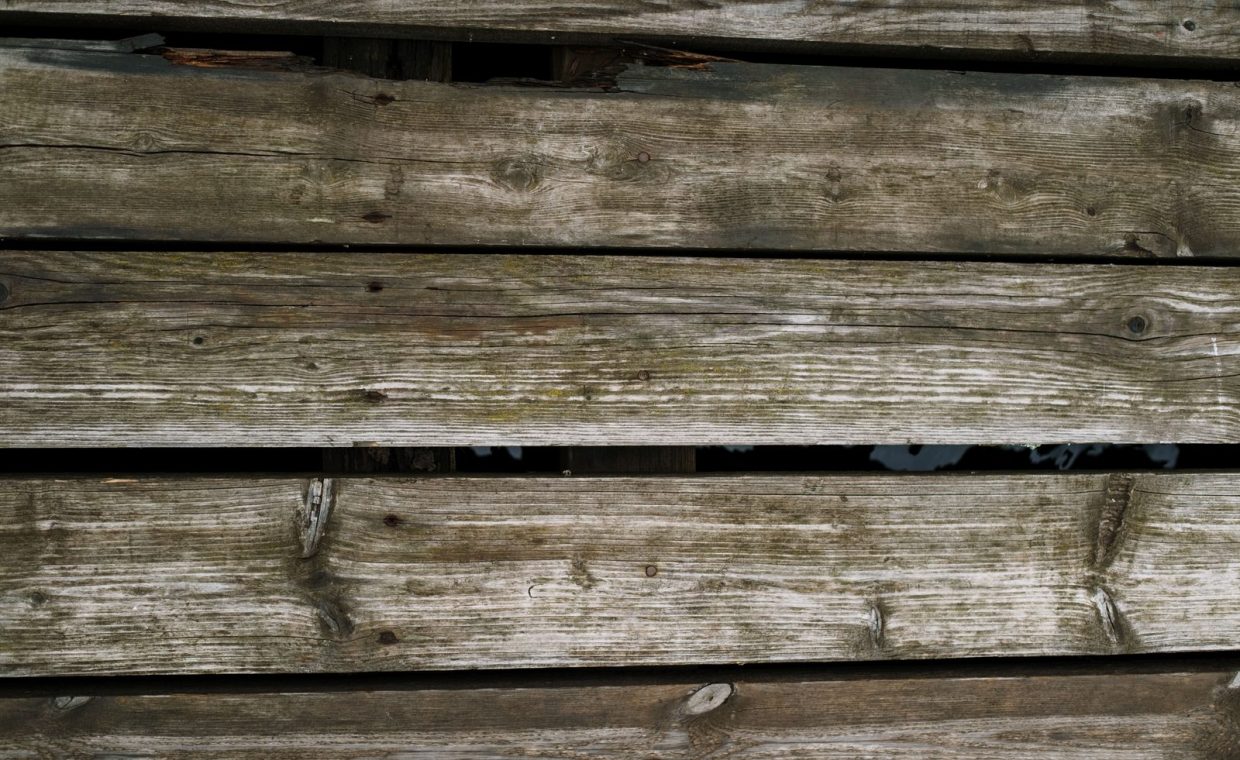
Pressure-treated (PT) pine is the workhorse. It's softwood injected with preservatives to resist rot and insects, and it's what most builder-grade decks are made of because it's cheap and widely stocked.
Cedar is the mid-tier natural option. It's prized for the warm color and the fact that it resists rot on its own, no chemical treatment needed. It's softer than PT, which means it dents, but it also sits flatter and looks better doing it.
Composite is the engineered choice, a blend of wood fibers and recycled plastic, usually wrapped in a protective polymer cap. It costs the most to install and never needs staining, which is the whole pitch.
Roughly 60 to 70 percent of a deck's total cost is the structure underneath, the joists, posts, footings and labor. That framing is almost always pressure-treated lumber regardless of what your surface boards are, so "going composite" really only changes the deck surface and railing, not the whole project.
What each material costs to install
Installed cost (materials plus labor) is the number that matters most upfront, so here's where the three land for a standard ground-level deck. Labor typically runs $15 to $35 per square foot on its own, and it doesn't change much between materials since the framing work is identical.
- Pressure-treated: roughly $15 to $30 per square foot installed. Board material alone is often $2 to $5 per square foot.
- Cedar: roughly $25 to $45 per square foot installed. The boards run more like $5 to $10 per square foot.
- Composite: roughly $35 to $60 per square foot installed, with premium capped lines pushing higher. Boards alone are commonly $8 to $15 per square foot.
For that 320 square foot example, you're looking at something like $7,000 to $9,500 in PT, $9,000 to $14,000 in cedar, and $13,000 to $19,000 in composite. Don't forget permits, which usually add $150 to $500 depending on your city, and more if the deck is elevated or attached to the house.
Wood vs composite at a glance
| Factor | Pressure-treated | Cedar | Composite |
|---|---|---|---|
| Installed cost (per sq ft) | $15-$30 | $25-$45 | $35-$60 |
| Realistic lifespan | 15-20 years | 15-25 years | 25-30+ years |
| Upkeep | Clean and re-stain every 2-3 years | Clean and seal every 2-4 years | Wash a couple times a year |
| Annual upkeep cost | $150-$400 | $150-$400 | $0-$75 |
| Main risks | Warping, splitting, splinters | Soft, dents and grays fast | High upfront, can fade or stain, gets hot |
| Resale appeal | Expected, neutral | Warm, strong with the right buyer | Low-maintenance selling point |
The cost nobody quotes you: upkeep
This is where the conversation gets interesting, and where I spend most of my time talking homeowners off the "cheapest" ledge.
A wood deck needs sealing or staining on a cycle, every two to three years for PT, every two to four for cedar. Doing it yourself runs $50 to $150 in materials per cycle, plus a weekend of sanding, taping and rolling. Hiring it out is more like $400 to $900 each time for that 320 square foot deck.
Run that out over twenty years and a wood deck can quietly absorb $3,000 to $8,000 in maintenance, on top of the boards you'll swap as they cup and split. Composite asks for a hose-down and the occasional soapy scrub. That's the trade you're really buying.
Composite usually costs $5,000 to $8,000 more to install than PT on a mid-size deck. If you'd otherwise pay a pro to stain, composite often pays for itself somewhere around year ten to fifteen. If you happily stain your own deck, that break-even stretches much further out, and wood can stay the cheaper option for its whole life.
What actually moves the price
Height and access
A deck more than a few feet off the ground needs more posts, footings, stairs and sometimes engineered railings. An elevated second-story deck can cost 30 to 50 percent more than the same square footage at grade. Tight side-yard access that forces hand-carrying material adds labor too.
Railings and stairs
Railing is its own budget line, often $40 to $120 per linear foot installed, and composite or aluminum rail systems sit at the top of that. Stairs are labor-heavy, so a tall flight can add $1,000 to $3,000 on its own.
Board pattern and grade
Diagonal layouts, picture-frame borders and mixed colors all add cut waste and labor. On the material side, choosing premium capped composite over a builder-grade uncapped line can swing your board cost by 40 percent or more.
If you're weighing a deck against other outdoor upgrades, the same upfront-versus-lifetime logic shows up in our fence cost by material breakdown and in patio pavers vs concrete, where the cheaper pour can cost more once cracks and repairs enter the picture.
So which one wins?
There's no single winner, only the right match for how you actually live.
Pressure-treated wins if your budget is tight, you're not staying in the house long, or you genuinely don't mind the staining ritual. It's the lowest barrier to a deck, full stop.
Cedar wins if you want natural wood character and warmth without chemical-treated lumber, and you're willing to seal it to slow the silver-gray. It's the design-lover's middle path.
Composite wins if you plan to stay put for a decade or more, you'd rather spend weekends on the deck than under it, and the higher upfront number fits. For most homeowners staying long-term, that's the quietest money I see well spent. The same "pay more now, save the hassle later" instinct shows up when people compare options in our roofing material cost comparison, where lifespan does a lot of the deciding.
Is composite decking really maintenance free?
No, but it's close. Capped composite never needs staining or sealing, which is the big chore with wood. You still wash it a couple times a year and clear leaves from the gaps, and you'll want to wipe up grease spills before they set.
Does a wood or composite deck add more resale value?
Both add value, and neither typically returns 100 percent of its cost. Buyers tend to reward the low-maintenance promise of composite and the warmth of cedar, while a tired, gray PT deck can actually read as deferred maintenance. Condition matters more than material.
Can I put composite boards on an old wood deck frame?
Sometimes, if the framing is sound and joists are spaced correctly for composite, often 12 to 16 inches on center. Have it inspected first. Composite is heavier and less forgiving of sagging joists, so resurfacing a failing frame just hides a bigger problem.
If I had to leave you with one habit, it's this: price the deck twice, once for the day it's built and once for the day you'd sell. Run your own staining honesty into that second number. The material that looks expensive on the quote often looks like the bargain by the time you're hosting your tenth summer on it.