
Last spring I sat at a kitchen table in suburban Ohio while a homeowner spread three roofing quotes in front of me. Same house, same square footage, wildly different numbers. The asphalt bid came in around $11,000. The standing-seam metal quote was $28,000. The clay tile estimate topped $40,000 and came with a note about reinforcing the framing.
Her question was the one almost every roof shopper asks: is the expensive option actually worth it, or am I paying for a salesman's truck payment? The honest answer is that it depends entirely on how long you plan to stay and what your roof has to survive (sun, hail, salt air, wildfire embers). So I called a few suppliers, read the warranty fine print, and put the real tradeoffs on paper.
Here is how the three main materials stack up on price, lifespan, upkeep, and the risks nobody mentions until the deposit clears.
What you are actually paying for
A roof quote is rarely just shingles. It bundles tear-off of the old roof, new underlayment, flashing, labor, dumpster fees, and a permit. On a typical single-family home (roughly 1,700 to 2,200 square feet of roof area), the material itself is often less than half the total.
That matters because labor and tear-off costs stay fairly similar across materials, while the material line item swings dramatically. So a "three times more expensive" tile roof is not three times the labor. The premium is concentrated in the product and the extra structural work some products demand.
Roofers price by the "square," which is 100 square feet of roof, not floor area. A 2,000-square-foot house can easily have 24 to 30 squares of roof once you count slope and overhangs. Ask for the square count in writing so you can compare bids apples to apples.
Asphalt shingles: the default for a reason
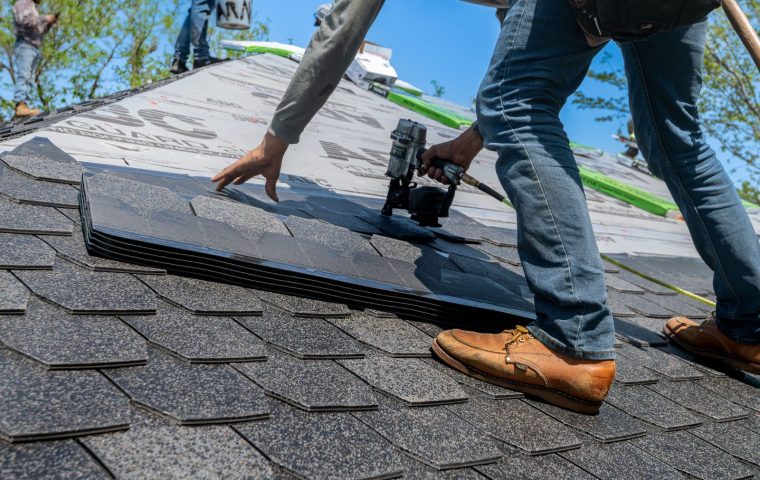
Asphalt is on roughly four out of five American homes, and the math explains why. Installed, you are typically looking at $4.50 to $9.00 per square foot, which lands most homes between $9,000 and $18,000 for a full replacement.
Within asphalt there are tiers. Basic three-tab shingles sit at the bottom of that range and last about 15 to 20 years. Architectural (or "dimensional") shingles cost a bit more, look thicker, and stretch to 25 or 30 years. They are the sweet spot for most budgets.
The catch is lifespan in harsh climates. Brutal sun and big hail can cut an asphalt roof's life short, and you may be tearing it off again while a metal roof would still be going strong.
Metal roofing: pay now, forget about it
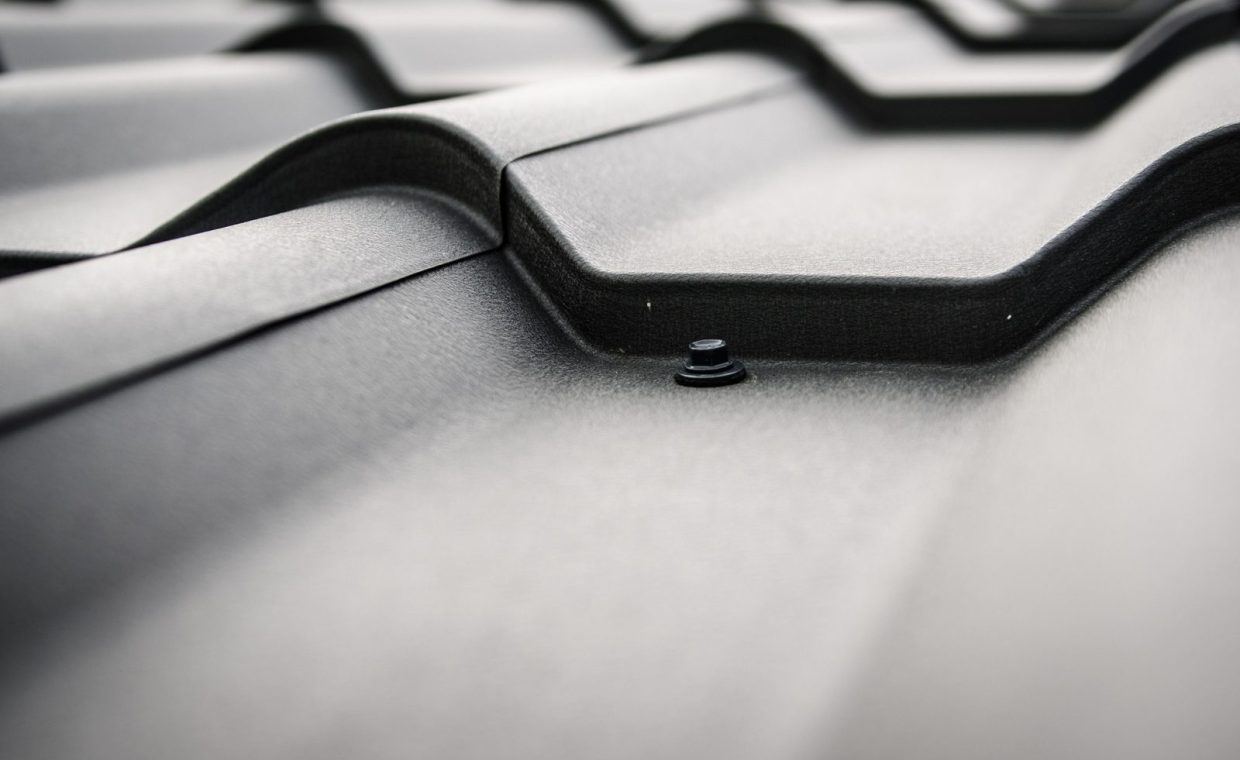
Metal has shed its barn-roof reputation. A standing-seam steel or aluminum roof runs roughly $9 to $16 per square foot installed, putting most homes in the $18,000 to $32,000 range. Cheaper exposed-fastener panels exist for less, but they need their screws and gaskets checked over time.
What you buy with that premium is time. A quality metal roof lasts 40 to 70 years, often outliving the homeowner who installed it. It also sheds snow, resists fire, and can shave a little off cooling bills by reflecting heat.
If you replace asphalt twice over the span you would have kept one metal roof, the lifetime cost gap narrows a lot. Metal rarely "pays for itself" in pure dollars, but for someone staying put for 30-plus years, it can come close while sparing you two more tear-offs.
What pushes metal prices up
Complex rooflines with lots of valleys, dormers, and penetrations cost more in metal because every seam is hand-fit. Copper and zinc are a luxury tier of their own and can double the figures above. For most shoppers, coated steel is the practical choice.
Tile roofing: heavy, gorgeous, and demanding
Clay and concrete tile are the long-haul champions on lifespan, easily 50 years and often much longer. Concrete tile runs roughly $10 to $18 per square foot installed, and clay can reach $12 to $25 or more, so full replacements frequently land between $20,000 and $50,000.
Tile is heavy, sometimes three times the weight of asphalt. Many homes need an engineer's sign-off and added framing before tile goes on, which is a real line item, not a formality. Individual tiles also crack if someone walks the roof carelessly, so repairs require a tile-savvy crew.
Where tile shines is hot, dry, fire-prone regions. It handles sun without degrading and the curved profiles let air circulate underneath, which helps in desert heat.
Side-by-side comparison
Here is the snapshot I gave that homeowner in Ohio, with figures kept as illustrative market ranges rather than exact quotes.
| Factor | Asphalt shingles | Metal (standing seam) | Clay / concrete tile |
|---|---|---|---|
| Installed cost (per sq ft) | $4.50 - $9 | $9 - $16 | $10 - $25 |
| Typical full replacement | $9,000 - $18,000 | $18,000 - $32,000 | $20,000 - $50,000 |
| Expected lifespan | 15 - 30 years | 40 - 70 years | 50+ years |
| Upkeep | Low, occasional shingle repair | Very low, check fasteners on panel types | Low, but cracked tiles need a specialist |
| Main risk | Hail and sun shorten life | Higher upfront cost, dents from large hail | Weight needs framing, brittle underfoot |
| Best fit | Budget and shorter stays | Long stays, snow, fire zones | Hot, dry, fire-prone, curb appeal |
So which one wins?
There is no single winner, only a best fit for your situation. If you are budget-focused or might sell within a decade, architectural asphalt is the smart, defensible choice. You get a clean roof and keep tens of thousands in your pocket.
If you are staying for the long haul, especially in snow or wildfire country, metal earns its premium by erasing future tear-offs. And if you live in the dry, sunbaked Southwest and want a roof that matches the architecture and lasts half a century, tile is hard to beat (just budget for the structural check).
Salespeople love to push the priciest material with low monthly payments. Run the total interest before you agree. A roof you will not be living under in eight years rarely justifies a 50-year material financed at a high rate.
How to keep your roof bid honest
Get at least three quotes and make sure each one specifies the same scope: full tear-off, new underlayment, and replaced flashing. A suspiciously cheap bid often skips one of those, and you pay for it in leaks later.
While you are tackling the exterior, it is worth pricing related projects together, since crews and permits sometimes overlap. Homeowners weighing a new roof are often also looking at siding cost by material and window replacement cost, and bundling can occasionally trim mobilization fees. If your budget is tight, a backyard upgrade like comparing deck wood vs composite can wait, but the roof should not.
Is a metal roof worth the extra cost over asphalt?
It depends on how long you will stay. Over a 15-year horizon, asphalt usually wins on cost. Past 30 years, metal closes much of the gap because you skip a second tear-off, and it adds fire and snow resistance that asphalt cannot match.
Can I put a new roof over my old shingles to save money?
Sometimes, and a layover can shave a few thousand off by skipping tear-off. But it hides rot, adds weight, and many warranties and codes only allow one layer. I usually advise a full tear-off so you actually see the deck underneath.
Why does tile cost so much more to install?
Two reasons: the material itself is pricier, and the weight often forces a structural review and reinforced framing. That engineering and extra labor, not just the tiles, drive the higher number.
If I were sitting at your kitchen table, I would tell you to start with how long you plan to own the house, then let the climate narrow the field. Get the square count in writing, match the scope across bids, and ignore any pitch that leans harder on the monthly payment than the roof itself. A fair deal is the one that fits your timeline, not the salesman's.