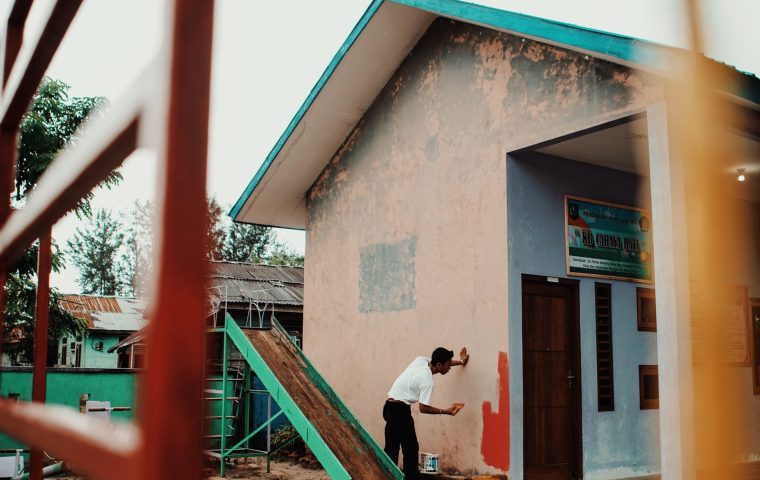

I pulled a sheet of old cedar lap off a 1970s ranch last spring and found exactly what I expected behind it: soft sheathing, a wasp nest, and twenty years of paint failure nobody upstairs ever noticed. The siding had been "fine" from the curb for years. Up close, it was a wallet quietly bleeding out.
Re-siding a house is one of those jobs where the material you pick decides what your next thirty years look like. The wrap, flashing, and fasteners behind the panels matter as much as the panels themselves, and that hidden work is where I see the most corners cut. So before you fall in love with a color, let's talk real installed cost and the upkeep nobody mentions at the showroom.
Numbers below are illustrative market ranges for a typical single-story or two-story home, installed by a licensed crew. Your bids will swing with house height, trim detail, and how much rotten wood we find once the old stuff comes off.
What you are actually paying for
An installed siding price is rarely just the panels. On a re-side, a fair share of the budget goes to labor, tear-off, disposal, and the moisture barrier you never see.
Here is how a job usually breaks down per square foot, installed:
- Materials: the siding, trim, corners, J-channel, and fasteners.
- Labor: tear-off of old siding, prep, and installation, often the single biggest line.
- House wrap and flashing: roughly $0.50 to $1.50 per square foot, and worth every cent.
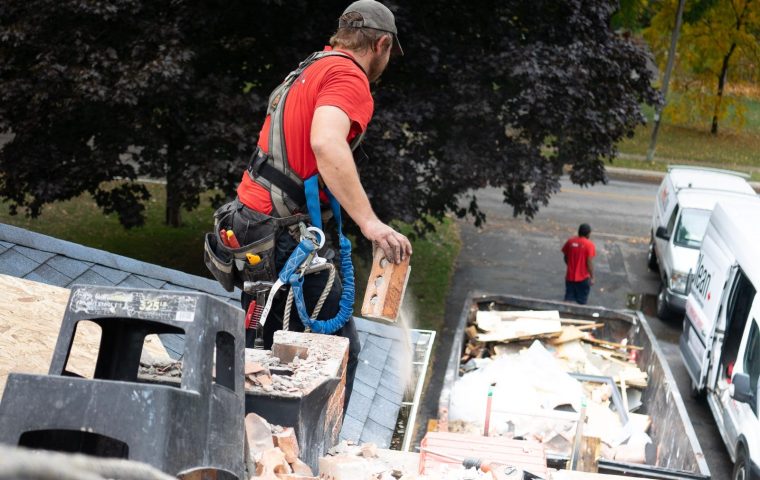
- Disposal and permits: dumpster fees plus a permit that often runs $150 to $500 depending on your town.
For a 1,800 square foot home you are usually covering 1,800 to 2,200 square feet of wall once you account for waste and gables. Keep that in mind when a number sounds low.
The cheapest bid almost always skips the boring stuff: new house wrap, proper flashing over windows, and back-flashing at the roof line. If a quote does not mention any of that, ask. Water gets in where the flashing is wrong, and no panel material on earth saves you from that.
Vinyl: the budget workhorse
Vinyl is the most common re-side I install, and for good reason. It is light, fast to hang, and forgiving. Installed cost typically runs roughly $4 to $9 per square foot, which puts a full house in the ballpark of $8,000 to $18,000.
Upkeep is close to nothing. A garden hose and an occasional wash keep it clean, and you never paint it. The color goes all the way through, so a scratch does not show bare material.
The honest downsides: cheaper panels can look thin and ripple in heat, and a hard freeze plus a stray baseball can crack a panel. Insulated vinyl runs higher, closer to $7 to $12 installed, but it stiffens the wall and helps a little with drafts.
Fiber cement: the long-haul pick
Fiber cement (you will hear the brand name Hardie thrown around like it is the only one) is a mix of cement, sand, and cellulose. It looks like painted wood from the street and shrugs off rot, fire, and most insects.
Installed cost is higher, usually around $8 to $15 per square foot, so a full home often lands between $14,000 and $30,000. The material is cheap-ish; the labor is what climbs. The boards are heavy, dull saw blades fast, and cutting them kicks up silica dust we have to control with the right blades and masks.
Buy fiber cement pre-finished with a factory color coat rather than primed. Field painting a primed board adds a paint bill now and a repaint bill in eight to twelve years. Factory finishes carry long warranties and save you a whole maintenance cycle.
Upkeep is low but not zero. Caulk joints need a look every few years, and even factory finishes eventually fade and want a repaint a couple of decades out. Done right, the board itself outlasts most roofs, which is the same logic I use when homeowners ask me whether to repair or fully replace a tired roof.
Wood: the looker that asks for attention
Real wood siding, cedar or redwood, has a warmth no synthetic fully copies. Cedar lap or shingle runs roughly $7 to $16 per square foot installed, and premium clear-grade or specialty profiles push well past that.
Wood is the high-maintenance partner. Plan on cleaning and re-staining or repainting every 3 to 7 years depending on sun and weather exposure. Skip that cycle and you get what I found on that ranch: paint failure, then rot, then carpentry bills.
It is also the most fire- and pest-vulnerable of the three. In a dry region or a wildfire zone, I steer people away from it or toward a treated product. When it is maintained, though, nothing else has that look.
Side by side: cost, lifespan, upkeep, risk
| Factor | Vinyl | Fiber Cement | Wood (Cedar) |
|---|---|---|---|
| Installed cost / sq ft | $4 - $9 | $8 - $15 | $7 - $16+ |
| Full home (est.) | $8k - $18k | $14k - $30k | $13k - $35k+ |
| Lifespan | 20 - 40 yrs | 30 - 50 yrs | 20 - 40 yrs (if maintained) |
| Upkeep | Wash only, never paint | Caulk checks, repaint ~20 yrs | Stain/paint every 3 - 7 yrs |
| Main risk | Cracks in cold, can look cheap | Heavy, labor-driven cost | Rot, fire, pests if neglected |
| Resale appeal | Modest | Strong | Strong if pristine |
What pushes your price up or down
Two houses the same size can come in thousands apart. A few things move the needle more than the material choice itself.
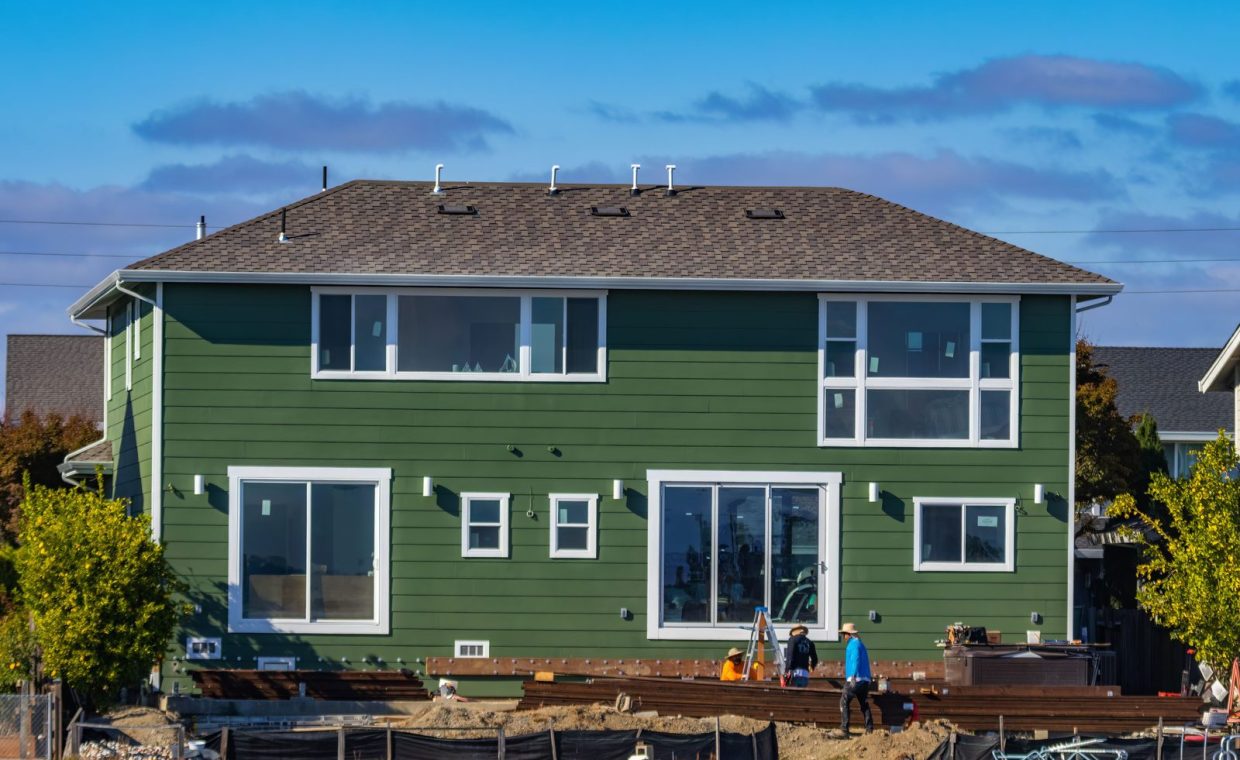
- House height: a two- or three-story home means scaffolding and slower work, which adds labor.
- Trim and detail: lots of windows, gables, and corners mean more cuts and more flashing.
- Rotten sheathing: the surprise that wrecks budgets. Replacing soft plywood under the old siding adds carpentry by the hour.
- Tear-off: hauling away old siding, especially two layers, adds disposal cost.
That last one is why I never trust a bid that has not seen the house. The same surprises hit when you budget for replacement windows: the unit price is the easy part, and the hidden rot around the opening is what blows the number.
Pairing new siding with old, leaky windows is a common mistake. If you are re-siding, that is the cheapest moment you will ever get to re-flash and reseal those openings while the wall is open. Coordinating the two jobs saves a second mobilization later.
So which one wins
For most homeowners on a normal budget who want to wash and forget, vinyl wins on dollars and effort. It is the safe, sane default and it is what I install most weeks.
If you plan to stay put and want the boards to outlive your mortgage, fiber cement is the value play once you stretch the cost over its life. Wood is for the homeowner who genuinely loves the look and will actually keep up the stain cycle, the same temperament it takes to maintain a quality wood fence (the tradeoffs there mirror what you see in our fence cost by material breakdown).
Tight budget and low effort: vinyl. Long-term ownership and curb appeal: fiber cement. Pure looks and you do not mind the upkeep: wood.
Can I put new siding right over the old siding?
Sometimes, but I usually advise against it. Going over the old layer hides rot, traps moisture, and skips a fresh house wrap. Tear-off costs more up front and almost always pays you back in a drier, longer-lasting wall.
Is fiber cement worth the extra money over vinyl?
If you are staying in the home long term, often yes. The board itself can outlast two vinyl jobs and reads as higher quality at resale. If you might sell in a few years, vinyl gets you a clean look for far less.
How long does a full re-side take?
A typical single-family home runs about one to two weeks with a normal crew. Fiber cement and wood take longer than vinyl because the panels are heavier and slower to cut and fasten.
If you only remember one thing, make it this: spend on the wall you cannot see. Good wrap, good flashing, and an honest tear-off matter more than the brand on the box. Get a couple of bids, ask each one to spell out the hidden work, and pick the crew that talks about water before they talk about color. That is the call that keeps your siding looking "fine" from the curb for the right reasons.