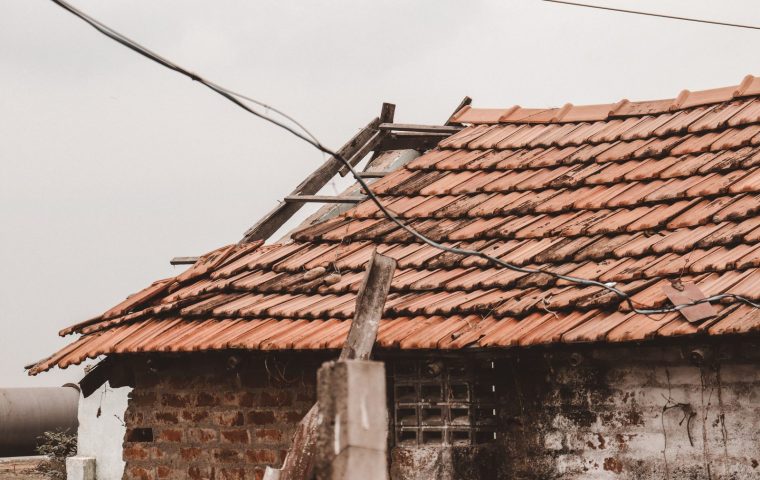

A hailstorm rolls through on a Tuesday afternoon. By Thursday, three trucks with out-of-state plates are creeping down the street, and a guy in a clean polo is knocking on doors telling everyone their roof is "totaled" and insurance will cover it all. I have watched this play out in dozens of neighborhoods, and the pattern almost never changes.
The roof is the single most expensive exterior system on most homes, and it is also the one almost nobody looks at closely. That combination makes it a magnet for people who would rather sell you fear than fix your shingles. A full tear-off and replacement on an average single-family home runs roughly $9,000 to $18,000, so the stakes are real money.
I have spent years on roofs, and I can tell you the honest crews and the predators often look identical from the curb. The difference shows up in how they handle your deposit, your paperwork, and your insurance claim. Here is how to tell them apart before you sign anything.
Recognize the storm-chaser playbook
Storm-chasers follow weather systems across the country. They show up days after a storm, work fast, collect deposits, and are gone before anyone notices the flashing was never sealed.
The tell is urgency. A legitimate roofer wants the job, but they are not going to insist you sign tonight or claim the "discount crew" leaves town tomorrow. Real shops have a schedule and a backlog; they do not panic-close.
Watch for the door-knock that starts with "I noticed damage on your roof from the street." From the street, with shingles, you usually cannot see what they claim to see. That line is a script, not an inspection.
If someone offers to "waive your deductible" or eat it for you, walk away. Deductible-eating is insurance fraud in most states, and a contractor willing to commit fraud on your behalf will cut corners on your roof too.
Never hand over a large deposit
The deposit scam is simple. They take 50 percent or more up front, maybe drop a pallet of shingles in your driveway as a prop, and then the work stalls forever. By the time you realize it, the company name has changed and the phone is dead.
A fair deposit on a residential roof is small, often nothing until materials are delivered, and rarely more than 10 to 20 percent. Reputable roofers have supplier credit lines; they do not need your cash to buy the bundles.
Structure your payments around milestones: a modest amount at material delivery, the bulk after tear-off and dry-in, and the final piece only after you have walked the finished job. Never pay the last chunk before the cleanup and your own inspection.
Pay by credit card or check, never cash. A paper trail gives you leverage with your card issuer and a real record if you ever need to dispute the charge or pursue a complaint.
Verify the license, insurance, and physical address
This is the boring step that saves people the most money, so do not skip it. Ask for the contractor's license number and look it up with your state board yourself. Do not trust a number printed on a flyer.
Then ask for two certificates: general liability and workers' compensation. Call the insurance agent listed and confirm the policy is active. If a worker gets hurt on an uninsured crew, that liability can land on you as the homeowner.
Finally, confirm a local physical address, not a PO box or a magnetic sign on a rented truck. A roofer who has been in your county for years has a yard, a number, and a reputation they cannot afford to torch.
What a real estimate looks like
A legitimate written estimate breaks the job into line items. You should see the cost of materials, labor, removal and disposal of the old roof, underlayment, flashing, and any permit fees spelled out separately.
- Tear-off and disposal: typically around $1,000 to $3,000 depending on layers and dump fees
- Materials (architectural asphalt shingles): roughly $4,500 to $9,000 for an average roof
- Labor: usually $3,000 to $7,000, the biggest variable
- Permit: commonly $150 to $500, pulled in your name or theirs
If an estimate is one round number with no breakdown, that is a problem. Vague pricing is how surprise "change orders" get bolted on once your old roof is already in the dumpster.
Get the scope in writing and pull a permit
The contract should name the shingle brand and product line, the underlayment type, the ice-and-water shield coverage, the number of layers being removed, and the warranty terms. "New roof" is not a scope; it is a wish.
Insist on a permit for a full replacement. I have heard the line "we can skip the permit and save you a few hundred bucks" more times than I can count, and it always benefits the contractor, not you. A pulled permit means an inspector lays eyes on the work, which is free quality control.
Skipping the permit can also bite you at resale or on a future claim. If you later have storm damage, an unpermitted roof can complicate the payout, which is exactly the kind of mess detailed in this storm roof insurance case study.
Handle the insurance claim on your terms
When real storm damage exists, you, not the contractor, drive the claim. File with your insurer and let their adjuster inspect before you commit to anyone. A contractor who insists on "handling the whole claim" so you "never deal with the insurance company" is collecting leverage, not doing you a favor.
It is fine to have your roofer present during the adjuster's visit to point out legitimate damage. It is not fine to let them inflate the claim or sign over your insurance benefits through an "assignment of benefits" form you do not understand.
Read anything labeled "assignment of benefits" or "direction to pay" twice. These can hand your claim, and control of the money, straight to the contractor. If you are not sure what you are signing, you are not ready to sign it.
Inspect the finished job before the final payment
Before you release that last check, walk the property. You do not need to climb up. From the ground and a window or two, you can catch a lot.
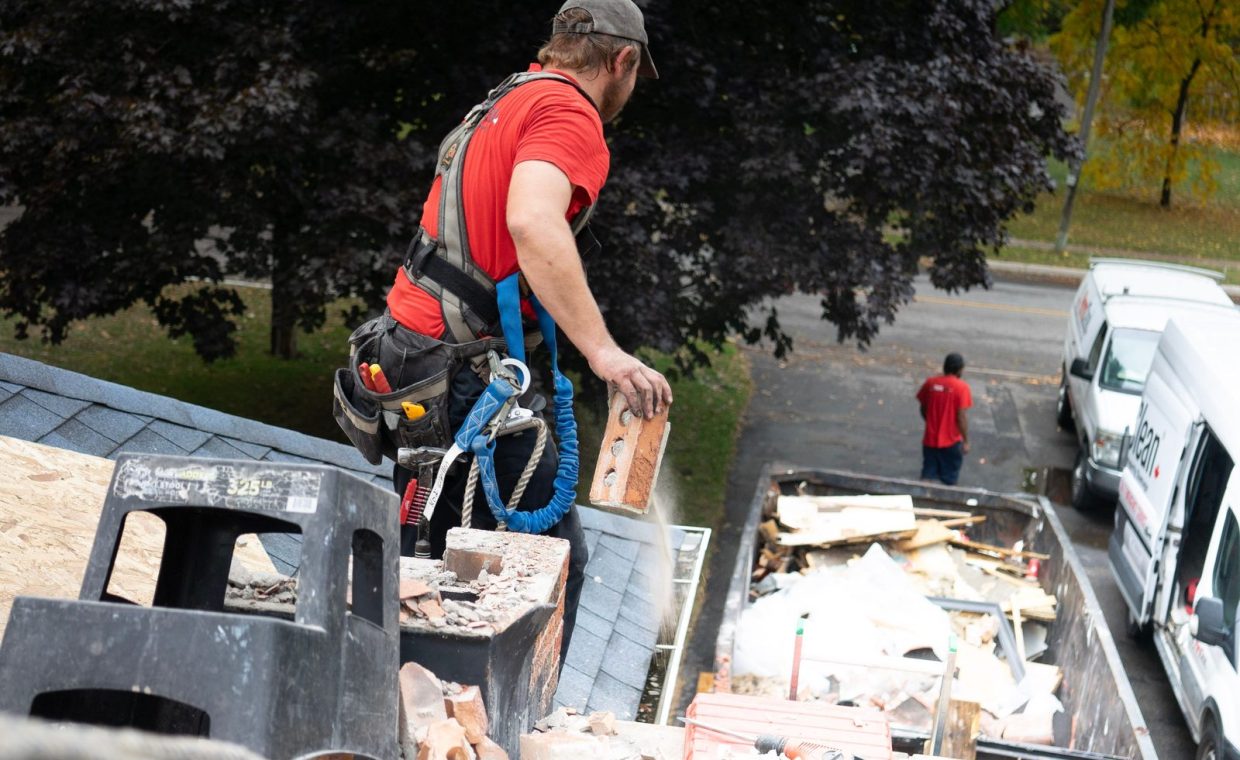
Look for straight, even shingle lines, clean flashing around the chimney and vents, and new pipe boots rather than reused cracked ones. Check the gutters and yard for nails; a magnetic sweep should have been part of cleanup. Confirm the dumpster and debris are gone.
Then get the manufacturer warranty registration and the workmanship warranty in writing. A solid roofer stands behind labor for years, and that paperwork is worthless if the company that issued it has already skipped town with your deposit.
Where roofing scams overlap with other exterior work
The same crews that chase roofs often pitch quick siding and hardscape "deals" while they are at it. If someone offers to "match" your roof job with cut-rate siding, price it against real numbers in this breakdown of stucco and brick siding cost before you bite.
Same goes for that surprise quote to "fix the slope" with a wall in the backyard. Compare it against an honest retaining wall cost estimate so you know whether the number is fair or padded.
How much deposit should I pay a roofer up front?
Aim for little to nothing until materials are delivered, and never more than 10 to 20 percent of the total. Established roofers have supplier credit and do not need a large cash deposit to start your job.
Is it really a scam if a roofer offers to cover my insurance deductible?
In most states, yes. Waiving or "eating" your deductible is a form of insurance fraud, and a contractor willing to do it is signaling they cut corners. Decline and find someone else.
Do I really need a permit for a roof replacement?
For a full tear-off and replacement, almost always. A permit (commonly $150 to $500) brings an independent inspector, which protects your work quality and keeps a future insurance claim or home sale clean.
I have met plenty of roofers I would trust with my own house, and the good ones never mind these questions. If anything, they respect a homeowner who does the homework. Slow down, verify the license, structure your payments around finished work, and keep control of your own insurance claim. Do that, and the storm-chaser's clean polo loses all its shine.