
A neighbor of mine paid $14,000 to rebuild a section of wall after a $40 tube of caulk would have stopped the leak that caused it. Water had been wicking behind the siding for two winters before anyone noticed the soft drywall inside. By the time a contractor opened the wall, the sheathing was black and the studs were spongy.
I called three suppliers and two remediation crews after that to understand how the math actually works on the outside of a house. The pattern was consistent: the cheapest repairs are the ones you make before water has anywhere to go. Once it gets behind the envelope, the bill stops being about the fix and starts being about everything the water touched on the way down.
Here are seven exterior repairs that punch far above their price. None of them are glamorous. All of them buy you years.
1. Reseal Failing Caulk Joints Around Windows and Trim
Caulk is the gasket of your house, and it has a shelf life. Cheap acrylic caulk starts cracking in three to five years, which opens a hairline channel right where the window frame meets the siding. That gap is exactly where wind-driven rain wants to go.
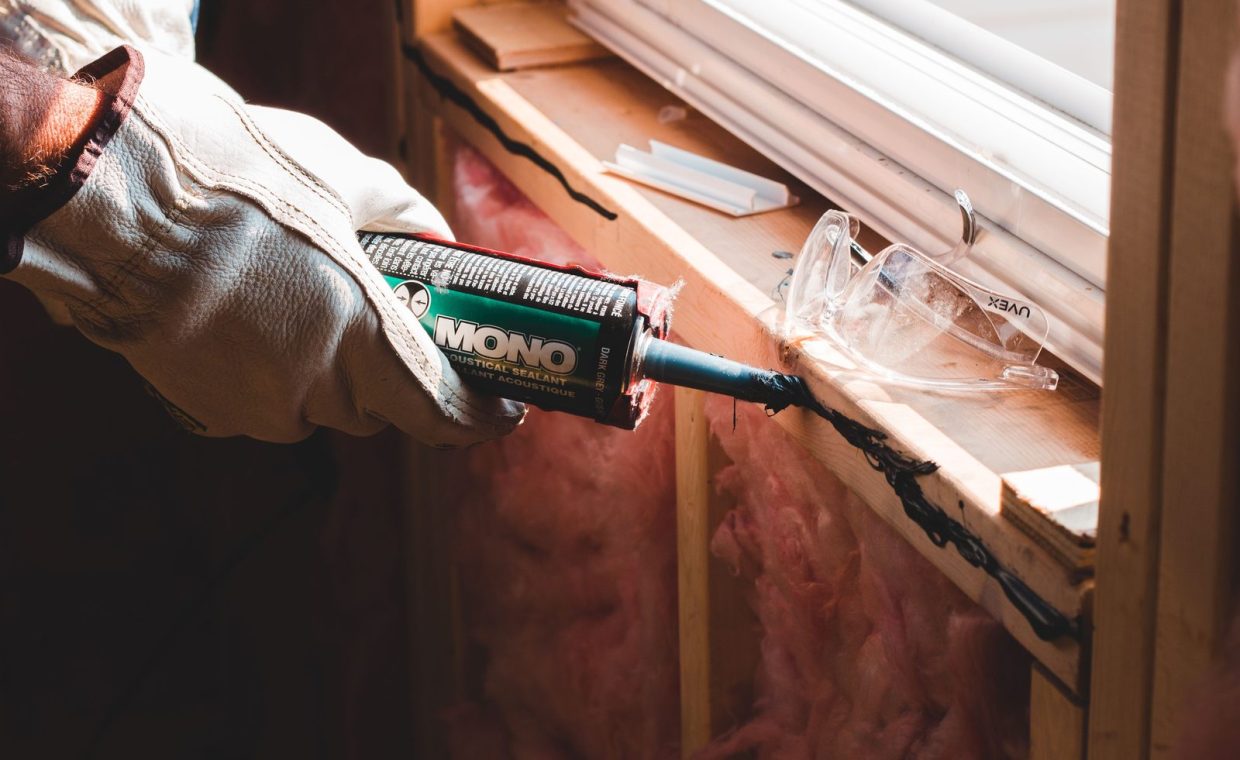
A pro reseal of the typical home's windows and trim runs roughly $400 to $900, mostly labor since the material is a few tubes of polyurethane or silicone at $8 to $14 each. If you do it yourself, you are looking at maybe $50 in caulk and a Saturday.
Buy the good caulk. A high-grade urethane or hybrid sealant lasts 15 to 20 years versus 3 to 5 for the bargain tube. The price difference is a couple of dollars per tube, and you are paying mostly for someone's time to apply it.
2. Clean and Repair Gutters Before They Overflow
Clogged gutters are the quiet villain of exterior damage. When water can't drain, it sheets over the edge and pours down the fascia, the soffit, and eventually the foundation. I have seen a $150 cleaning bill prevent a $6,000 fascia-and-soffit rebuild.
A standard gutter cleaning costs roughly $120 to $250 for a single-story home and $200 to $400 for two stories. Resealing leaky corner joints adds about $5 to $10 per joint in sealant. Replacing a sagging section with new hangers might run $100 to $300.
Twice a year is the rhythm I follow, once after the leaves drop and once in spring. If your gutters dump near the house, redirecting a downspout with a $15 extension is one of the highest-return repairs on this entire list.
3. Patch Cracks in Stucco and Masonry Early
Stucco and brick look bulletproof, but they breathe and crack with the seasons. A hairline crack lets water in, freezes, expands, and turns into a real fracture. On stucco especially, that trapped water rots the wood lath and sheathing behind the finish where you can't see it.
Sealing small cracks with elastomeric patch costs about $200 to $600 for a pro, or under $60 in materials for a confident DIYer. Letting it go means a section repair, and full stucco work is not cheap, so it pays to understand the real cost of stucco and brick siding before a small crack becomes a structural one.
A clean, light crack is usually cosmetic. A crack with rust staining, a dark damp halo, or hollow-sounding stucco around it means water has already gotten in. That one gets a contractor's eyes, not a tube of patch.
4. Replace or Reseal Roof Flashing
Most roof leaks aren't the shingles. They are the flashing, the metal that seals the joints around chimneys, vents, skylights, and valleys. Flashing fails long before the roof field does, and it is where I would put my money on an older home.
Resealing or replacing a single flashing point costs roughly $200 to $600 depending on access and whether it's a simple vent boot or a full chimney saddle. A cracked rubber vent boot, one of the most common leak sources, is often a $150 to $300 fix.
This is also the spot where shady operators love to upsell a full roof when a flashing repair would do. If a "free inspector" is pushing a five-figure replacement off a small stain, slow down and read up on how to avoid common roofing scams before you sign anything.
5. Touch Up Peeling Exterior Paint and Stain
Paint is not decoration on wood siding and trim. It is the waterproof coat. Once it peels or chalks, the wood underneath drinks moisture, swells, and starts to rot from the surface in.
Spot-priming and repainting bare wood trim runs roughly $1 to $3 per square foot for labor and materials in a small area. Catching it at the peel stage means a touch-up. Catching it after rot sets in means carpentry, which is where the number jumps.
Where the rot usually starts
South and west faces take the most sun and weather, so paint fails there first. Window sills, the bottoms of trim boards, and any horizontal surface that holds water are the spots I check every spring. A $30 quart of exterior primer goes a long way if you get there early.
6. Reseal the Deck and Re-Sort the Drainage Around It
A deck that has gone gray and fuzzy is telling you the sealer is gone. Unsealed boards soak up rain, cup, splinter, and rot at the fastener holes. Sealing or staining a typical deck costs roughly $2 to $5 per square foot, so a 300-square-foot deck lands somewhere around $600 to $1,500 for a pro, or a fraction of that as a weekend project plus $80 in stain.
The bigger issue is often what surrounds the deck. Soil graded toward the house, mulch piled against the siding, and beds that trap water all push moisture into the structure. Getting the grade and drainage right is part landscaping, part envelope protection, and a good guide to hiring a landscaper is worth reading before you let anyone reshape the dirt next to your foundation.
After a hard rain, walk the perimeter and look for standing water within three feet of the foundation. Water that sits is water that will eventually find a way in. Re-grading a problem corner with a few yards of soil often costs less than $500 and saves the basement.
7. Re-Caulk and Reseal Exterior Penetrations
Every place a pipe, wire, vent, or hose bib pokes through the wall is a hole that was sealed once and assumed to stay sealed. It doesn't. Dryer vents, AC line sets, cable entries, and outdoor faucets are classic slow-leak points.
Resealing these is genuinely cheap, often $100 to $250 if you hire it out as part of a maintenance visit, or basically free if you already own a caulk gun. The payoff is keeping water and pests out of the wall cavity, which is the most expensive place to discover a problem.
I walk my own house every fall with a flashlight and a tube of sealant. It takes an hour. The first year I did it I found four penetrations with cracked or missing caulk, any one of which could have fed water into the wall for months before I noticed a stain inside.
Notice that almost nothing here costs more than a few hundred dollars done early, and almost everything costs thousands done late. The expensive part is never the fix. It is the wood, insulation, and drywall the water ruins while you wait.
How often should I inspect the exterior of my house?
Twice a year is a sensible rhythm, once in spring and once in fall, plus a quick look after any major storm. A 30-minute walk around the perimeter with a flashlight catches most caulk, flashing, and drainage problems while they are still cheap to fix.
Which of these repairs can I safely do myself?
Caulking penetrations, sealing a deck, cleaning ground-floor gutters, and spot-painting trim are all reasonable DIY jobs. Roof flashing, anything on a tall ladder, and structural stucco cracks are worth paying a pro for, both for safety and because a bad repair there hides the problem instead of fixing it.
How do I know if water has already gotten behind the siding?
Look for soft or bubbling drywall inside, a musty smell, peeling paint that returns quickly, dark staining around cracks, or siding that feels spongy when you press it. Any of those means you are past the prevention stage and should get a contractor to open and inspect the area.
None of this is complicated work, and that is sort of the point. The homeowners who avoid the big bills aren't the ones with the fanciest houses. They are the ones who keep a caulk gun in the garage and actually walk the outside of the place a couple of times a year. Spend the afternoon now, or spend the $14,000 later.