
A homeowner called me last spring standing in her kitchen, pointing at a brown ring the size of a dinner plate spreading across the ceiling. The skylight above it was eight years old and, by every appearance, fine. The flashing underneath it was not.
That ceiling stain cost her about $2,800 to fix once we opened it up: rotted decking, wet insulation, and a new curb. The skylight itself had cost $1,900 years earlier. The sticker price of a skylight is only half the story, and often the smaller half.
Skylights are one of the few upgrades that genuinely change how a room feels. They also sit at the single most vulnerable spot on your house, a hole cut into the roof. Getting the money right means budgeting for the install and respecting the risk that comes with it.
What a Skylight Actually Costs in 2026
For a standard job, most homeowners spend somewhere between $1,500 and $4,500 per skylight, installed. That range is wide because it covers a lot of ground: the unit itself, the roof type, the ceiling depth, and whether you want a fixed pane or one that opens.
The skylight unit alone runs from around $200 for a basic fixed model up to $1,500 or more for a solar-powered venting unit with a blackout shade. Labor is where the number climbs, because cutting the roof, building a proper curb, flashing, and finishing the interior shaft is real work.
| Skylight type | Unit price | Installed total (typical) |
|---|---|---|
| Fixed (does not open) | $200-$700 | $1,500-$2,800 |
| Manual venting | $500-$1,100 | $2,200-$3,800 |
| Electric or solar venting | $900-$1,600 | $3,000-$4,800 |
| Tubular skylight (sun tunnel) | $250-$600 | $800-$1,800 |
Tubular skylights are the budget option. They funnel daylight through a reflective tube into a small ceiling diffuser, lighting a hallway or closet without the framing a full skylight needs. For dim interior rooms, they are often the smarter spend.
Why the Install Price Swings So Much
Two identical skylights can cost very different amounts to install, and the reason is almost always what sits between the roof and the ceiling. A skylight over a flat, open attic is straightforward. One that needs a long light shaft framed and drywalled down through an attic is a different job.
Roof pitch matters too. Steep roofs are slower and riskier to work on, and that shows up in labor. So does roofing material. Cutting into and reflashing an asphalt shingle roof is routine; doing the same on tile, slate, or metal takes specialized flashing and more time.
The light shaft is the sleeper cost. On a single-story home with a vaulted ceiling, the skylight sits right at the ceiling and the install is clean. On a two-story home, framing and finishing a shaft down through the attic can add $800-$2,000 on its own.
Then there is the ceiling repair inside. Drywall, tape, texture matching, and paint to blend the opening into the existing ceiling can add a few hundred dollars homeowners rarely picture when shopping unit prices.
The Leak Risk, Stated Plainly
I have replaced more leaking skylights than I have installed new ones, and I want to be honest about why. A skylight is a penetration through your roof's water barrier. Every seam, every piece of flashing, every fastener is a place water can eventually find its way in.
A well-installed skylight with quality flashing will stay dry for the life of the roof. A rushed one, or one flashed with caulk instead of proper step and head flashing, will leak. The failure is rarely the glass. It is almost always the flashing or the sealant around it aging out.
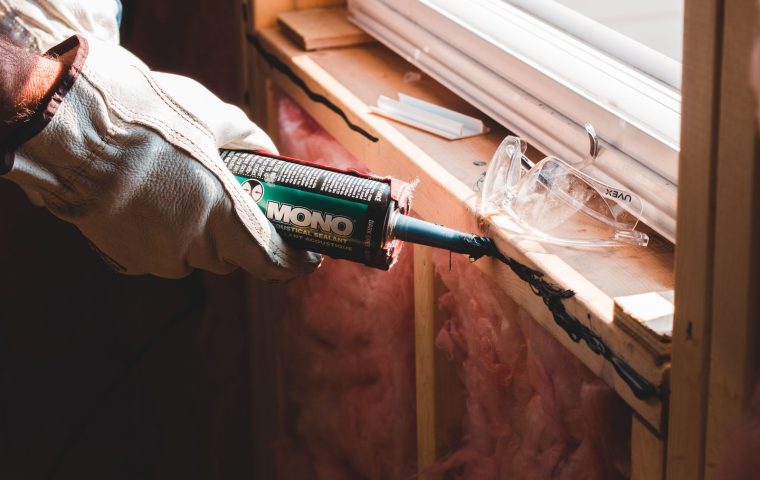
Be cautious of any installer who relies on a thick bead of roofing sealant instead of a real flashing kit. Sealant is a supplement, not a system. When someone quotes suspiciously low, this corner is often the one being cut, and you will pay for it in five to ten years.
This is also why I tell people to think of a skylight as part of the roof, not the ceiling. When you weigh a skylight, you are weighing your whole roofing plan. If you are already looking at whether to repair or replace your roof, that decision should drive the skylight timing, not the other way around.
Timing a Skylight With Your Roof
The single best money move with skylights is installing them when the roof is already open. If you are getting a new roof, that is the moment to add or replace skylights, because the crew is already up there and the flashing gets integrated into fresh roofing.
Putting a new skylight into an old roof is possible, but you are marrying a new component to aging shingles. The flashing seal is only as reliable as the material around it. Cut a hole in a roof with five years left and you have bought yourself a reflashing job in five years.
My rule of thumb: if your roof has more than about 12 years of life left, a standalone skylight install is reasonable. If it has fewer than 8, wait and bundle it with the reroof. You will save on labor and get a far more durable seal.
The same logic applies to keeping water out generally. Skylights should be on your list of exterior preventive repairs to inspect each year, because flashing and seals age quietly until the day they do not.
Skylight or a Bigger Window?
Sometimes the real goal is more light and more air, and a skylight is not the only way to get there. A larger wall window or a new window in a dim room can deliver similar light with none of the roof-penetration risk.
The tradeoff is direction and quantity of light. Skylights pull in overhead daylight that walls cannot reach, and they brighten a room far more per square foot of glass. But if a wall window is an option, it is worth pricing. Compare a skylight against window replacement cost before you commit, because the answer depends on your room, not a rule.
Quick gut check: Want dramatic overhead light and a view of the sky? Skylight. Want light and ventilation with the lowest long-term risk? Look hard at a wall window first. Want cheap daylight in a small dark room? Tubular skylight.
How to Avoid Overpaying
Get at least three quotes, and make sure each spells out the flashing kit, the unit model, and the interior finish work separately. A single lump sum hides the details that determine whether you get a dry skylight or a future stain.
Ask specifically about flashing. A good installer will name the flashing kit that matches your roofing and will not flinch at the question. Ask about the warranty on both unit and labor, and get leak coverage in writing.
Be wary of the lowest bid by a wide margin. In skylights, the cheap quote usually means thinner flashing, faster work, and more caulk. That is not a bargain. That is a deferred repair with interest.
How long does a skylight last before it needs replacing?
The unit itself often lasts 20-30 years, but the seals and flashing typically show wear around the 15-year mark. Most leaks are a flashing or seal issue, not a broken pane, which is why timing replacement with a reroof makes sense.
Do skylights really leak as often as people say?
A properly flashed skylight rarely leaks. The reputation comes from cheap installs that relied on sealant instead of proper flashing, and from old units left in place through a roof's decline. Good install plus good timing solves most of it.
Is a solar-powered venting skylight worth the extra cost?
For a bathroom or kitchen where you want ventilation, often yes. They open and close on their own, close automatically in rain, and the solar version may qualify for a federal tax credit that offsets part of the premium. Price it both ways before deciding.
A skylight can be one of the most rewarding things you add to a home, or one of the most frustrating, and the difference is almost never the fixture. It is the flashing, the timing, and the honesty of the crew that installs it. Spend your attention there, budget for the shaft and ceiling work, and let your roof's remaining life set the schedule. Do that, and the only thing coming through the glass is daylight.