
I pulled up to a listing last spring where the seller had dumped twelve grand into a kitchen backsplash, then left a sagging gutter and a chalky front door to greet every buyer who walked up the path. The agent kept telling me the inside showed beautifully. Nobody was getting inside. They were standing on a cracked walkway looking at a tired house and deciding, in about eight seconds, what they thought it was worth.
That is the thing about the outside of a home. It sets the price expectation before anyone touches a doorknob. As a tradesman, I see the parts most homeowners never look at closely: the flashing behind the trim, the rot under the threshold, the fascia the gutters hang on. Some of it costs almost nothing to fix and pays you back loudly. Some of it eats five figures and barely registers from the curb.
Here are nine exterior upgrades, ranked roughly from cheapest to priciest, with what they actually cost and whether the money shows.
1. A Fresh Coat on the Front Door
This is the highest-impact dollar you will spend on the whole house. A quart of quality exterior enamel runs about $25 to $50, and a fresh set of hardware (handle set plus deadbolt) lands around $80 to $250 for something that does not look builder-grade.
If you hire it out, expect roughly $150 to $400 in labor for prep, two coats, and rehanging hardware. The trick most people skip is degreasing and sanding the old finish first. I have watched glossy new paint peel off a south-facing door in one summer because someone rolled it straight over chalky oil paint.
Paint the door off its hinges on a couple of sawhorses if you can. You get a smoother finish, no drips, and you can hit the top and bottom edges where water actually gets in.
2. House Numbers, a Mailbox, and a Light Fixture
Small metal, big read. Swapping faded plastic numbers for clean brushed or matte-black ones costs about $15 to $60. A solid wall-mount mailbox runs $40 to $150, and an updated entry sconce or porch light is typically around $40 to $200 plus an hour of an electrician's time if you are not comfortable in a junction box.
Done together, this is a Saturday and maybe $200 to $400 in parts. It reads as "someone cares about this house," which is exactly the signal you want a buyer forming on the walk up.
3. Pressure Washing the Whole Exterior
Dirt reads as age. Siding, walkways, the driveway, and a north-facing roof all collect grime and green growth that make a sound house look neglected. A rental washer is about $50 to $100 a day; hiring a pro to do the house, drive, and walks usually runs $250 to $600 depending on square footage and stories.
One word of caution from someone who has fixed the aftermath: keep the wand off your siding seams and never blast up under lap siding or shingles. High pressure drives water behind everything and you trade a clean wall for a wet one. Lower pressure and a longer dwell time beats brute force every time.
4. Repaint or Refresh the Trim
You do not always need to repaint the whole house. Fresh trim, fascia, and shutters against existing body color does most of the visual work for a fraction of the cost. Materials for a typical home run $100 to $300; a painter handling just the trim and accents is usually around $800 to $2,000.
A full exterior repaint is a different animal. For an average two-story, plan on roughly $4,000 to $10,000 depending on prep, siding condition, and how many colors. Bad prep is where this goes wrong. If the old paint is failing, paying for scraping and priming is not optional, it is the whole job.
5. New Gutters and Clean Downspouts
Gutters are not glamorous, but a rusted, sagging run drags down an otherwise sharp facade and signals deferred maintenance to anyone paying attention. Seamless aluminum gutters typically run about $7 to $13 per linear foot installed, so a common home lands somewhere around $1,200 to $2,500.
What buyers do not see, but inspectors do, is what failing gutters do to the rest of the house. I have torn off fascia that turned to compost because water sheeted behind it for years. If yours are past saving, the real math is in our breakdown of what gutter replacement actually costs, including the fascia repair that often hides behind the old run.
Gutters protect the fascia, the foundation, and the basement. A $2,000 gutter job can prevent a $20,000 grading-and-waterproofing problem. From the curb it is invisible. On an inspection report it is a red flag that kills negotiating leverage.
6. Landscaping and a Defined Bed Edge
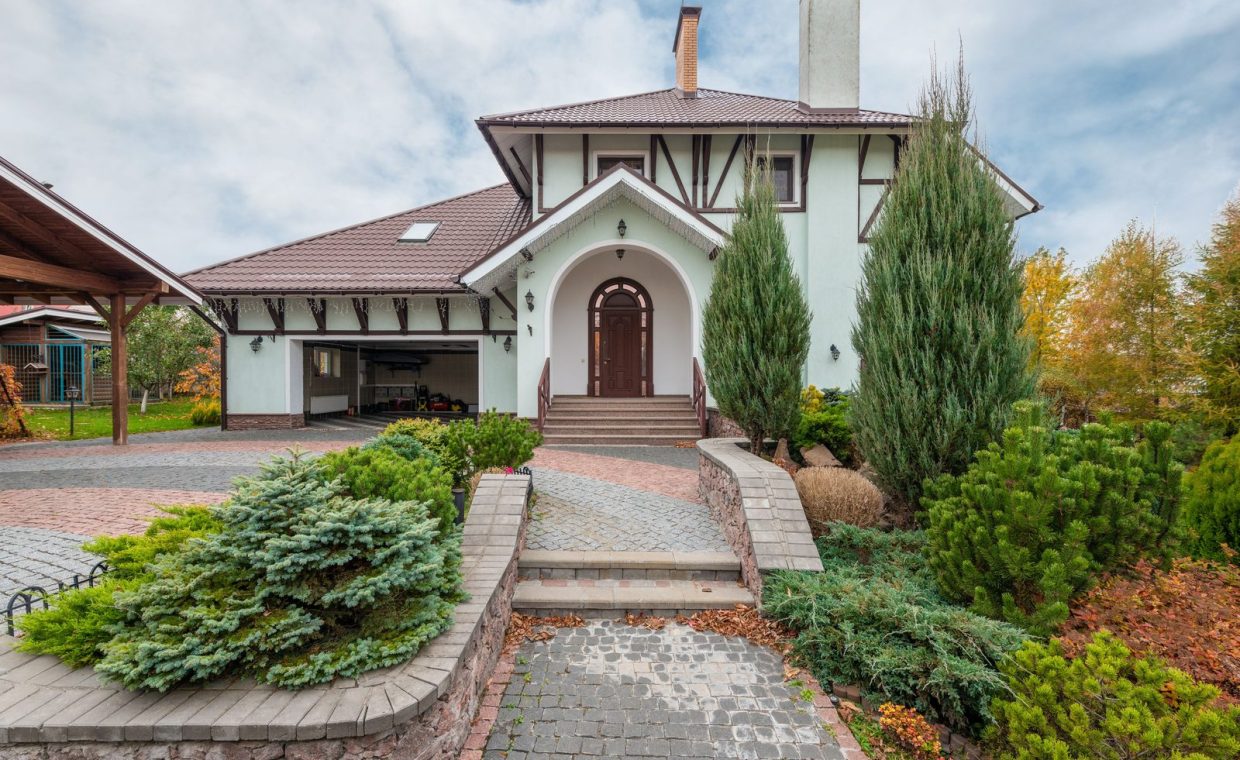
Greenery is the cheapest way to make a house look loved, and it photographs well, which matters for the listing. A weekend of mulch, a few shrubs, and crisp bed edges might run $300 to $1,500 in materials. Bring in a crew for fresh beds, plantings, and cleanup and you are typically looking at $1,500 to $5,000.
Not all of it pays back equally, though. Mature trees and tidy lawns return well; fussy, high-maintenance gardens can actually scare off buyers who see weekend chores. If you are deciding where to plant your money, our piece on landscaping projects ranked by return sorts the showy from the worthwhile.
The cheap edge trick
A clean spade-cut edge between lawn and mulch bed costs nothing but an afternoon and makes amateur planting look professional. It is the landscaping equivalent of tucking in your shirt.
7. Replace the Garage Door
On a lot of homes the garage door is the single biggest face the street sees, sometimes a third of the front elevation. A dated, dented panel drags the whole house down. A new insulated steel door installed typically runs about $1,000 to $3,500, with carriage-style and wood-look options pushing toward $4,000 and up.
This is one of the better-returning upgrades in the whole exterior category, partly because the before-and-after is so dramatic. Add a quiet belt-drive opener for another $300 to $600 installed if the old one grinds like a cement mixer.
8. A New Front Entry Door
If a fresh coat of paint cannot save your door, because the slab is warped, the threshold is rotted, or daylight shows around the frame, replacement is the move. A solid prehung steel or fiberglass entry door installed typically runs about $1,200 to $3,500, with fancier glass, sidelights, and fiberglass woodgrain climbing toward $5,000 or more.
The cost mover here is whether it is a simple swap or a frame-out. If the rough opening is rotted or out of square, the carpentry adds hours fast. I always pull the interior trim and check the king studs before quoting, because a "just swap the door" job can turn into framing repair the second you see what the water did. The full range, including storm doors and sidelight options, is laid out in our entry door replacement cost guide.
9. New Siding
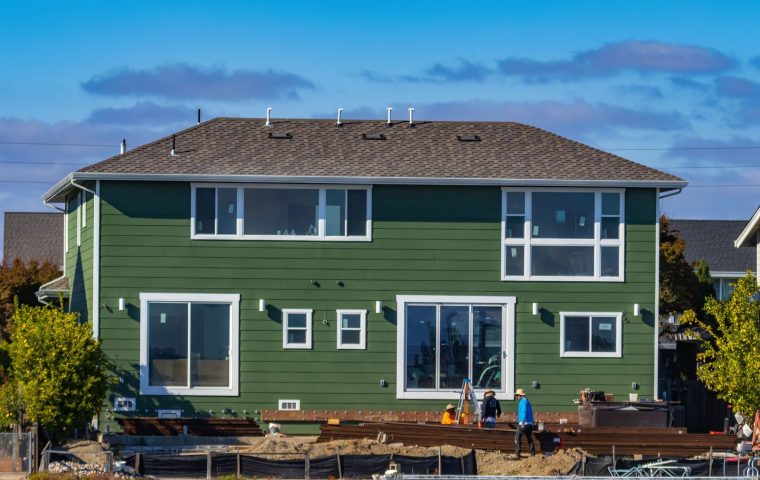
This is the heavyweight, the upgrade that transforms a house and empties a budget. Vinyl siding on an average home typically runs about $8,000 to $16,000 installed. Fiber cement, the stuff I steer most clients toward for durability, usually lands around $12,000 to $25,000, and full wood or engineered wood can run higher still.
The line items that swing the number are tear-off and disposal of the old siding, any sheathing or house-wrap repair underneath, and the linear feet of trim and corner detail. Surprises live behind old siding. Budget a contingency of 10 to 15 percent, because once the wall is open, whatever rot or pest damage is hiding back there becomes your problem that day.
A weather-resistive barrier and proper flashing behind new siding is what keeps the wall dry for the next thirty years. Some bargain crews slap new siding over questionable wrap to hit a price. You will not see it. The wall will rot anyway. Pay for the part nobody admires.
Ranking the Spend Against the Payoff
If your budget is tight, work from the top of this list down. Paint, hardware, washing, and clean beds give you the biggest visual jump per dollar, and you can knock most of them out in a couple of weekends.
The middle of the list, gutters and garage doors, is where you fix the things that quietly tell buyers a house has been neglected. The bottom, doors and siding, is where you spend real money, and you only go there when the old material is genuinely failing or you are chasing a specific look. Match the spend to whether you are selling next month or planning to enjoy the place for another decade.
Which curb-appeal upgrade gives the best return for the money?
A fresh front door (paint and hardware) and a thorough pressure wash give the highest visual payoff per dollar, often a few hundred dollars total. A new garage door and tidy landscaping rank near the top among the larger projects.
How much should I budget to refresh the whole exterior on a modest house?
For cosmetic-only work (door, hardware, washing, trim paint, mulch, lighting) plan on roughly $1,500 to $4,000. If gutters, a garage door, or siding are involved, the number can climb past $20,000 depending on what is failing underneath.
Do these upgrades actually raise the sale price or just help it sell faster?
Both, but unevenly. Cheap cosmetic fixes mostly speed the sale and protect your asking price by removing buyer objections. Larger jobs like siding and doors recover part of their cost and, more importantly, stop inspection findings from becoming negotiating ammunition against you.
Stand at the curb the way a buyer will, phone camera up, and be honest about the first three things your eye lands on. Fix those, in roughly the order above, and stop when the budget runs out. Most homes do not need all nine, they need the right three done well, and the discipline to leave the rest alone.