
I sat at a homeowner's kitchen table last spring while three window quotes fanned out across the placemat. Same house, same ten openings, and the numbers ran from $5,800 to $14,200. Nobody was lying. They were just selling different frames, different glass, and two very different ways of getting the old windows out.
That spread is the whole story of window pricing. A "window" sounds like one thing you buy, but the price is really a stack of choices, and most of those choices happen before anyone climbs a ladder. Once you can name the layers, the quotes stop feeling like a guessing game.
So let's take the price apart, one piece at a time. I'll define each driver, show a real number, and call out the myth I hear most often about it.
The Frame Material Sets the Floor
The frame is the part you actually pay for first. Before glass or labor enters the math, the material wrapped around the glass decides roughly which price tier you are shopping in.
Vinyl is the volume leader, usually around $400 to $800 per window installed for a standard double-hung. Fiberglass and composite run higher, often $700 to $1,200, because the material is stiffer and holds paint and large openings better. Wood and aluminum-clad wood sit at the top, frequently $1,000 to $2,500 per window, and that is before you get fancy with sizes.
"Installed price" means the window plus labor to remove the old one and seal the new one. A sticker price at the home center is just the unit, sometimes half the real cost.
The myth: "Vinyl is cheap, so it must be junk." Not anymore. A mid-grade vinyl window from a reputable line will outlast a builder-grade wood window that nobody ever painted. The frame material affects look and longevity, but a good install matters more than the badge on the frame.
Glass Packages Are Where the Quote Quietly Climbs
Here is where two quotes for "the same window" diverge. Glass is sold in packages, and the salesperson rarely walks you through them line by line unless you ask.
A single pane is essentially extinct in new windows. The baseline today is double-pane with a low-emissivity coating and argon gas between the panes, which is the package most quotes assume. Bumping to triple-pane glass typically adds $100 to $300 per window, and it earns its keep in cold climates or noisy streets, less so in mild ones.
What the upgrades actually buy
- Low-E coating: a microscopic metal layer that reflects heat. Standard on almost everything now, but there are tiers (one, two, or three coatings) and they are not priced the same.
- Argon or krypton fill: inert gas that slows heat transfer, usually $15 to $40 per window. Cheap insurance.
- Tempered or laminated glass: required by code near doors, stairs, and floors, and it adds $50 to $150 per opening whether you wanted it or not.
The myth: "Triple-pane always pays for itself." In a Minnesota winter, maybe. In Atlanta, the energy savings can take longer to recover than the windows last. Match the glass to your climate, not to the brochure.
Install Method: Insert vs Full-Frame
This is the line item that explains my kitchen-table spread, and it is the one homeowners understand least. There are two fundamentally different ways to replace a window, and they are not interchangeable.
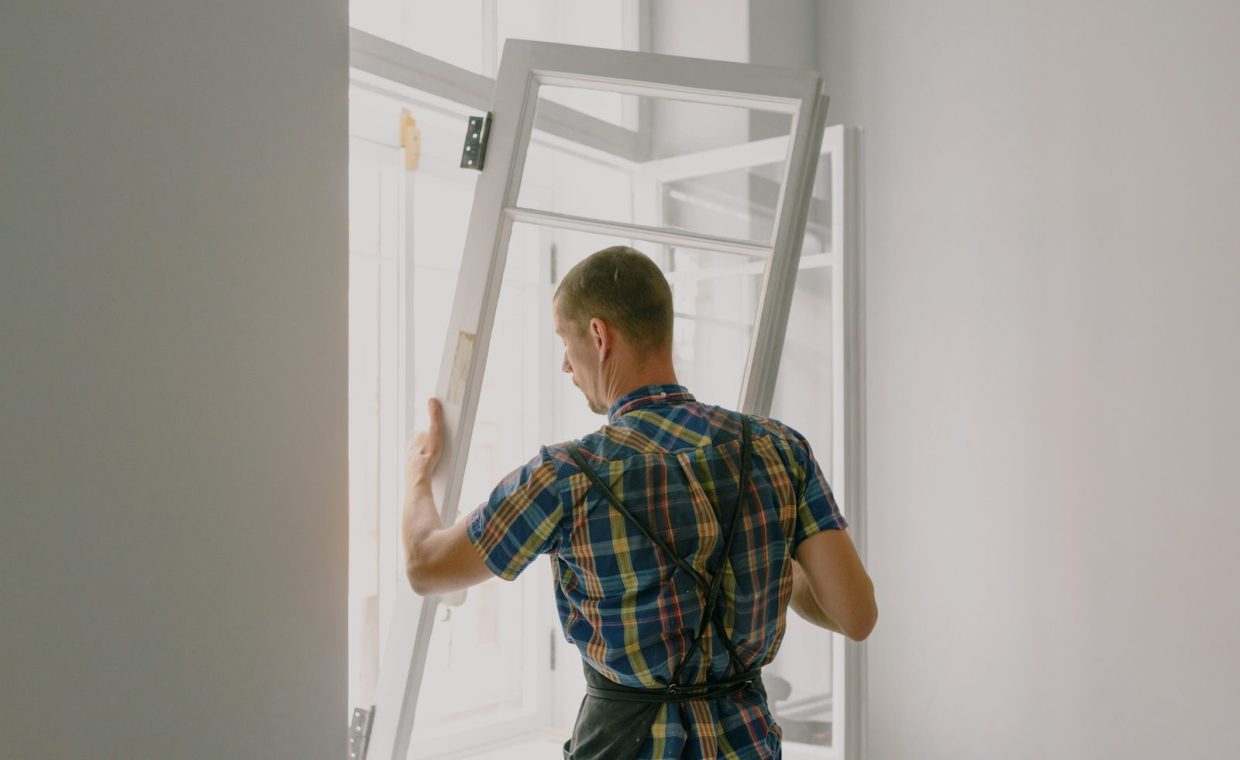
An insert (also called a pocket replacement) drops a new window into the existing frame. The trim and siding stay put. It is faster, cleaner, and cheaper, often $100 to $300 less labor per window, because nobody is opening up your wall.
A full-frame replacement tears out the old window down to the rough opening, including the frame and sometimes the trim. You do this when the old frame is rotted, when you are changing the window size, or when you want a true fresh seal. It costs more in labor and materials, but it is the honest fix for a window that is failing at the edges.
Ask which method each quote assumes. A suspiciously low bid is often an insert priced against a competitor's full-frame job. They are not the same product, and the cheap one may be hiding rot you will pay for later.
A Realistic Cost Breakdown
Numbers in isolation lie, so here is how a single mid-range window quote tends to split. This is for one standard double-hung vinyl insert, installed, in a typical US market.
| Line item | Budget tier | Mid tier | Premium tier |
|---|---|---|---|
| Window unit (frame + glass) | $250 - $400 | $450 - $700 | $900 - $1,800 |
| Labor (per window) | $100 - $200 | $200 - $350 | $350 - $600 |
| Disposal + sealing materials | $30 - $60 | $50 - $90 | $80 - $150 |
| Permit (if required, prorated) | $0 - $50 | $25 - $75 | $50 - $150 |
| Installed total, per window | $380 - $710 | $725 - $1,215 | $1,380 - $2,700 |
Multiply by ten openings and the budget-versus-premium gap becomes the difference between a used car and a kitchen remodel. The frame and glass tier you pick is the lever that moves the most money.
The Hidden Costs That Surprise People
The base price is the part you can shop. These are the extras that show up after the crew gets a real look at the opening, so it pays to ask about them up front.
- Rot and repair: if they open a full-frame job and find soft sills, expect $100 to $400 per window to rebuild the opening. This is the same logic as deciding whether to repair or replace a roof, you fix the structure before you finish the surface.
- Custom sizes and shapes: arched, bay, or bow windows can run two to four times a standard rectangle. Non-standard sizes mean a custom order, not a shelf unit.
- Exterior finishing: new windows often expose tired trim. Many homeowners end up budgeting for exterior painting in the same season, because fresh glass next to peeling casing looks worse than leaving both alone.
- Second-story access: upper-floor windows that need scaffolding or a lift add labor, sometimes 15 to 25 percent on those specific openings.
Some in-home sales reps quote a great per-window price, then fold a high-interest financing plan into the deal. A fair installer will give you the cash price plainly. If the discount only exists "if you sign tonight," that is a sales tactic, not a deal.
How to Get a Fair Quote
I always tell homeowners to make the quotes comparable before they compare them. The trick is forcing every bidder onto the same spec sheet.
Specify the frame material, the glass package, and the install method in writing, then ask each company to price that exact scope. Now the numbers mean something. You are comparing the same window three ways instead of three different windows.
And like any outdoor project, timing helps. Off-season quotes (late fall, deep winter) often come in lower because crews are hungry for work, the same seasonal pricing dynamic you see when you compare a paver patio against a poured concrete one. Slow months mean sharper pencils.
Frame material sets your tier. Glass package fine-tunes comfort and cost. Install method (insert vs full-frame) explains most of the price gap between two quotes for "the same" window. Lock all three before you compare.
Is it cheaper to replace all my windows at once?
Usually yes, per window. Crews price in setup, disposal, and travel, so a ten-window job carries lower per-unit labor than replacing two at a time. If budget forces a phased approach, group windows by wall or floor so the crew works one area efficiently.
Do new windows really lower my energy bill?
They help, but the savings are modest, often $100 to $300 a year for a full house, not a dramatic drop. The bigger wins are comfort (no cold drafts) and not paying to heat the outdoors. Buy windows for comfort and condition first, and treat the energy savings as a slow bonus.
Why is one quote half the price of another?
Almost always because they are not quoting the same thing. One is likely an insert with a builder-grade vinyl unit, the other a full-frame replacement with a premium glass package. Get both to spec the frame, glass, and method, and the gap usually shrinks to something reasonable.
Windows are one of those purchases where the smart money goes to the person who asks the most boring questions. Pin down the frame, the glass, and the install method, get three quotes on the same scope, and you will spot the fair deal without needing to be an expert. I have watched plenty of homeowners save four figures just by making the salespeople answer one more question.