
The hail came through on a Tuesday afternoon, the kind that sounds like someone dumping a bucket of marbles on the roof. By the next morning a homeowner I'll call Dana was standing in her driveway holding a fistful of asphalt granules she'd swept off the back patio. Those little black grains are the protective coating on the shingles, and finding a pile of them in the gutters is usually the first sign the roof took a beating.
I get called out to a lot of these after a big storm rolls through. Most homeowners assume the insurance company will just cut a check, and most have no idea what the actual repair costs, what the policy covers, or how the inspection works. Dana's claim ran from that hail-soaked Tuesday to a finished roof about seven weeks later, and the total came to roughly $14,800 before her deductible.
I want to walk through her project the way it actually happened, with the real-feeling numbers attached, because the gap between what people expect and what storm work involves is wide. The mechanical side, the part you never see from the curb, is where most of the money goes.
The first look: what damage actually qualifies
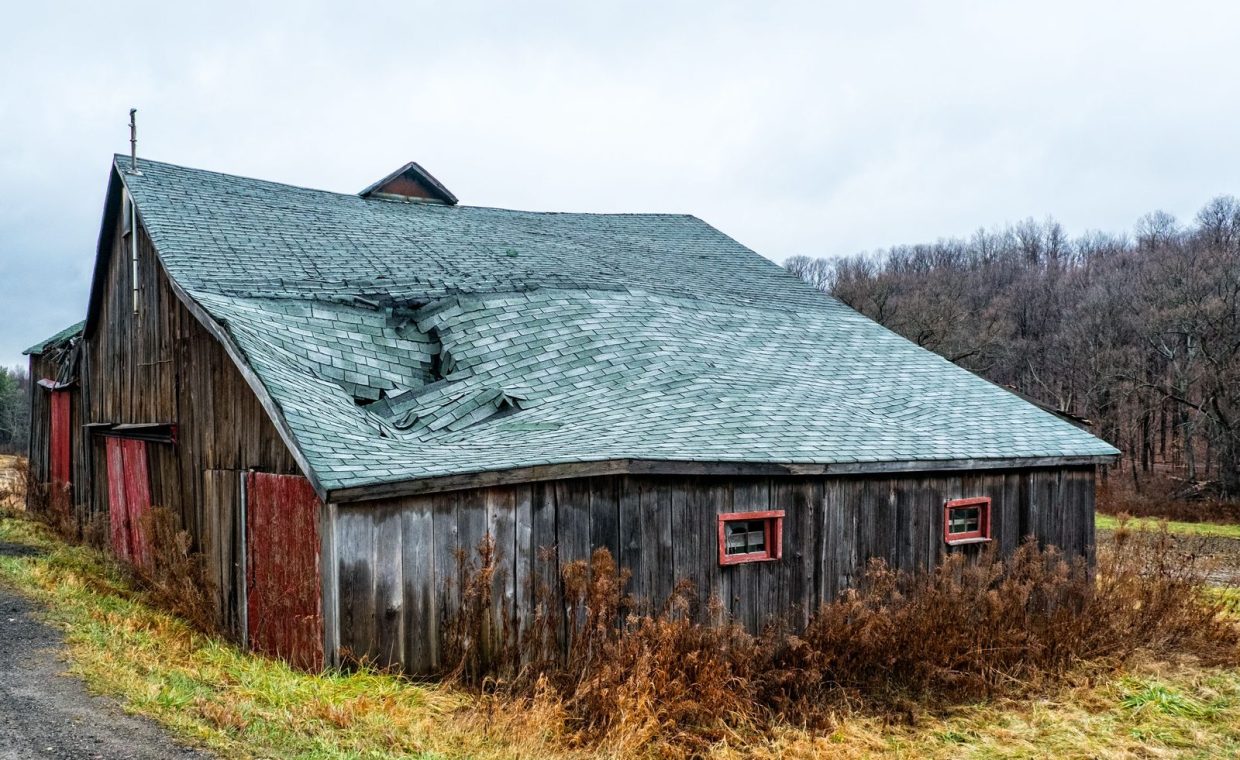
When I climbed up, the south and west slopes were peppered with hail bruises. A bruise is a soft, dark spot where the impact knocked granules loose and dented the mat underneath. You feel it through your boot before you see it, a little give in the shingle that shouldn't be there.
Not all damage counts, and that surprises people. Cosmetic scuffs from a tree branch usually get denied. Storm damage that compromises the shingle's ability to shed water is what an adjuster is looking for, and a clear date of loss tied to a documented weather event makes the claim far easier to approve.
Take wide photos and close-ups the day you notice damage, and date them. Note the storm date. If you tarp a leak, photograph it first. Adjusters approve claims they can verify, and your phone is the cheapest evidence you'll ever gather.
I marked the hits with chalk circles so the adjuster could find them fast. On Dana's roof I counted well over the threshold most carriers use, which is typically eight to ten bruises within a ten-foot-by-ten-foot test square. That density is what tips a claim from "patch it" to "replace the slope," and often the whole roof.
Filing the claim and the adjuster visit
Dana called her carrier the same week, which matters because policies often have a window for storm claims. The insurer scheduled an adjuster, and I asked to be on the roof at the same time. Having the contractor and adjuster up there together cuts down on disputes later.
The adjuster ran his own test squares, agreed the south and west slopes were compromised, and because the shingles were discontinued, he approved a full replacement. That last detail is a quiet money-saver for homeowners. When a matching shingle no longer exists, many carriers cover replacing the entire roof rather than mismatching two slopes.
Repair cost versus replacement cost
Dana's policy paid replacement cost value, not actual cash value. The difference is large. Actual cash value subtracts depreciation for the age of the roof, so a fifteen-year-old roof might only get you a fraction of the rebuild cost. Replacement cost pays the depreciation back once the work is done and you submit the final invoice.
Find out whether you carry RCV (replacement cost value) or ACV (actual cash value), and what your wind/hail deductible is. Some policies set a separate, percentage-based deductible for storm claims, often 1 to 2 percent of the home's insured value, which can be far higher than your standard deductible.
Itemized cost of the job
Here is roughly how Dana's replacement broke down on a single-story home with about 24 squares of roof (a square is 100 square feet). Your numbers will shift with pitch, region, and material, but these are honest market ranges for a mid-grade architectural shingle roof.
| Line item | Detail | Cost (USD) |
|---|---|---|
| Tear-off and disposal | Strip old shingles, dumpster, haul-away | $1,400 - $2,000 |
| Architectural shingles | 24 squares, mid-grade, 30-year | $3,400 - $4,200 |
| Underlayment and ice/water shield | Synthetic felt plus eaves and valleys | $600 - $900 |
| Decking repair | Replaced 4 sheets of rotted plywood | $480 - $700 |
| Flashing and drip edge | Step, valley, chimney, new drip edge | $700 - $1,100 |
| Ridge vent and boots | New ridge venting, pipe boots | $400 - $650 |
| Labor | Crew, 2 days, installation | $4,500 - $5,800 |
| Permit | City roofing permit | $150 - $400 |
| Total | Full replacement | $11,600 - $15,750 |
Dana landed near $14,800. The decking repair was the surprise line. You never know how much rotted plywood is under there until the old shingles come off, and storm work has a way of exposing problems that were hiding for years.
The work most homeowners never watch
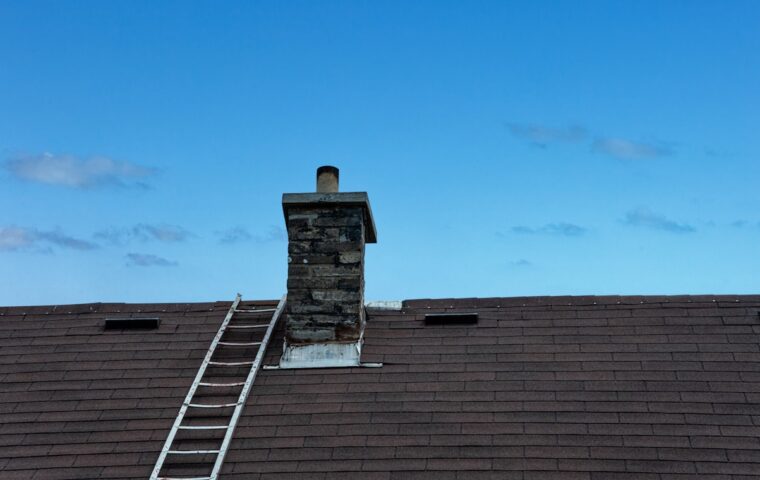
Once the old roof was off, we found two soft spots near a valley where water had been sneaking past failed flashing long before the hail ever hit. Flashing is the metal that seals the seams around chimneys, valleys, and walls, and when it fails, water travels. The same logic applies lower on the house, which is why I always tell people to keep an eye on their fascia and soffit condition, since rot up top often shows itself at the eaves first.
We also caught staining on the wall sheathing where the roofline met the second-story siding. That kind of intrusion is exactly the slow leak that leads to the siding water damage mistakes I see homeowners make when they paint over a problem instead of tracing it back to the source. We sealed the wall flashing properly before the new shingles went down.
After a big hailstorm, crews flood the neighborhood offering to "handle your whole claim" and waive your deductible. Waiving a deductible is insurance fraud in most states, and it tells you everything about how they cut corners. Hire a licensed, insured local roofer who'll still answer the phone next spring.
The payout and the second check
Insurance on an RCV policy usually arrives in two pieces. The first check covers the actual cash value, the approved amount minus depreciation and minus your deductible. You use that to fund the work.
Once the job is finished and you send the carrier the final invoice and photos, they release the recoverable depreciation, which is the second check. Skip that paperwork and you leave real money on the table. Dana's recoverable depreciation came to about $2,900, and plenty of homeowners forget to claim it.
What moved her price up and down
- Up: hidden decking rot, two-story wall flashing, and a steep enough pitch to need extra fall protection.
- Down: a simple gable roof with few penetrations, an accessible driveway for the dumpster, and a single-layer tear-off instead of stripping two old roofs.
Pitch alone can swing labor 15 to 30 percent. A walkable roof goes fast. A steep one means harnesses, slower footing, and a crew that earns every dollar. The exterior projects I enjoy most are the ones where the planning is done before anyone climbs up, the same way a good backyard transformation gets mapped out before the first shovel hits dirt.
Storm roof claims hinge on documentation, the type of damage, and whether you carry RCV or ACV coverage. Expect a full architectural-shingle replacement to run roughly $11,600 to $15,750 before your deductible, with hidden decking rot and roof pitch as the main wildcards. File quickly, get your contractor on the roof with the adjuster, and always claim the recoverable depreciation check at the end.
Will filing a hail claim raise my insurance rates?
A single weather-related claim usually affects rates less than an at-fault liability claim, since hail is outside your control. That said, multiple claims in a few years can push premiums up or affect renewal, so weigh a small repair against your deductible before filing.
How long do I have to file after a storm?
Most policies give you a year or more, but the sooner the better. Fresh damage is easier to tie to a documented storm date, and waiting lets small leaks turn into deck rot and interior damage that complicate the claim.
Do I have to use the roofer my insurance recommends?
No. You can hire any licensed, insured contractor you trust. The insurer sets the approved scope and price, but the choice of who does the work is yours.
If your gutters are full of black granules after a storm, get up there (or get someone qualified up there) before the next rain. A roof claim feels intimidating, but it's really just documentation, a fair scope, and a crew that does the unglamorous flashing work right. Take the pictures, read your deductible line, and don't forget that second check. Stay safe, and stay off the steep stuff unless you're tied off.