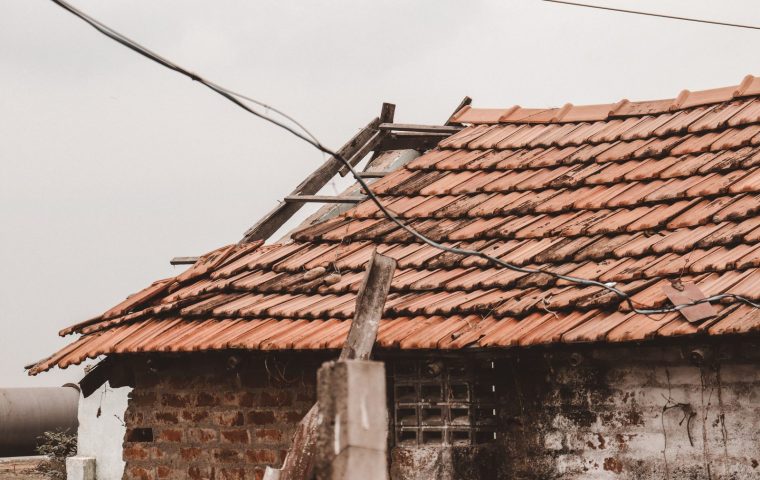


Last spring I pulled a section of fascia off a 1970s ranch and the wood came away in wet flakes, like soaked cardboard. The homeowner thought he needed a couple of boards swapped. By the time we traced the rot, three rafter tails were soft and a 16-foot run had to come down. That is the thing about fascia and soffit: the damage you can see is almost never the whole story.
Fascia and soffit are the trim and ventilation pieces that finish off the edge of your roof. They are cheap materials in the grand scheme of a house, but they sit in the exact spot where water, ice, and pests want to get in. When they fail, replacement runs roughly $6 to $20 per linear foot installed, and the spread comes down to material choice and how far the rot has spread.
I want to walk you through how these pieces actually work, what the numbers look like, and where homeowners get surprised. I have replaced enough of this trim to know the price almost always lives in what you cannot see from the driveway.
What Fascia and Soffit Actually Do
The fascia is the vertical board that runs along the edge of your roof, capping the ends of the rafters. It is what your gutters bolt to, and it is the clean horizontal line you see when you look up at the roofline.
The soffit is the underside panel that tucks in between that fascia board and the wall of your house. It closes off the gap under your roof overhang. More importantly, it usually carries the intake vents that let air flow up into your attic.
Here is a quick example of why the soffit matters more than people think. Your attic needs air moving through it: in at the soffit, out at the ridge. Block or rot out the soffit vents and you trap heat and moisture, which cooks your shingles from below and grows mold in the winter. So this trim is not just looks. It is part of how the roof breathes.
"It is just trim, so it cannot be a big deal." Fascia and soffit are the first defense against water at the most vulnerable edge of the roof. Ignore a soft spot and you are often paying for rafter tails or sheathing later, which is structural and far more expensive than the trim itself.
Material Choices and What They Cost
The material you pick sets your baseline price and how often you will be back up on a ladder. I will give you honest ranges, materials only, before labor.
Wood
Traditional pine or cedar fascia runs roughly $1 to $3 per linear foot for the board itself. It looks great and takes paint well, but it is the highest maintenance option. Wood wants to be painted every five to seven years or it starts the same rot cycle that brought you here.
Aluminum
Aluminum fascia wrap and vented aluminum soffit run roughly $2 to $5 per linear foot in materials. It will not rot, it is light, and it is the most common choice for a reason. The downside is it dents, and a hard hit from a ladder or a falling branch leaves a mark you cannot really fix.
Vinyl and Composite
Vinyl soffit and fascia land around $2 to $6 per linear foot. Composite and PVC trim, the higher-end stuff, runs roughly $4 to $9 per linear foot. These hold up well and never need paint, though vinyl can get brittle and crack in cold climates after a couple of decades.
If your house already has a mix of materials, match the most visible run and do not chase perfection on the back of the house where nobody looks. I have saved homeowners real money by wrapping the street-facing fascia in clean aluminum and using budget vented soffit on the rear elevation.
Breaking Down the Real Installed Price
Materials are the small part. Labor, access, and rot repair are where the bill actually grows. Here is how a typical job splits out per linear foot installed.
| Line item | Typical range (per linear foot) | Notes |
|---|---|---|
| Material (fascia + soffit) | $3 to $12 | Wood at the low end, PVC and composite at the top |
| Labor | $3 to $8 | Higher for two-story or steep roofs |
| Rot or rafter tail repair | $2 to $10 | Only where wood is soft; can spike fast |
| Permit (if required) | $0 to $150 flat | Often waived for like-for-like trim repair |
| Dump and disposal | $50 to $300 flat | Depends on volume and local fees |
Put it together and most homes run roughly $6 to $20 per linear foot installed. A modest single-story house with around 150 linear feet of roofline often lands between $1,200 and $3,000. A larger two-story with extensive rot can push past $6,000.
How Far the Rot Spreads Changes Everything
This is the section that matters most for your budget, so let me be blunt. The price you get quoted on day one is a guess until the old material comes off.
If the damage is cosmetic, peeling paint and surface checking, you might just be looking at a wrap-and-cover job. That is the cheap end. If a board is soft but the rafter tail behind it is solid, a clean board swap is still reasonable.
The expensive scenario is when water has tracked back into the rafter tails or the roof sheathing. Now your trim job has become a small framing repair. Each compromised rafter tail can add $100 to $400 in labor and lumber, and if the sheathing edge is gone, you may be brushing up against work that overlaps a full roof replacement budget.
Most fascia rot starts at a failed gutter or a missing drip edge. If you replace the trim but never fix why the water got there, you will be doing this again in a few years. Chasing symptoms instead of the source is the most common, and most expensive, mistake I see homeowners make on the exterior.
What Pushes Your Quote Up or Down
Two houses with the same roofline can get quotes that are hundreds of dollars apart. Here is what moves the needle.
- Height and access. A single-story ranch is ladder work. A three-story with a steep pitch needs scaffolding or a lift, and that rental and setup time goes straight onto your bill.
- Gutter removal. The gutters bolt to the fascia, so they usually come off and go back on. If yours are old and brittle, factor in replacement too.
- Overhang depth. A deep soffit overhang means more panel material and more cutting around corners and returns.
- Pest damage. Squirrels, birds, and wasps love a soft soffit. If something has been living up there, you may need cleanup before new material goes on.
- Tree cover. Overhanging limbs keep the wood damp and drop debris in your gutters. Clearing a problem limb first, which ties into what tree work runs, often pays for itself in trim that lasts.
Repair Versus Full Replacement
Not every job needs a full tear-off. If you have one bad corner where a downspout overflowed, a targeted repair of 10 to 20 feet might run $300 to $800 and solve the problem.
Full replacement makes sense when the rot is widespread, when you are already redoing gutters or siding, or when the existing material is just worn out. Doing it all at once saves on setup and access costs, since the crew is up there only once.
One thing I always tell people: fascia and soffit problems travel with siding problems, because they share the same water story. If you are seeing trim rot, it is worth checking the wall below for the same trouble. A lot of the common siding water damage mistakes show up first as a soft soffit, so treat the two as one system, not two separate repairs.
Can I replace just the soffit and leave the fascia?
Sometimes, yes. If the fascia board is solid and only the soffit panel or vents have failed, a crew can swap the soffit alone. In practice they are so close together that once the gutters are off, doing both adds little labor and protects you from a callback. I usually recommend handling them together unless the fascia is clearly new.
How long should new fascia and soffit last?
It depends on material and ventilation. Properly installed aluminum or composite can go 30 years or more with little fuss. Painted wood needs upkeep every five to seven years to hit the same lifespan. The real killer is poor drainage, so good gutters and proper attic airflow matter more than the material brand.
Do I need a permit to replace fascia and soffit?
For a straight like-for-like trim repair, most jurisdictions do not require one. If the work touches the roof structure, such as replacing rafter tails or sheathing, a permit may apply. Check with your local building office, since rules vary widely and a quick call is cheaper than a stop-work order.
If you take one thing from this, let it be that fascia and soffit are a system, not just trim, and the smart money fixes the water source at the same time. Get up on a ladder once a year and press on the boards. Soft wood and flaking paint are early warnings, and catching them early is the difference between a few hundred dollars and a few thousand. Stay safe up there, and when in doubt, get a tradesman to put eyes on it before the rot decides for you.