
A doorknob went through a wall in my hallway last spring. Fist-sized hole, jagged edges, right at eye level. The first contractor who looked at it quoted me $340. The second quoted $95. Same hole, same house, same week. That gap is the whole story of drywall repair, and it is why understanding the line items matters more than collecting estimates.
Drywall is cheap. A standard 4x8 sheet of half-inch board runs roughly $14 to $18 at the home center. What you are actually paying for is labor, mud, sanding, and the patience to make a repair disappear under paint. The damage type drives the price far more than the square footage does.
So let me break down what each kind of repair really costs, where the padding hides, and how to tell a fair quote from a fishing expedition.
What "drywall repair" actually covers
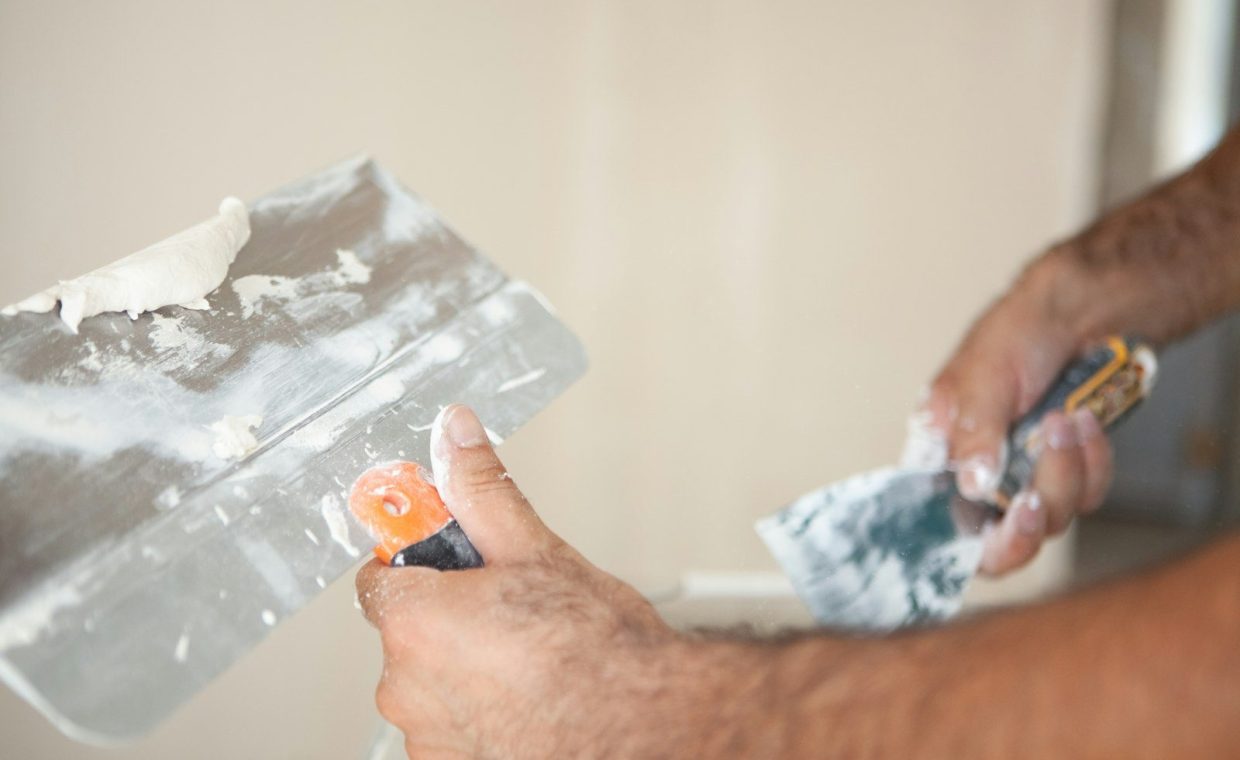
Drywall repair is the process of restoring a damaged section of wall or ceiling so it looks and performs like the surrounding surface. That means cutting out or filling the bad spot, taping and mudding the seams, sanding flat, and priming for paint. Paint itself is usually a separate line.
The trade splits damage into three buckets that map almost directly to price: small dings and nail holes, medium holes that need a patch, and structural or water-related damage that needs a full section replaced. Each step up roughly doubles the labor.
Here is the myth worth dispelling early. People assume a bigger hole means a proportionally bigger bill. It does not. A 2-inch hole and a 5-inch hole take almost the same effort because the slow part is the three coats of mud and the drying time between them, not the size of the patch.
If a quote for a single small patch tops $250 and nothing else is wrong, you are paying a minimum service-call fee, not the true cost of the work. Ask them to itemize it.
The cost breakdown by damage type
Let me put real numbers to the three buckets. These are typical market ranges for a US homeowner hiring a handyman or drywall specialist, not a research dataset. Your zip code and your contractor's overhead will swing them.
| Repair type | Materials | Labor | Typical total |
|---|---|---|---|
| Nail holes, small dings (under 1") | $3-$8 (spackle) | $0-$60 | $10-$60 |
| Small hole (1"-4") | $10-$25 (patch kit) | $60-$150 | $70-$175 |
| Medium hole (4"-12") | $20-$40 | $120-$300 | $140-$340 |
| Large hole / section (over 12") | $30-$75 | $250-$600 | $280-$675 |
| Hairline crack (settling) | $5-$15 | $75-$200 | $80-$215 |
| Water-damaged section (per sheet area) | $40-$90 | $300-$800 | $350-$900+ |
Notice the labor column does the heavy lifting everywhere. On a medium hole, materials might be $30 while labor is $200. That is normal. The skill is in the finish work, and the finish work is what you cannot fake.
Why cracks cost more than they look
A hairline crack seems like the easiest thing on the list. A tube of filler is $6, so how is the bill $150? Because a crack that comes back is worse than no repair at all, and stopping it from coming back is the actual job.
If a pro just smears mud over a settling crack, it reopens in a season. Done right, they cut out the crack into a small V, tape it with mesh or paper, and feather three coats wide. That is an hour of careful work plus drying time across two visits.
Example: A vertical crack above a doorframe in a ten-year-old house is almost always seasonal settling. Expect $90 to $180 to repair it properly. If the same crack keeps returning after a good repair, that is a structural signal, and it belongs on your list of repairs not to delay rather than a cosmetic patch.
When a crack is a symptom, not the problem
Stair-step cracks in a basement, cracks wider than a quarter inch, or cracks paired with sticking doors point to foundation or framing movement. No amount of mud fixes that. Patching it just hides the warning light, and you will pay twice.
Water damage: where the price really climbs
Water-damaged drywall is its own animal because the board itself is compromised. Wet gypsum loses strength, sags, and grows mold inside the cavity where you cannot see it. You cannot patch over it. It has to come out.
That means the cost includes demolition, finding and fixing the source, drying the framing, replacing insulation if it got soaked, then hanging and finishing new board. A single water-stained ceiling section often runs $350 to $700 once you account for all of it.
Replacing water-damaged drywall before you fix what caused it is the most expensive mistake I see. A failing water heater can quietly soak a wall for weeks. If your unit is aging, weigh the math in tank vs tankless water heaters before you spend on cosmetic repairs that will just get ruined again.
There is a useful parallel here with appliances. Just as you sometimes have to decide whether fixing a unit is worth it versus buying new, water damage forces a repair-or-replace call on the wall section. The thinking in appliance repair vs replace applies: if more than a third of the wall is affected, replacing the full section is usually cheaper and cleaner than chasing patches.
What moves your quote up or down
Two identical holes can produce wildly different quotes for reasons that have nothing to do with the hole. Knowing these helps you read an estimate.
- Ceilings cost more than walls. Working overhead is slower and harder, so expect a 20% to 40% premium.
- Texture matching. Knockdown, orange peel, or popcorn texture adds $50 to $150 because matching it is genuinely tricky.
- Paint and color match. If you cannot supply the original paint, they may repaint the whole wall to avoid a visible patch, which can double the job.
- Minimum service fees. Most pros have a $75 to $200 floor. One tiny hole costs the same as three because the truck still has to roll.
- Access. Moving furniture, protecting floors, and high walls all add billable time.
The single best money move is to batch your repairs. Pay one service-call fee for five holes instead of five fees for five holes. That hallway patch I mentioned earlier dropped from $340 to $95 partly because I bundled it with two other small fixes.
Nail holes and dings under an inch are genuinely a $10 weekend job with spackle and a putty knife. Anything that needs tape, mesh, or texture matching is where amateurs create a worse mess that a pro then charges to undo.
Reading a quote like an estimator
When a drywall quote lands, I do one thing first. I separate materials from labor in my head. If the contractor will not itemize, that is a flag, not a dealbreaker, but a flag.
For a single medium hole, a fair quote looks like roughly $30 in materials, $150 to $250 in labor, and a clearly stated minimum if it applies. If someone quotes a flat $400 for that and shrugs when you ask why, you are funding their overhead, not your wall.
Get two or three estimates for anything over $300. For anything under $150, the cost of your time chasing quotes outweighs the savings, so just hire the person with good reviews and move on.
Can I just use a patch kit from the hardware store?
Yes, for holes up to about four inches a self-adhesive mesh patch kit ($10 to $20) works well if you can sand and feather mud. Beyond that size, or for textured walls, the finish is hard to get right and a pro is worth it.
Why did one contractor quote triple another for the same hole?
Usually overhead, minimum fees, or padding. A bigger company carries more cost and passes it on. Always ask for materials and labor as separate lines so you can see where the number comes from.
Is water-stained drywall always a full replacement?
Not always. A small surface stain that is fully dry, with no soft spots and no mold, can sometimes be sealed with a stain-blocking primer and repainted. Anything soft, bulging, or musty needs to come out.
Drywall repair is one of the few home costs where you can genuinely predict the bill once you know the damage type and the labor rate behind it. Match the repair to the bucket, batch your small fixes, and never patch over water until you have killed the source. Do that, and the next doorknob-shaped hole will cost you what it should, not what someone hopes you will pay.