
A client of mine once put off a $180 plumber visit for a slow drip under the kitchen sink. Eight months later, the cabinet floor had rotted, the subfloor below it was soft, and the final bill came to just over $4,200. I priced that job out line by line, and the part that still bugs me is that almost all of it was avoidable.
That is the pattern with home repairs. The cheap fix and the expensive disaster are usually the same problem caught at two different times. The longer water, heat, or load gets to do its quiet work, the more line items pile onto the eventual invoice.
Here are nine repairs I tell people to stop scheduling around. For each one, I will show you the small number now and the ugly number later, plus where that price actually comes from.
1. A Dripping Faucet or Slow Supply Leak
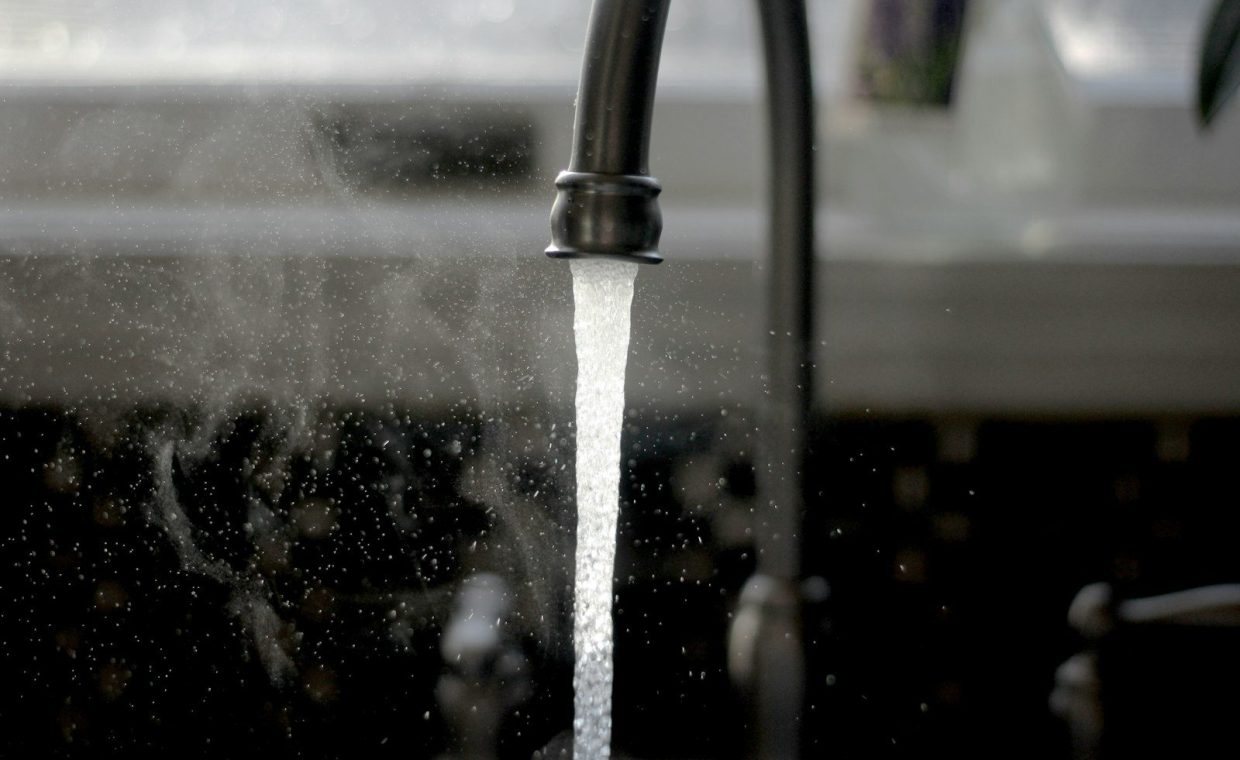
A worn faucet cartridge or a weeping supply line looks harmless. A plumber typically charges roughly $150 to $350 to swap a cartridge or a braided supply hose, and most of that is the trip charge and the first hour of labor, not the $12 part.
Let it run and you are paying twice. There is the water bill, sure, but the real damage is the slow soak into cabinetry and subfloor. Once that wood goes spongy, you are into water damage repair territory, where the same problem now costs roughly $1,500 to $5,000 once you add demolition, drying, and rebuilding.
2. Roof Flashing and a Few Missing Shingles
Flashing is the metal that seals the joints around chimneys, vents, and valleys, and it fails before the shingles do. Resealing or replacing a section of flashing runs roughly $300 to $700. Replacing a handful of blown-off shingles is often $250 to $600, mostly labor and a partial bundle of material.
Skip it for a couple of winters and the water finds the decking. Now you are looking at sheathing replacement, insulation, and ceiling drywall, and a localized roof leak repair climbs to roughly $1,500 to $4,000. If it reaches the framing, add more.
On roof work, the padding is almost always in "access." Steep pitch, a second story, and a chimney chase all add labor hours. Ask the contractor to separate the repair cost from the access surcharge so you can see what you are really paying for.
3. Grout, Caulk, and Tile in a Wet Area
Cracked grout lines and peeling caulk around a tub or shower are a $200 to $500 fix if you hire it out, and closer to $30 in materials if you do it yourself on a Saturday.
That thin bead is the only thing keeping shower water out of the wall cavity. Once it gets behind the tile, you get rotted backer board, mold in the studs, and eventually a soft spot in the bathroom floor. A full shower surround tear-out and rebuild lands around $3,000 to $7,000, and that is before anyone finds rot in the joists.
4. A Tripping Breaker or Warm Outlet
An electrical issue is the one I never tell people to "watch and see." A breaker that trips repeatedly, an outlet that feels warm, or a faint burning smell is your panel telling you something is overloaded or failing.
A licensed electrician charges roughly $150 to $400 to diagnose and replace a single bad breaker or outlet. That is cheap insurance. Ignore it and you are either risking a fire or pushing toward a full electrical panel upgrade, which typically runs $1,500 to $4,000 once you factor in the panel, permits, and the utility coordination.
Burning smells, scorch marks, or buzzing from a panel are not "later" problems. Kill the circuit at the breaker and call an electrician the same day. If you smell burning and cannot find the source, treat it like the emergency it is and follow the first steps for a home emergency before anything else.
5. Gutters and Downspouts That Drain Wrong
Clogged or sagging gutters are a $150 to $400 service call to clean, re-pitch, and refasten. New downspout extensions to carry water away from the house are another $50 to $200.
Here is the chain reaction when you skip it. Water spills over the side, pools against the foundation, and finds its way into the basement or crawlspace. Foundation crack sealing and drainage correction starts around $2,000 and climbs fast once you need exterior excavation. The gutter cleaning was the bargain.
6. A Running or Slow-Filling Toilet
A toilet that keeps running usually needs a $15 flapper or a $25 fill valve, and a plumber visit to handle it runs roughly $120 to $250. Plenty of homeowners manage it themselves with a $20 kit and twenty minutes.
The reason this one makes the list is the silent version. A toilet that leaks at the base wax ring, rather than into the bowl, wicks water into the subfloor every flush. By the time the floor flexes underfoot, you are replacing the flange, the subfloor, and the flooring, which is a $600 to $1,800 job instead of a $20 ring.
7. HVAC Filters and a Wheezing System
This is the cheapest repair on the list to prevent and one of the priciest to ignore. A filter is $10 to $30. A seasonal tune-up runs roughly $80 to $200.
Run a system with a clogged filter and restricted airflow long enough and the blower motor or compressor labors itself to death. A blower motor replacement is roughly $400 to $700; a failed compressor or a new condenser unit can run $1,500 to $4,500. I have seen a $20 filter habit turn into a five-figure full-system replacement when neglect stacked up over years.
Set a phone reminder on the first of every season to check filters, caulk lines, and gutters. Three minutes of looking, four times a year, is the single best return on time you can get as a homeowner. Most of the disasters I price out started as something visible that nobody looked at.
8. Foundation and Settling Cracks
Not every crack is a crisis. A thin, hairline crack in a poured wall is normal curing and concrete shrinkage. Sealing one for peace of mind is roughly $400 to $800.
The ones to act on are horizontal cracks, stair-step cracks in block, or anything wider than a quarter inch that is growing. Caught early, an epoxy injection or a couple of carbon-fiber straps runs roughly $500 to $1,500 per section. Let a structural crack widen and you are into pier or wall-anchor work, which starts around $5,000 and can pass $15,000 for serious settling.
9. Exterior Paint and Bare Wood Trim
Peeling paint on siding and trim feels purely cosmetic, so it sits at the bottom of every to-do list. Spot-priming and repainting exposed trim is a modest job, often a few hundred dollars or a weekend with a $60 gallon of exterior paint.
Paint is not decoration on wood trim; it is the waterproofing. Bare wood drinks moisture, rots from the inside, and invites pests. Replacing rotted fascia, soffit, or window trim runs roughly $800 to $3,000 once carpentry labor and material are added, and rot rarely stays in one board.
Every repair here follows the same math: a small fix priced in the low hundreds, or a delayed disaster priced in the low thousands. The difference is almost always water or heat getting unsupervised time. Catch the cheap version.
How to Triage Your Own House
You do not need to be a pro to spot most of these. Walk the house twice a year and look for three things: water where it should not be, anything warm or smelling of burning, and any crack or gap that is getting bigger.
If you find water, trace it to the source before you patch the symptom. A ceiling stain might be a roof leak, a plumbing line, or condensation, and each has a very different price tag. Fixing the stain without finding the cause is how a $300 problem becomes a recurring one.
How do I tell a cosmetic crack from a structural one?
Vertical hairline cracks in poured concrete are usually cosmetic curing cracks. Horizontal cracks, stair-step cracks in block walls, and anything wider than a quarter inch or actively growing are the ones to have evaluated. Mark the ends with a pencil and a date, then check in a month to see if it moved.
Is it always cheaper to fix something early?
For water, heat, and structural issues, almost always, because the damage compounds into more line items over time. For purely cosmetic wear that is not letting moisture in, you can reasonably wait and bundle it with other work to save on trip charges and setup labor.
Which of these can I safely handle myself?
Filters, flappers, fill valves, caulk, grout, and gutter cleaning are all reasonable DIY jobs with basic tools. Anything electrical, anything structural, and roof work on a steep or tall house are worth a licensed pro, both for safety and because a mistake there gets expensive fast.
I have priced out hundreds of these jobs, and the ones that hurt are never the repair itself. They are the months of quiet damage that happened while the small fix waited. Walk your house this weekend, fix the cheap version of two things on this list, and you will likely have saved yourself a four-figure invoice you never even saw coming. That is the best kind of money you can spend.