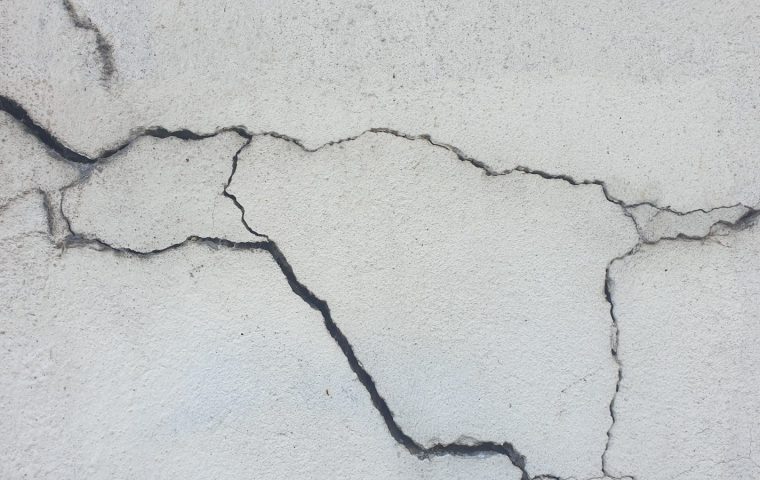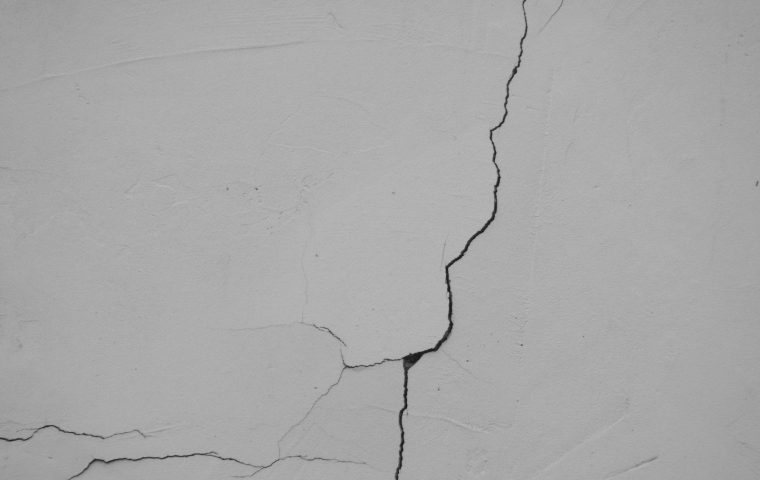

A homeowner called me last spring holding a $14,000 estimate to "completely rebuild" a basement support wall because of a hairline crack. I drove over, looked at it for ten minutes, and the real fix was about $1,800 of carbon-fiber straps and epoxy. Same crack, same house, two wildly different numbers.
That gap is not unusual. I have priced thousands of jobs over twenty-some years, and I can tell you most overpriced quotes are not outright fraud. They are quotes built to scare you into the biggest version of the work, fast, before you think to ask a second contractor.
Here are seven quote patterns that should make you slow down and get another set of eyes on it. None of these guarantees you are being ripped off. But each one is a signal that the number on the page deserves a hard second look.
Trusting a lump-sum quote with no line items
If the entire estimate is one number with a vague description like "repair water damage and related work," you cannot tell what you are paying for. That single line could hide doubled labor hours, marked-up materials, or work that is not even necessary.
A lump sum makes it nearly impossible to compare bids, because the next contractor's "repair water damage" might mean something completely different in scope.
The fix: demand a breakdown
Ask for the quote split into labor, materials, permits, and disposal. A drywall patch and repaint after a leak should read something like materials $150 to $400, labor $400 to $900, for a typical room. When a contractor refuses to itemize, that tells you more than the price does.
Line items, a scope description in plain English, a clear allowance for materials, and the permit cost called out separately. If you cannot see where the money goes, you cannot tell if it is being wasted.
Accepting "you have to replace the whole thing"
This is the most expensive sentence in home repair. Replace the whole roof. Replace every window. Tear out the whole floor. Sometimes it is true. Often a targeted repair gets you 90 percent of the result for 20 percent of the cost.
Take windows. A contractor might quote $12,000 to swap out ten windows when three of them just have failed seals or rotted sills. Repairing those three might run a few hundred dollars each. Before you sign off on a full replacement, it is worth reading up on when window repair beats replacement, because the math is not always what the salesperson says.
Same story under your feet. A bouncy spot in the floor rarely means the whole structure is shot. Knowing the real cost to fix a sagging floor (often sistering a few joists for $1,000 to $3,000 rather than a full rebuild) puts you in a far better spot to push back.
Falling for the today-only discount
"If you sign right now I can knock off $2,000." Real repair pricing does not work that way. A legitimate contractor's number is based on labor hours, material cost, and a fair margin, and none of that changes because the calendar flipped to tomorrow.
The pressure exists for one reason: to stop you from getting a second opinion. The discount is almost always baked into an inflated starting price, so the "deal" just brings you back toward fair.
Watch for the combo: a scary diagnosis, a huge number, and a deadline to decide. When all three show up together, that is a sales script, not an estimate. Thank them, and call someone else.
Paying for a problem nobody can show you
If a contractor tells you there is mold in the walls, a cracked heat exchanger, or rot in the subfloor, you should be able to see it. Photos, a moisture meter reading, a flashlight in the crawlspace. Something.
I have seen quotes for thousands of dollars built on a problem the homeowner was never actually shown. "Trust me, it's in there" is not a diagnosis. It is a guess at best and a sales tactic at worst.
The fix: make them prove the diagnosis
Ask the contractor to physically show you the damage and explain how they will confirm the fix worked. A pro priced this stuff a hundred times and will happily walk you through it. Someone padding the bill gets vague and irritated when you ask to look.
Letting one number stand alone
The single biggest reason people overpay is they get one quote and stop. Without a second and third bid, you have no idea whether $8,000 is fair or fantasy for the job in front of you.
For any repair over roughly $1,500, get at least three quotes. The spread tells you a lot. If two contractors land around $4,000 and one is at $9,000, the outlier is not "premium quality," it is an outlier.
Give every contractor the exact same scope in writing before they bid. Otherwise you are comparing a patch job to a gut renovation and the prices will never line up. Same scope, same words, same materials allowance.
Confusing a scary diagnosis with an urgent one
Some repairs really are emergencies. A gas leak, an active roof leak in a storm, a failing main panel. But plenty of "you need this fixed immediately" pitches are about a slow problem dressed up as a crisis.
A hairline foundation crack that has not moved in five years is not an emergency. A slightly undersized return duct is not an emergency. These get sold as urgent because urgency kills your instinct to shop around.
HVAC is a classic example. A tech might quote a full system replacement at $8,000 to $14,000 when the real issue is a dirty coil, a failing capacitor (a $150 to $400 part), or duct leaks. Before you greenlight a new system, it is worth checking simpler ways to lower your HVAC bills, because "your system is shot" and "your system needs maintenance" are very different invoices.
Ignoring the licensing and paperwork details
An estimate that skips the boring stuff often skips it on purpose. No license number, no proof of insurance, no mention of who pulls the permit, and a demand for a big deposit up front. Each one of those is a quiet risk.
If a contractor wants 50 percent down before any material hits your driveway, that is a problem. A normal deposit runs more like 10 to 30 percent, with the rest tied to progress. And if they suggest skipping the permit "to save you money," what they are really saving is their own time, while leaving you with the liability.
Itemized scope? Damage you could actually see? At least three comparable bids? A reasonable deposit and a named permit? If you cannot check those boxes, you are not ready to sign, no matter how good the discount sounds today.
What a second opinion actually costs you
Here is the part people forget. A second opinion is usually free or close to it. Most contractors give estimates at no charge, and even a paid inspection from an independent specialist runs maybe $150 to $400.
Against a quote that might be padded by thousands, that is the cheapest insurance in home repair. I have never once had a homeowner regret getting a second number. I have met plenty who regretted not getting one.
How many repair quotes should I really get?
For anything over roughly $1,500, get three. For major work like foundation, roofing, or a full HVAC system, three is the floor, not the ceiling. Make sure each contractor is bidding the exact same scope in writing, or the numbers mean nothing.
Is a higher quote ever the right choice?
Sometimes, yes. A higher bid can buy better materials, a longer warranty, a licensed and insured crew, or a contractor who actually shows up. The point is not to chase the cheapest number. It is to understand why a quote is higher and decide if that reason is worth paying for.
What should I do if I already paid a deposit on a bad quote?
Read your contract for the cancellation terms first, since many states give you a short window to back out of a signed home-improvement contract. Put your cancellation in writing, ask for the deposit back, and if the work has not started, you often have more leverage than you think.
None of this means every big estimate is a scam. Some repairs genuinely cost real money, and a good contractor earns every dollar. But the number on that page is the start of a conversation, not the final word. Slow down, ask to see the problem, and get a second set of eyes on it. The hour it takes is almost always cheaper than the hour you skip.