

A homeowner called me last spring about a kitchen she swore should cost $18,000. By the time she walked me through what she wanted (new cabinets, quartz counters, moved sink, recessed lights), the honest number was closer to $34,000. She got quiet. Then she said the thing I hear constantly: "Where do I cut without ending up with junk?"
That is the right question, and most people ask the wrong version of it. They try to save by buying the cheapest version of everything, which is exactly how a remodel goes sideways. The real savings live in sequencing, scope, and a few decisions you make before anyone swings a hammer.
So here is how I walk clients through it, in the order I actually do it on a job. Follow these steps and you can knock 15% to 30% off a typical remodel without the shortcuts that come back to bite you.
Nail Down the Real Scope Before You Price Anything
Most budget blowups are not material costs. They are scope creep, the slow "while we're at it" pile that grows every week.
Write down exactly what the project includes and, just as important, what it does not. If you are remodeling a bathroom, decide now whether the tub stays or goes, because moving plumbing is where a $9,000 bath becomes a $16,000 one.
A clear scope also lets contractors bid the same thing, so you can actually compare numbers. Vague scopes get you vague quotes, and vague quotes are how people end up paying for change orders all summer. I have watched that exact pattern wreck budgets, and it is one of the classic remodeling budget mistakes I see on almost every job that runs long.
Keep a written "not now" list taped to your fridge during the project. Every time you think "while we're at it," it goes on that list instead of into the job. Revisit it after the dust settles, when you can price each item on its own.
Spend Where It Hides, Save Where It Shows
This is the move that separates a smart budget from a cheap one. Put your money on the stuff buried in the walls and floors, and save on the stuff you can swap later.
Plumbing rough-ins, electrical, subfloor, waterproofing behind tile: never cut here. Redoing a leaking shower pan runs roughly $3,000 to $6,000 once tile is involved, and that is money you already spent once.
Now flip it. Cabinet hardware, light fixtures, faucets, paint color, even the backsplash are cheap to upgrade down the road. Buy the $40 faucet now, put the $200 one in next year if you want. Nobody opens a wall to admire your plumbing.
Where the money quietly disappears
- Moving fixtures: relocating a sink, toilet, or gas line easily adds $800 to $2,500 each.
- Custom sizes: a non-standard window or cabinet can cost double a stock one.
- Disposal and dumpsters: often $400 to $900, and people forget it entirely.
Do the Demo and Prep Yourself (If You Can)
Labor is usually 40% to 60% of a remodel. The cheapest labor is the kind you do not pay for, and demo is the safest place for a homeowner to swing a hammer.
Tearing out old cabinets, pulling carpet, removing trim, hauling debris: this is grunt work, not skilled work. Doing your own demo on a kitchen can save roughly $1,000 to $2,500.
Painting is the other big one. A pro paints faster and cleaner, but if money is tight, prime and paint yourself after the trades are done. Just stay out of anything involving wiring, gas, or load-bearing structure. That is not where you learn on the job.
DIY saves real money right up until it does not. A botched tile job or a leak inside a wall can cost more to fix than it would have to hire it out the first time. If a mistake means opening up finished work, pay the pro.
Phase the Project Instead of Financing the Whole Thing
You do not have to do everything at once, and pretending you do is how people end up borrowing at bad rates.
Split the work into phases tied to what actually needs doing now versus what can wait. Maybe the layout and plumbing happen this year, and the fancy island and pantry build-out happen next year out of cash instead of a loan.
The exception is anything structural or anything behind walls. If you are opening up the space anyway, get the rough plumbing and electrical to where you will eventually want it, even if the finishes wait. Opening a wall twice is the most expensive thing you can do.
When phasing does not work
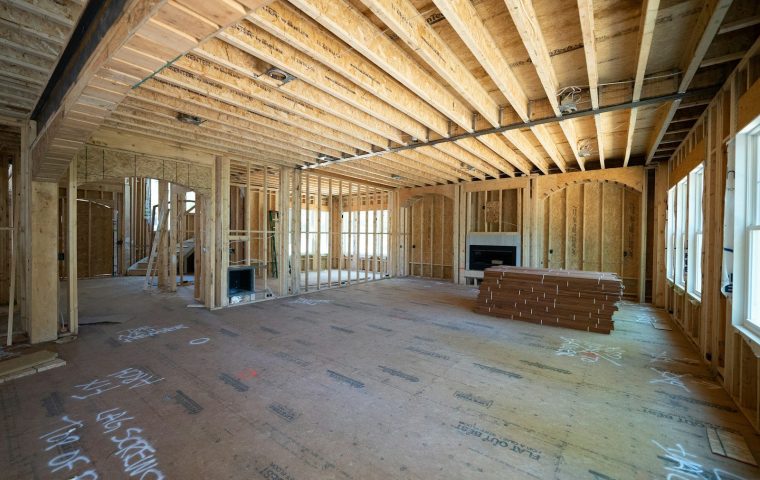
Some jobs cannot be split. A gut renovation cost runs high precisely because the whole thing comes apart at once, and you cannot live in half of it. If you are taking a house down to studs, phasing the finishes still helps, but the demo and rough work have to go together.
Get Three Real Bids and Read Them Like a Contract
One bid tells you nothing. Two gives you a guess. Three gives you the actual market for your job.
When the numbers come in, do not just grab the lowest one. A bid that is 30% under the others is not a deal, it is a warning. Either they missed something or they plan to make it up in change orders.
Read what each bid includes. Does it cover permits, dump fees, and cleanup? Is there an allowance for tile and fixtures, and is that allowance realistic or a lowball to win the job? A suspiciously cheap quote is one of the classic bad contractor red flags, right up there with no written contract and a big cash deposit up front.
Lowball material allowances make a bid look cheap, then you blow past them at the tile store and the "savings" vanish. Ask every bidder what their tile, fixture, and cabinet allowances are in dollars, and compare those, not just the bottom number.
Time the Job and Buy Smart
Contractors are busiest in late spring and summer. Book an interior remodel for late fall or winter and you will often get better pricing and more attention, because their calendar is open.
On materials, watch for floor-model and discontinued cabinet lines, last year's tile, and appliance scratch-and-dent. A discontinued quartz slab can run 30% to 50% off and nobody will ever know it was on clearance.
Order long-lead items early too. Waiting three weeks on a backordered vanity while a crew sits idle is a quiet way to pay for nothing.
Hold a Real Contingency So Surprises Do Not Sink You
Every remodel has surprises. Old wiring that is not to code, rot under a tub, a floor that is not level. The fix is not optimism, it is a buffer.
Set aside 10% to 20% of your total budget and do not touch it for upgrades. On a $30,000 job, that is $3,000 to $6,000 sitting there for the stuff you cannot see until the walls are open.
If you do not use it, great, that is your new-fixtures fund. But on an older home, you will probably need most of it, and the people who skip the contingency are the ones who run out of money with the kitchen half done.
What is the single biggest way to cut remodeling costs?
Tighten the scope before you price anything. Scope creep, the slow pile of "while we're at it" additions, blows more budgets than expensive materials ever do. Decide exactly what is in and what is out, then hold that line.
Is doing my own demolition actually worth it?
Usually yes, if you have the time and a way to haul debris. Demo is unskilled labor, and doing your own on a kitchen can save roughly $1,000 to $2,500. Just stay away from anything involving wiring, gas, or structure.
How much should I keep as a contingency fund?
Plan on 10% to 20% of the total budget, and more if the house is older. On a $30,000 remodel that is $3,000 to $6,000 set aside specifically for the surprises you cannot see until demo opens things up.
None of this is fancy. It is just the order I run a job in, and the spots where I have watched money walk out the door for nothing. Spend on what is hidden, save on what is swappable, get real bids, and keep a buffer. Do that, and you will end up with a remodel you are proud of instead of one you are still apologizing for in two years.