
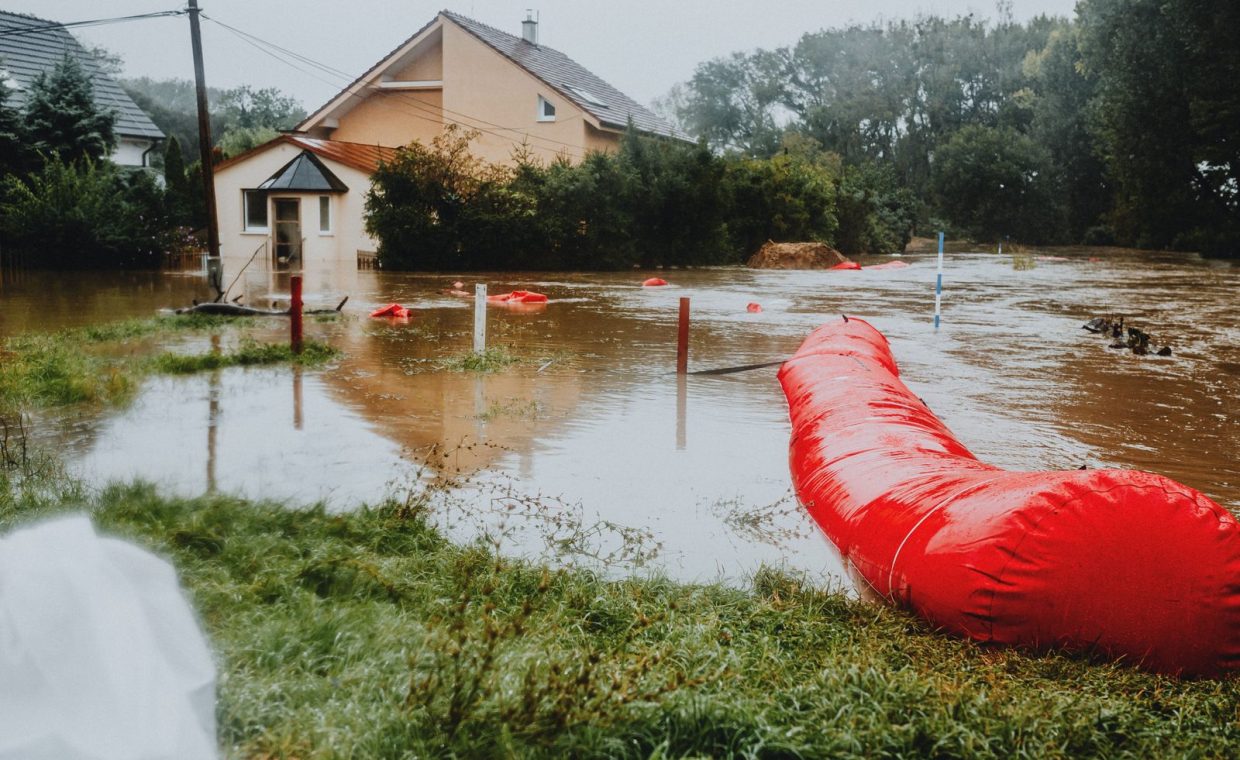
The call came on a Sunday in March. A homeowner I'll call Dave woke up to two inches of brown water across his finished basement floor, a soaked sectional couch floating slightly off its feet, and a sump pump that had quietly died sometime during the night. By the time he texted me a photo, the water had been sitting for maybe six hours.
That timing matters more than most people realize. Water that sits gets into drywall, baseboards, and the bottom plates of your framing, and the clock on mold starts running fast. What looked like a wet-vac job on Sunday morning turned into a $14,000 project by the time the last coat of paint dried.
I priced and managed the whole thing, so let me walk you through where every dollar went. Dave's basement is a fairly average finished space, roughly 600 square feet, with drywall, carpet, a half bath, and a utility area. Your numbers will move with your square footage and how fast you act, but the shape of the bill will look a lot like this.
The First 48 Hours: Stop the Bleeding
The first thing I told Dave was to kill the power to the basement at the breaker and not wade through standing water until he had. People die from this. It is not worth a soggy area rug.
The immediate work is water extraction. A restoration crew showed up Sunday afternoon with a truck-mounted extractor and pulled the standing water in about two hours. For a space this size, emergency extraction usually runs roughly $400 to $1,200 depending on volume and whether it is clean water or contaminated.
Dave's water was "gray," meaning it had sump and groundwater mixed in but no sewage. That kept us out of the most expensive category. If it had been a sewer backup ("black water"), every porous material it touched would have been a mandatory tear-out, and the bill climbs fast.
Restoration pros sort water into three classes. Clean (Category 1), gray (Category 2), and black (Category 3, sewage or flood water). The category drives how much gets thrown away. A black-water flood can easily double a cleanup bill because almost nothing porous can be saved.
Drying It Out Properly
Here is where homeowners try to save money and end up paying more. Dave's instinct was to open some windows and run a box fan for a weekend. That does not dry a structure. It just moves damp air around while moisture stays locked inside the wall cavities.
The crew set up six air movers and two commercial dehumidifiers and left them running for four days. They drilled small weep holes at the base of the drywall to vent the wall cavities and pulled the wet carpet pad (pad is cheap and almost never worth saving). They came back daily with a moisture meter to check progress.
Professional structural drying for a space this size typically lands around $2,000 to $4,000 when you account for equipment rental, the daily monitoring visits, and the antimicrobial treatment they fogged through to head off mold. Dave's came in at $3,100.
Ask the drying company to leave you the daily moisture-meter readings. A reputable crew documents that the framing hit a safe moisture content before they pull equipment. That paper trail is also what your insurance adjuster wants to see, and it protects you if mold shows up later.
Demolition and What Had to Go
Once things were dry, we took stock of what survived. The bottom two feet of drywall had wicked up enough water that it had to be cut out and replaced, a standard "flood cut." The carpet itself was salvageable after cleaning, but the pad and the soaked baseboards were gone. The bottom of the vanity in the half bath had swelled and delaminated, so that went too.
Demolition and haul-away for this scope ran about $1,500. It is grimy, unglamorous work, but skipping it is how you end up with hidden mold and a much bigger bill in eighteen months. I have torn out plenty of "patched" basements where someone painted over wet drywall, and it is always worse underneath.
The Rebuild
This is the visible part, the stuff Dave actually cared about, and it is where the largest chunk of the money lived. New drywall, tape, mud, and paint on the lower walls. New carpet pad and a re-stretch of the cleaned carpet. New baseboards and trim. A new vanity and re-set toilet in the half bath. And a fresh coat of paint on everything so the repaired sections did not stand out.
Labor versus materials
On a rebuild like this, labor is usually the bigger line. Materials for the drywall, trim, paint, pad, and a mid-grade vanity came to roughly $2,400. The labor to hang, finish, paint, install trim, re-stretch carpet, and swap the bathroom fixtures ran about $3,800. Finish carpentry and drywall finishing are skilled trades, and you pay for someone who can make a flood cut disappear.
The Root Cause: A $180 Part
Now for the part that stings. The entire flood traced back to a failed sump pump that was about twelve years old, well past its expected life. A replacement pump runs $150 to $400 for the unit, plus a couple hundred in labor. We also added a battery backup pump for around $300 to $500 installed, because the original failure happened during a storm when the power flickered.
So a $180 pump and a backup that Dave could have installed proactively would have prevented a $14,000 loss. I see this pattern constantly. The cheapest money you will ever spend is on the small maintenance that stops the big event, which is the whole logic behind getting ahead of expensive repairs before they cascade. It is the same math I walk people through with a creeping pest-damage repair bill, where a small fix early beats a structural one later.
The line items people forget: dumpster and disposal fees, the moisture-control antimicrobial fog, repainting the whole room (not just the patched section) so colors match, and the deductible on your insurance claim. Together these "small" extras added close to $1,800 to Dave's bottom-line number.
The Full Itemized Bill
| Line Item | What It Covered | Cost (USD) |
|---|---|---|
| Emergency water extraction | Truck-mount removal of standing gray water | $850 |
| Structural drying | 4 days of air movers, dehumidifiers, daily monitoring, antimicrobial | $3,100 |
| Demolition and haul-away | Flood-cut drywall, wet pad, baseboards, damaged vanity, dumpster | $1,500 |
| Rebuild materials | Drywall, trim, paint, carpet pad, mid-grade vanity | $2,400 |
| Rebuild labor | Drywall finish, paint, trim, carpet re-stretch, fixture install | $3,800 |
| Sump pump replacement | New primary pump plus installation | $450 |
| Battery backup pump | Secondary pump and battery, installed | $450 |
| Permits and miscellaneous | Minor plumbing permit, disposal fees, contingency | $650 |
| Project total | Cleanup through final paint | $13,200 |
Insurance covered a good chunk of Dave's loss, but not all of it. Many standard homeowner policies exclude groundwater and surface flooding unless you carry a separate flood or water-backup rider, so read your declarations page before you assume you are covered. Dave had a sump-overflow endorsement, which paid out after his deductible, and he was lucky to have it.
What Moves the Number Up or Down
The biggest swing factor is how fast you start drying. Water caught in the first few hours might mean carpet survives and drywall stays put. Water that sits for two days often means a full gut of the lower walls and possible mold remediation, which is its own line item that can add $1,500 to $6,000.
Other factors include finish level (a basic utility basement costs far less to restore than a finished theater room), the water category, and whether your HVAC took on water. If a flood reaches your furnace or air handler, you may be staring at a separate equipment decision, the same gut-check I describe in a full HVAC replacement walkthrough.
A finished-basement flood of this size realistically runs $10,000 to $18,000 from extraction through final paint, and the single biggest cost driver is how many hours the water sits before drying starts. Most of that loss is preventable with a working sump pump, a battery backup, and the discipline to call a real drying crew instead of running a box fan. Document moisture readings, confirm your water category, and check whether your policy actually covers groundwater before you need to.
Can I just dry the basement myself and save the money?
You can extract surface water yourself, but home fans and a consumer dehumidifier will not pull moisture out of wall cavities and framing the way commercial equipment does. The risk is hidden mold weeks later, which costs far more to remediate than the few thousand dollars proper drying would have cost.
Will homeowners insurance pay for a flooded basement?
It depends on the source. Burst pipes are usually covered, but groundwater, surface flooding, and sump failures are often excluded unless you carry a water-backup or flood endorsement. Check your policy now, because adding the rider costs a fraction of one cleanup.
How long does a full basement flood restoration take?
Plan on three to four days of drying before any rebuild starts, then another one to two weeks for demolition, drywall, paint, and finish work. Rushing the drying phase to start rebuilding sooner is the most common and most expensive mistake I see.
Dave got his basement back, and these days he tests his sump pump every spring and keeps the backup charged. He spent thirteen grand learning a lesson that a $180 part would have taught him for free. If you have a basement, go look at your pump this weekend. I would rather you spend twenty minutes now than read your own version of this bill next March.