
The furnace in this 1990s split-level died on a Tuesday in January, the kind of cold snap where you can see your breath in the kitchen. The homeowner, a couple I'll call the Reyes family, had been nursing a 19-year-old gas furnace and a matching outdoor condenser that wheezed every summer. When the heat exchanger finally cracked, the gas company red-tagged it on the spot. No more band-aids.
They did the right thing and pulled three quotes before signing anything. The spread shocked them: $9,400 on the low end, $15,200 on the high end, for what looked like the same job on paper. I walked through all three with them as a favor, and the differences came down to the work most folks never see, the stuff behind the drywall and up on the roof line.
Here's how a single $12k HVAC replacement actually breaks down, quote by quote, and where the real money hides.
What the Reyes family was actually buying
This was a full system swap, not a repair. That means a new gas furnace, a new outdoor condenser, a matched evaporator coil, and a new line set if the old one couldn't be reused.
Their house is about 2,000 square feet, single zone, with existing ductwork in decent shape. The original equipment was a builder-grade 80% efficiency furnace paired with a 10 SEER condenser, both long past their service life. They wanted something that would last another 15 to 20 years without surprises.
A full single-system replacement like this typically runs anywhere from roughly $8,000 to $16,000 installed, depending on efficiency, brand, and how much hidden repair work the install uncovers. The Reyes job landed right in the middle.
Three quotes can list identical equipment and still differ by thousands. The variable is almost never the box on the wall. It's the labor hours, the code-required upgrades, and whether the contractor reuses or replaces the parts you can't see.
The three quotes, side by side
Each contractor measured the house, checked the existing ducts, and looked at the electrical panel. All three proposed a 96% efficiency furnace and a 16 SEER2 condenser. From there, they diverged.
Quote A, the budget bid ($9,400)
The cheapest contractor planned to reuse the existing line set, the existing condenser pad, and the old thermostat. He quoted a single-stage furnace and skipped a new condensate safety switch. Fast in and out, two-man crew, one day.
Quote B, the middle bid ($12,100)
This is the one they took. New line set, new pad, a two-stage furnace for quieter operation, a smart thermostat, a fresh condensate float switch, and a permit pulled with the city. A three-man crew, a day and a half.
Quote C, the premium bid ($15,200)
Same core equipment but with a modulating furnace, a 10-year labor warranty, full duct sealing, a surge protector on the condenser, and a return-air upgrade. Beautiful work on paper, more than they needed for this house.
| Line item | Quote A (budget) | Quote B (chosen) | Quote C (premium) |
|---|---|---|---|
| Gas furnace (96% AFUE) | $2,300 | $2,900 | $3,800 |
| Condenser (16 SEER2) | $2,600 | $2,900 | $3,200 |
| Evaporator coil | $700 | $850 | $950 |
| Line set (reused vs new) | $0 | $450 | $500 |
| Thermostat | $120 | $280 | $320 |
| Labor | $2,900 | $3,400 | $4,600 |
| Condensate safety switch | $0 | $140 | $160 |
| Duct sealing / return upgrade | $0 | $0 | $1,100 |
| Permit and inspection | $0 | $320 | $350 |
| Disposal and misc materials | $280 | $370 | $470 |
| Total | $9,400 | $12,100 | $15,200 |
Where the budget quote was hiding risk
I don't hate a cheap quote on principle. But reusing a 19-year-old line set is the part that made me wince. That copper has been holding the old refrigerant, and the new condenser uses R-454B or R-410A at higher pressures. Old oil residue can foul a new compressor and void the warranty.
Skipping the condensate safety switch is the other quiet gamble. When the drain line clogs, that little float switch shuts the system off before water overflows the pan. Without it, the overflow finds your ceiling or, worse, runs down into a finished basement.
A clogged AC condensate line is a leading cause of indoor water damage in summer. I've seen a $140 float switch save a $9,000 ceiling. If your basement is finished, this is non-negotiable, the same logic that makes a working sump pump worth its cost instead of a gamble.
That basement-flood risk isn't hypothetical. We documented exactly how fast a small water intrusion snowballs in our flooded basement case study, and a failed condensate line is one of the most common triggers in the warm months.
Why the middle quote won
Quote B did the boring things right. New line set, so no warranty fights. A permit pulled, so a city inspector verified the gas connection and the electrical. A condensate float switch, so the finished basement below stays dry.
The two-stage furnace was a small upgrade that pays back in comfort. It runs on low most of the time, which means quieter operation and fewer temperature swings. For about $600 more than single-stage, the Reyes family thought it was worth it, and I agreed.
What they skipped was smart too. They passed on the modulating furnace and the duct sealing because their ducts tested reasonably tight already. No sense paying $1,100 to fix a problem they didn't have.
The single biggest spread across these three quotes was labor, $2,900 to $4,600. That gap reflects crew size, warranty length, and how much old work gets corrected during the swap. When you compare bids, line up the labor and the included extras before you ever look at the equipment brand.
The exterior and mechanical work you never see
Homeowners fixate on the furnace because it's the box they can point at. The real craft is everything around it.
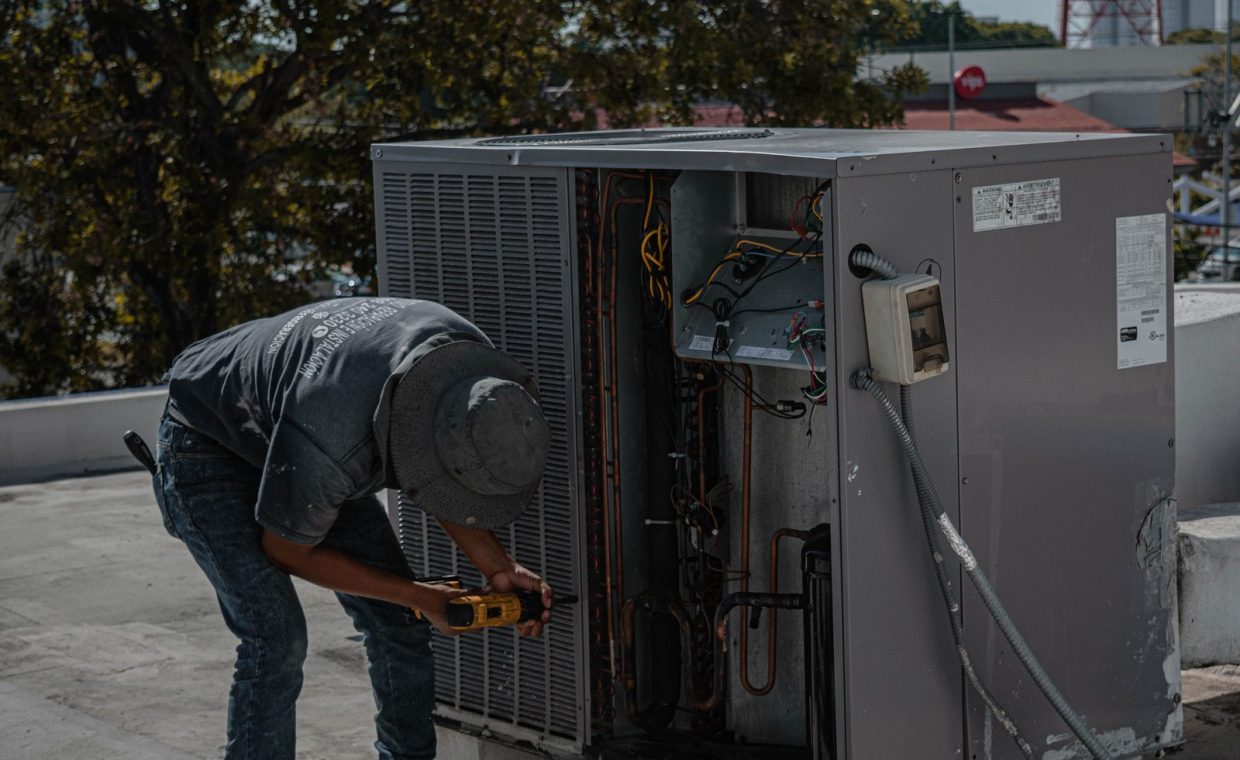
On the Reyes job, the crew rebuilt the PVC flue venting through the sidewall, re-pitched the condensate drain so it actually drains, and poured a fresh composite pad because the old concrete had heaved. They also added a whip and disconnect at the condenser to meet code, the kind of detail an inspector fails you for.
Up at the equipment, they pulled a proper vacuum on the line set and weighed in the refrigerant charge by the ounce instead of eyeballing it. An overcharged or undercharged system loses efficiency and shortens compressor life, and you'd never know until it dies early.
How to read your own three quotes
If you're staring at a stack of HVAC bids right now, line them up the way I did for the Reyes family. Match the equipment first, then hunt for what's missing.
- Is the line set new or reused? Reused on an old system is a red flag.
- Is a permit included, or is that on you to chase later?
- Is there a condensate safety switch, especially over finished space?
- What's the labor warranty, one year or ten?
- Single-stage, two-stage, or modulating, and does your house actually need the upgrade?
For a deeper walkthrough of spotting padded line items and pressure tactics, our guide to reading honest HVAC quotes covers the scripts contractors use and how to push back politely.
A full single-system HVAC replacement typically runs roughly $8,000 to $16,000 installed, and the Reyes family paid $12,100 for the middle bid. The cheapest quote saved money by reusing an old line set and skipping a condensate safety switch, two shortcuts that risk warranty trouble and water damage. The premium quote added work this house didn't need. Match the equipment across bids, then compare labor, permits, and the small safety items, because that's where thousands of dollars and your peace of mind actually live.
How long should a new HVAC system last?
A properly installed and maintained gas furnace usually lasts 15 to 20 years, and a condenser around 12 to 17 years. Correct refrigerant charge, a clean condensate line, and annual service are what get you to the top of that range instead of the bottom.
Is it worth replacing the furnace and AC at the same time?
Usually yes if both are near the end of their life. Matched equipment runs more efficiently, the labor overlaps so you save on the install, and you avoid a mismatched coil that drags down performance. If one unit is only a few years old, replacing just the failed half can make sense.
Should I always take the lowest HVAC quote?
Not automatically. Compare what each bid includes, not just the total. A low number that reuses old parts, skips the permit, or leaves out a condensate safety switch can cost far more later in repairs and water damage than the few hundred dollars you saved up front.
I told the Reyes family the same thing I'll tell you: the cheapest quote and the most expensive quote were both wrong for their house, just in opposite directions. The middle bid wasn't the safe choice because it sat in the middle, it was the right choice because it paid for the work that keeps a system alive and a basement dry. Pull three quotes, read the line items, and spend your money where it actually protects you. Stay warm out there.