
I once walked into a brand-new 2,000-square-foot house where the previous contractor had dropped in a 5-ton air conditioner because, in his words, "bigger is better." The thing short-cycled all summer, the upstairs never got comfortable, and the homeowner was paying to cool a house that felt clammy. That unit was nearly twice the size it should have been.
Oversizing is the most common mistake I see in the field, and it is expensive twice: once when you buy the oversized equipment, and again every month when it runs poorly. The fix is not a rule of thumb. It is a load calculation, the same math an engineer or a careful installer runs before anyone quotes you a system.
Here is how that calculation actually works, why it drives both comfort and cost, and how to make sure the person quoting your job did it right instead of eyeballing your square footage.
Understand what "tonnage" really measures
HVAC capacity is measured in tons, and one ton equals 12,000 BTUs of heat moved per hour. A 3-ton system moves 36,000 BTUs. It has nothing to do with weight, which trips up a lot of homeowners.
The job of the system is to remove exactly as much heat as your house gains on a hot day, and add exactly as much as it loses on a cold one. Too small and it runs constantly and never catches up. Too big and it blasts cold air, hits the thermostat target fast, then shuts off before it ever pulls humidity out of the air.
An oversized unit reaches temperature in short bursts, so it never runs long enough to dehumidify. You end up with a cold, damp house and a compressor that wears out years early from constant stopping and starting.
Get a Manual J load calculation
The industry standard is called a Manual J. It is a room-by-room accounting of every source of heat gain and loss in your home, and it is the single document that separates a real quote from a guess.
A proper Manual J accounts for your square footage, ceiling heights, insulation values, window size and orientation, air leakage, local design temperatures, and even how many people live there. Two identical-looking houses can need different systems if one faces west with big windows and the other sits shaded under trees.
What it costs to have one done
Many reputable installers fold the load calculation into their free estimate. If you want an independent calculation from a third party who is not selling you equipment, expect to pay roughly $150 to $500 depending on home size and complexity. On a system that can run $8,000 or more installed, that is cheap insurance against buying the wrong size.
If a contractor quotes you a tonnage in under five minutes without measuring windows or asking about insulation, walk away. They sized it off square footage alone, and that is exactly how houses end up with the wrong equipment.
Translate the load into equipment size
Once the Manual J spits out your heating and cooling loads in BTUs, you round to the nearest standard equipment size. Air conditioners and heat pumps come in half-ton increments: 1.5, 2, 2.5, 3, 3.5, 4, and 5 tons.
As a very rough sanity check, well-built homes in moderate climates often land somewhere around 400 to 600 square feet per ton of cooling. So a tight, well-insulated 2,000-square-foot house might need 3 to 3.5 tons. That is a gut check, not a substitute for the real calculation, and I want to be clear about that.
Here is the part most homeowners never hear: you should size to the calculated load and then resist the urge to "round up for safety." That rounding up is exactly how the 5-ton monster ended up in that house I mentioned.
Check that your ductwork and electrical can handle it
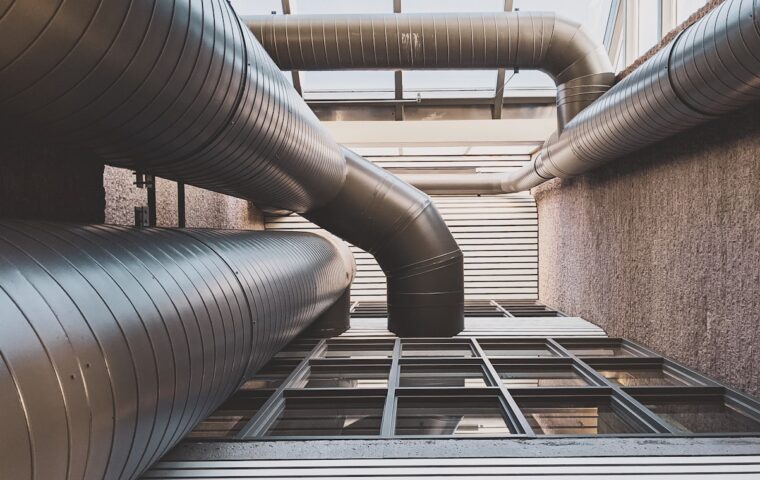
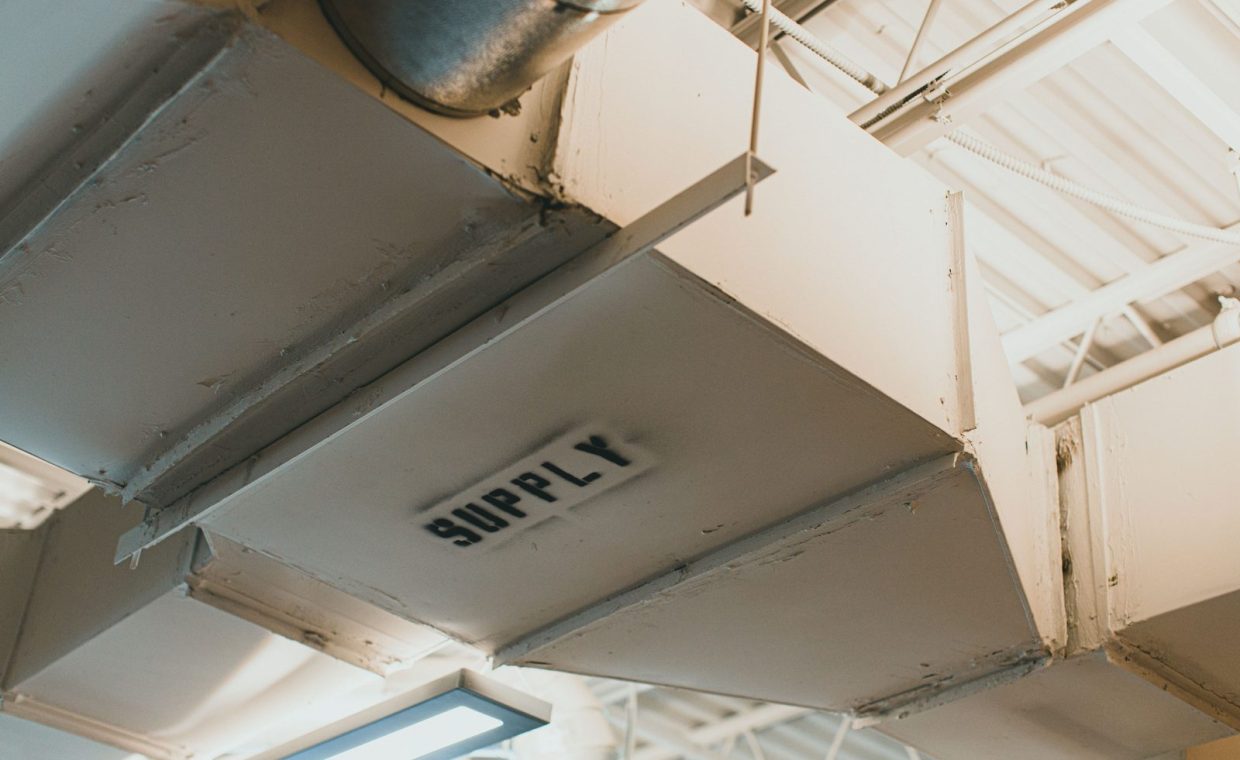
The right-sized unit still fails if the rest of the system cannot keep up. Ductwork has to move the air the equipment produces. If your ducts are undersized or leaky, even a perfectly sized condenser will struggle.
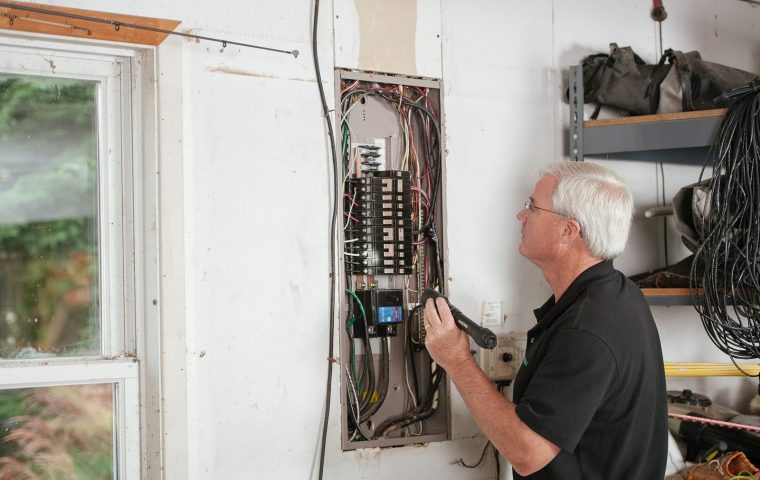
Electrical is the other piece people forget about, and it is the part of the job I care about most as a tradesman. A new high-efficiency system, especially a heat pump or one with electric backup heat, can draw serious current. Older homes with a 100-amp service or a packed breaker box sometimes cannot accept the new load without an upgrade.
If your panel is full, dated, or showing problems, you may need an electrical panel upgrade before the HVAC work even begins. It pays to learn the warning signs your electrical needs attention early, because finding out mid-install means delays and surprise costs.
I have seen installs stall on day one because the panel had no room for a new double-pole breaker. Have your installer confirm the electrical capacity in writing during the quote, not on installation morning.
Match the system type to the load and your home
Sizing tells you how much capacity you need. The next decision is what kind of equipment delivers it. The load calculation feeds directly into this choice.
Single-stage, two-stage, and variable-speed
A single-stage system is either full-on or off. A two-stage runs at a lower level most of the time and kicks to high only on extreme days. A variable-speed system modulates continuously, which is the best at managing humidity and comfort because it runs longer at lower output.
For a home where the load swings a lot between seasons, a two-stage or variable-speed unit handles part-load conditions far better than a single-stage that is either flooding you with cold air or sitting idle. It costs more up front, but it runs closer to your actual load most of the year.
What a right-sized system actually costs
Pricing varies by region, efficiency, and how much duct or electrical work tags along, but here is a realistic breakdown for a typical central system swap.
- Equipment (condenser, coil, air handler or furnace): roughly $3,500 to $7,500 depending on tonnage and efficiency rating.
- Labor and installation: typically around $2,000 to $4,500, more if ductwork is modified.
- Permits and inspection: usually $100 to $500, and yes, you want the permit pulled.
- Electrical upgrades (if needed): add roughly $1,500 to $4,000 if a panel upgrade is required.
All in, a straightforward right-sized central air or heat pump install commonly runs around $6,000 to $14,000. The wide range is mostly about home complexity and whether your supporting systems are ready.
One thing worth weighing before you replace anything: if your existing unit is relatively young and the failure is a single component, the same logic from deciding whether to repair or replace an appliance applies to HVAC. A failed capacitor is a cheap fix. A failed compressor on a 4-year-old unit is usually a warranty claim, not a reason to buy a new system.
Verify the work matches the math
When the install is done, the equipment nameplate should match the tonnage from your Manual J. Ask for a copy of the load calculation and the manufacturer model numbers, and confirm they line up.
Then watch how it runs. On a hot afternoon a correctly sized system should run in long, steady cycles, not quick blasts. The air coming out should feel cool but not arctic, and the house should feel dry, not just cold. That steady run is the sound of equipment matched to its load, and it is what you paid for.
Sizing is math, not square footage. Demand a Manual J, confirm your ductwork and electrical can support the unit, size to the load without rounding up, and verify the installed equipment matches the calculation.
Can I just use the square footage rule to size my system?
You can use it as a quick gut check, but never as the basis for a purchase. Square footage ignores insulation, windows, orientation, and air leakage, which can easily shift the real load by a full ton or more. A Manual J is the only reliable method.
Is a bigger HVAC system better for comfort?
No, and this is the most common and costly mistake. An oversized unit cools fast then shuts off before it can remove humidity, leaving you with a cold, clammy house and a compressor that wears out early from short-cycling.
Will a new HVAC system require an electrical upgrade?
Sometimes. High-efficiency systems and heat pumps with electric backup can draw significant current, and older panels may not have the capacity or breaker space. Have your installer confirm your electrical can handle the load during the quote, not on installation day.
If you take one thing from all this, let it be the load calculation. I have spent years fixing systems that were never sized right in the first place, and almost every one traced back to a contractor who skipped the math. Ask for the Manual J, read it, and make the equipment match it. Get that part right and the rest of the install tends to fall into place.