
Last winter a reader in Ohio sent me two quotes for the same job. One installer wanted $14,200 for a ducted heat pump system. The other quoted $9,800 for nearly identical equipment. Same house, same week, same brand of compressor. That $4,400 gap is the whole problem with heat pump pricing in one screenshot.
I called both suppliers, asked for the line-item breakdowns, and pieced together where the money actually goes. What I found is that the equipment is rarely the part that swings the price. Labor, ductwork, electrical, and how badly the company wants the job do most of the moving.
So let me walk you through what a heat pump really costs, which rebates knock the sticker down, and the honest answer to whether it pays off where you live. I read the contracts so you do not have to guess.
What a heat pump actually is, and the myth worth killing
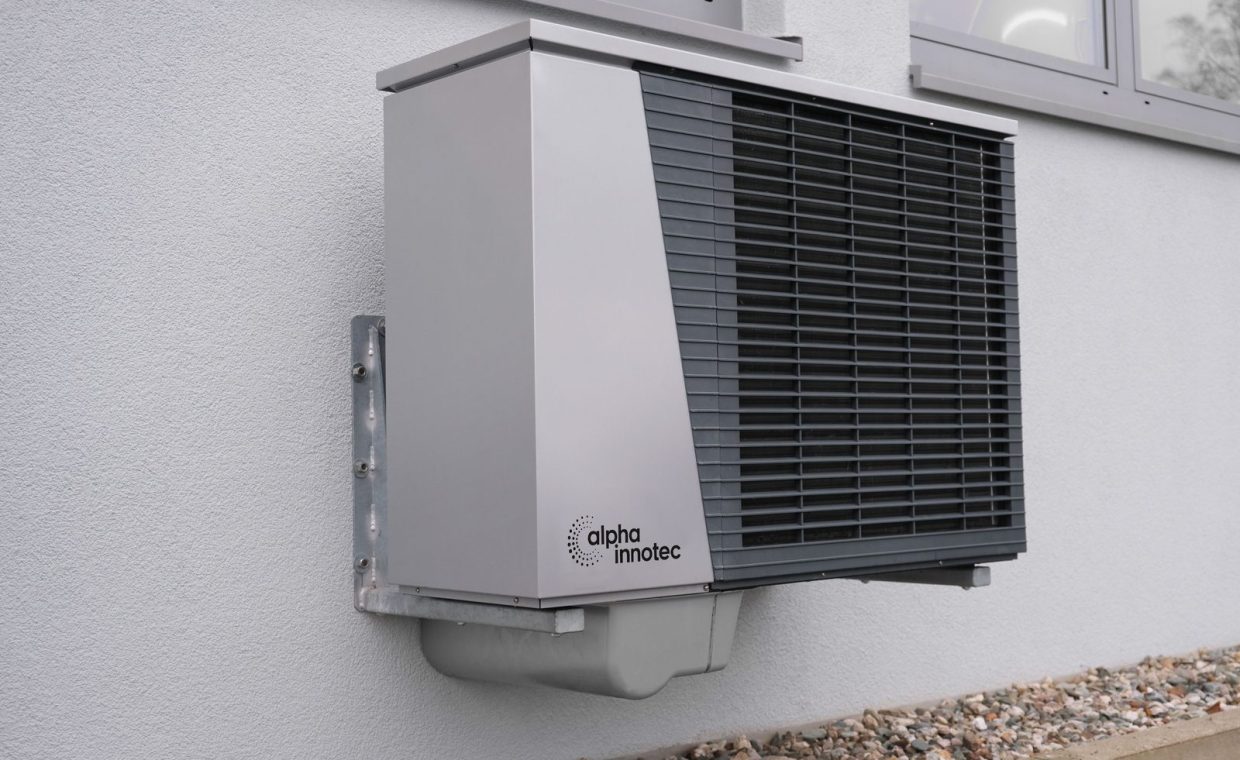
A heat pump is an air conditioner that runs in both directions. In summer it pulls heat out of your house. In winter it reverses and pulls heat from the outdoor air (yes, even cold air has heat in it) and moves it inside.
The big myth I hear at kitchen tables is that heat pumps stop working when it gets cold. That was true twenty years ago. Modern cold-climate units (look for the variable-speed and "cold climate" labeling) hold useful output down into the single digits Fahrenheit.
A heat pump does not burn fuel to make heat. It moves heat that already exists, which is why it can deliver more energy than it consumes. That is the whole efficiency story.
Here is a quick example. A gas furnace at 95 percent efficiency turns one dollar of gas into 95 cents of heat. A heat pump on a mild day can turn one dollar of electricity into roughly three dollars of heat, because it is moving heat rather than creating it. The colder it gets, the closer that ratio drifts toward one to one.
The price breakdown nobody hands you up front
When you see "heat pump cost" tossed around online, people usually mean the equipment. That is maybe a third of your check. The rest is labor, supporting work, and overhead.
Here is how a typical ducted whole-home install splits out. These are illustrative market ranges, not a quote for your house.
| Line item | Typical range (USD) | What moves it |
|---|---|---|
| Heat pump equipment (condenser + air handler) | $3,500 - $7,500 | Tonnage, brand, cold-climate rating |
| Installation labor | $2,500 - $5,000 | Crew size, days on site, region |
| Ductwork repair or modification | $500 - $4,000 | Leaky or undersized existing ducts |
| Electrical upgrades | $300 - $2,500 | New circuit, panel capacity, disconnect |
| Permits and inspection | $150 - $600 | Local code requirements |
| Refrigerant lines, pad, misc. | $300 - $1,000 | Line length, mounting situation |
Add it up and a straightforward ducted system usually lands somewhere around $8,000 to $16,000 before any rebates. A ductless mini-split for one or two rooms is a different animal, often roughly $4,000 to $8,000 installed per zone.
The line that ambushes people is ductwork. If your existing ducts are leaky or sized for an old furnace, a good installer will tell you they need work. A cheap installer will skip it, and you will feel that shortcut every January.
Rebates and tax credits that actually move the number
This is where the sticker shock softens, and it is also where a lot of homeowners leave money on the table because nobody walks them through it.
The federal tax credit currently covers 30 percent of a qualifying heat pump install up to $2,000 per year. That comes off your taxes, not your invoice, so you front the cash and recover it at filing time.
- Federal tax credit: 30 percent of cost, capped around $2,000 for qualifying equipment.
- State and utility rebates: commonly $500 to $2,000, sometimes far more, depending on your utility and income.
- Income-based programs: some households qualify for point-of-sale discounts that cut the upfront price directly.
Have the installer list which rebates your specific model qualifies for, in writing, with the model number. I have seen quotes promise rebates the chosen equipment did not actually qualify for. The model number is your proof.
Stack federal plus a utility rebate and a $12,000 install can quietly become an $8,000 to $9,000 one. The catch is that programs change and have annual caps, so confirm current terms before you commit.
The climate question: where it pays and where it is a wash
This is the part efficiency-minded owners care about most, so let me be straight. A heat pump pays back fastest where you have moderate winters and you are replacing expensive heat.
Where the math is easy
If you currently heat with electric resistance, propane, or heating oil, a heat pump almost always wins. Those fuels are pricey, and a heat pump sips electricity by comparison. Owners in the Southeast and mid-Atlantic often see the strongest returns because the equipment doubles as efficient air conditioning they were going to buy anyway.
Where it gets nuanced
If you sit on cheap natural gas and your winters are brutal, the monthly savings shrink. A heat pump still works there with a cold-climate unit, but the payback stretches out, and you may want a backup heat strip or a dual-fuel setup that switches to gas on the coldest nights.
One installer put it to me plainly: in a mild climate the heat pump sells itself, and in a cold climate you are buying comfort and lower carbon more than a fast payback.
For a real-world look at how a swap actually played out, including the surprises, I found this HVAC replacement case study useful for setting expectations on timeline and cost.
Common mistakes that quietly inflate the bill
Most overpaying is not dramatic fraud. It is small decisions that compound.
- Oversizing. A bigger unit is not better. An oversized heat pump short-cycles, runs less efficiently, and costs more up front. Insist on a load calculation, not a thumb in the air.
- Skipping the duct check. New equipment on bad ducts underperforms. You paid for efficiency you will never see.
- Taking one quote. Remember that $4,400 spread. Three quotes is the cheapest insurance in this whole process.
- Ignoring the electrical reality. An older panel may need an upgrade, and a vague quote can hide that as a "to be determined" surprise.
I always tell readers to get apples-to-apples bids. My checklist for that lives in this piece on how to read honest HVAC quotes, and it has saved people real money on exactly this kind of job.
If a quote is thousands cheaper, ask what got dropped. Sometimes it is the permit, the duct sealing, or a proper electrical disconnect. A skipped permit can also bite you at resale, the same way an undocumented garage door repair can raise questions during a home inspection.
So is it worth it?
For most efficiency-minded owners, yes, with conditions. If you are replacing aging AC and expensive heat, a heat pump is often the obvious move once rebates land. If you are sitting on cheap gas in a cold climate, the decision leans more toward comfort, lower emissions, and future-proofing than a quick dollar return.
The number that matters is not the sticker. It is the installed price after rebates, divided by your realistic annual savings. Run that math with your actual fuel costs, not a brochure average, and the answer for your house gets clear fast.
How long does a heat pump last?
Most quality units run roughly 12 to 15 years with regular maintenance. Annual servicing and clean filters do more for lifespan than the brand name on the side.
Do I need backup heat in a cold climate?
Often yes. A cold-climate heat pump handles most of the season, but a backup heat strip or a dual-fuel setup that switches to gas covers the few brutal nights without leaving you cold.
Can I add a heat pump without ductwork?
Yes. Ductless mini-splits mount on the wall and serve one zone each, typically running around $4,000 to $8,000 installed per zone. They are popular for additions, older homes, and rooms that were always too hot or too cold.
If you take one thing from all those phone calls I made, let it be this: get three line-item quotes, confirm the rebates against the model number, and run the payback on your own fuel bills. Do that, and you will know within an afternoon whether a heat pump is a smart buy or a nice-to-have for your particular house. Go ask the suppliers the awkward questions. A fair deal can take it.