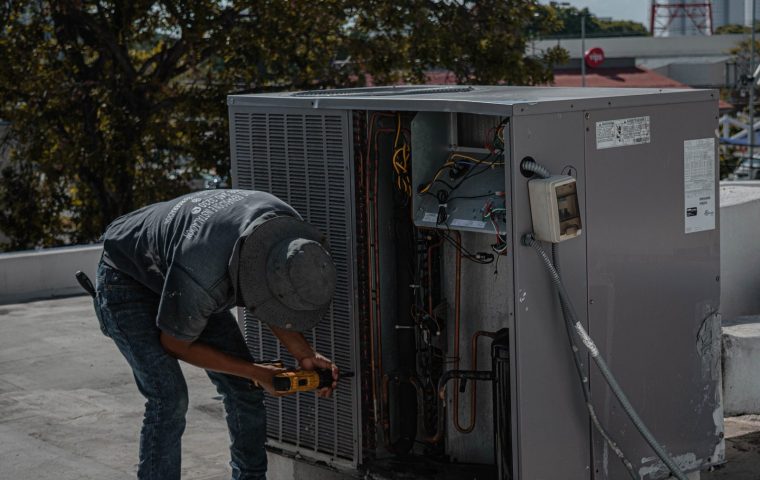

Last winter I pulled a 22-year-old furnace and condenser out of a 1,900-square-foot ranch outside Denver. The homeowner had been quoted three wildly different numbers, from $7,400 to $16,000, for what sounded like the same job. None of the quotes explained why. That spread is normal, and it almost always comes down to four things: system size, efficiency tier, the condition of the ductwork, and how much exterior and mechanical work the crew has to do that you never see.
A full HVAC replacement (furnace plus air conditioner, or a heat pump that does both) typically runs roughly $8,000 to $16,000 installed for an average single-family home. High-efficiency or multi-zone setups push well past $20,000. I want to walk through the pieces the way I'd explain them standing in your basement, so the next quote you read makes sense instead of feeling like a guess.
What a "Full HVAC System" Actually Includes
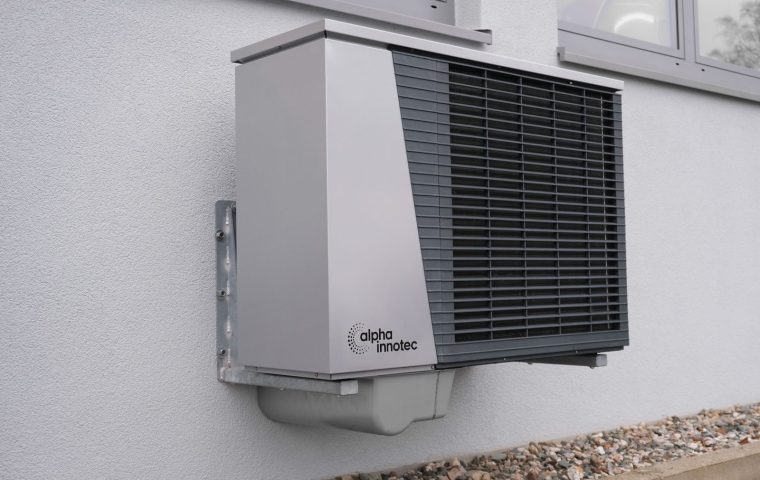
People say "new HVAC" and picture one box. In reality you're usually buying a matched pair: a heating unit (furnace or heat pump air handler) and a cooling unit (the outdoor condenser), plus the coil that ties them together. They have to be sized and rated to work as a set.
Here's an example. A common gas-and-electric combo includes an 80% or 96% efficient furnace inside, a 14-to-17 SEER2 condenser outside on a pad, an evaporator coil mounted above the furnace, a new thermostat, refrigerant lines, and a fresh electrical whip and disconnect. Skip any one of those and the system either won't pass inspection or won't run efficiently.
"Buying a bigger system means better comfort." Oversizing is one of the most frequent mistakes I see. An oversized AC short-cycles, never pulls humidity out of the air, and wears its parts faster. Correct sizing comes from a load calculation, not from rounding up "to be safe."
How Size Drives the Price
HVAC capacity is measured in tons (cooling) and BTUs (heating). One ton equals 12,000 BTU. A tight 1,200-square-foot home might need a 2-ton system, while a leaky 2,800-square-foot two-story can need 4 or 5 tons.
The equipment itself climbs with capacity, but so does the labor: bigger air handlers, heavier condensers, and more line set. As a rough guide, expect the cooling side to run about $1,500 to $2,500 per ton installed for mid-tier gear.
- 2-ton system (small home/condo): roughly $6,500 to $10,000 installed
- 3-ton system (average home): roughly $8,500 to $13,500 installed
- 4 to 5-ton system (large home): roughly $11,000 to $18,000 installed
A real load calc (sometimes called a Manual J) accounts for insulation, window count, ceiling height, and sun exposure. I've seen two identical-looking houses on the same street need different tonnage because one had an unfinished, uninsulated bonus room over the garage.
Efficiency Tiers and What They Cost
Efficiency is rated by SEER2 for cooling and AFUE for gas furnaces. Higher numbers mean lower monthly bills but a higher sticker price up front. The trick is matching the tier to how long you'll stay and what you pay for energy.
Standard, mid, and premium
A baseline 14-to-15 SEER2 single-stage system is the workhorse and the cheapest to install. A 16-to-18 SEER2 two-stage unit costs more but runs quieter and holds temperature better. Variable-speed, 18-plus SEER2 premium systems deliver the most even comfort and the lowest bills, but they carry the heaviest price and need a tech who knows how to commission them.
If you're staying five years or less, the payback on a premium variable-speed system rarely beats a solid mid-tier unit. I'd put that extra money into duct sealing or insulation first. Those upgrades make any system you buy work better.
Cost Breakdown by Line Item
This is where the mystery in those three quotes lived. Most homeowners only see one big number, but a fair estimate is built from parts. Here's how a typical 3-ton replacement on an average home tends to shake out.
| Line item | What it covers | Typical range (USD) |
|---|---|---|
| Equipment (furnace + condenser + coil) | Matched system, mid-tier efficiency | $4,000 - $7,500 |
| Labor | Removal, install, refrigerant charge, startup | $2,500 - $4,500 |
| New line set & electrical | Refrigerant lines, whip, disconnect, thermostat | $400 - $1,200 |
| Permits & inspection | Mechanical permit, code inspection | $150 - $600 |
| Pad, condenser placement, exterior work | Pad, brackets, sealing penetrations | $200 - $800 |
| Ductwork repair (if needed) | Sealing, modifications, new returns | $0 - $4,000+ |
Permits are not optional, even though some low-ball quotes quietly leave them out. An unpermitted install can haunt you at resale and voids many manufacturer warranties. If a quote is missing a permit line, ask why.
Ductwork: The Hidden Variable
You can bolt a perfect system onto bad ducts and still get bad results. Leaky, undersized, or crushed ducts can lose 20% or more of your conditioned air into the attic or crawlspace before it ever reaches a room.
Minor duct sealing and a few new boots might add $500 to $1,500. A full duct redesign or replacement in a two-story home can add $3,000 to $8,000. If your current system never cooled the upstairs, the ducts are usually the culprit, not the equipment.
If a contractor wants to reuse a decades-old return that's clearly undersized, push back. Starving a new high-efficiency air handler for airflow is like putting a garden hose on a fire truck. It'll run hot, trip on high pressure, and fail early.
What Pushes the Final Number Up or Down
Two homes can get quotes $5,000 apart for honest reasons. Knowing the levers helps you read an estimate and spot where you can save.
- Heat pump vs. gas furnace: Heat pumps cost more up front but can cut bills in mild climates and may qualify for rebates.
- Zoning and multiple units: A large home may need two systems, which roughly doubles equipment cost.
- Access and location: A furnace in a tight attic or a condenser that needs a crane runs higher in labor.
- Code upgrades: New gas lines, condensate pumps, or electrical panel work can add several hundred to a couple thousand dollars.
- Season and rebates: Off-season installs (spring, fall) and utility rebates can shave real money.
One more thing I always check: the roof and exterior. If your condenser sits under a problem area, or if the install requires roof penetrations for a new flue, you don't want surprises later. A small roof leak repair handled before the install beats finding water on a brand-new air handler. And if your old AC simply died, compare the cost of a standalone AC installation against a full system swap before you commit.
When Replacement Beats Repair
Not every aging system needs to go. A single bad capacitor or igniter is a cheap fix. The math tips toward replacement when the unit is 12-plus years old, the repair tops about a third of replacement cost, or you're feeding it money every season.
If your heat is the weak link, it's worth weighing the furnace repair versus replacement decision on its own before you commit to a whole-system buy. Sometimes one half of the system has years left, and pairing a new furnace to a healthy condenser saves thousands.
How long does a new HVAC system take to install?
A straightforward furnace-and-AC swap usually takes one full day. Add a day if ductwork needs modification, if access is tight, or if a zoning system or second unit is involved.
Do I really need a permit for an HVAC replacement?
Yes, in nearly every jurisdiction. The permit triggers an inspection that confirms gas, electrical, and venting are safe. Skipping it can void your warranty and create problems when you sell the home.
Is a heat pump worth the extra cost over a gas furnace?
In mild and moderate climates, often yes, especially with available rebates. In very cold regions a gas furnace or a dual-fuel setup usually makes more sense for both comfort and operating cost.
If you take one thing from this, let it be the line items. A clear estimate breaks out equipment, labor, permits, and ductwork so you can compare apples to apples. Get two or three quotes, ask each contractor to show their load calculation, and don't be shy about questioning a number you don't understand. A good installer will happily walk you through it, because the work you can't see is exactly the work that keeps the system running for the next 15 years.