
A homeowner I worked with last spring budgeted $9,000 for a "simple" backyard patio. By the time the project wrapped, the bill had crept past $15,000. Nothing went wrong, exactly. The grade needed correcting, a buried irrigation line had to be rerouted, and the stone she fell in love with cost three times the sample she first picked.
That story is not unusual. Outdoor projects have a sneaky way of inflating because so much of the cost lives underground, in the prep work, or in choices you make halfway through when the yard is already torn up. The visible part (the pretty pavers, the new fence) is rarely where the money disappears.
Below are seven outdoor projects that quietly blow the budget, why each one runs hot, and the move that keeps it from happening to you.
1. The Patio That Doubles in Price Because of the Ground Underneath
A patio looks like a flat surface problem. It is actually a site-prep problem. The base, the grading, and the drainage usually cost more than the stone or pavers sitting on top.
Excavation, a compacted gravel base, and proper slope can run roughly $6 to $12 per square foot before a single paver goes down. On a 300 square foot patio, that is $1,800 to $3,600 in groundwork you never see. Add a sloped or rocky lot and the number climbs fast.
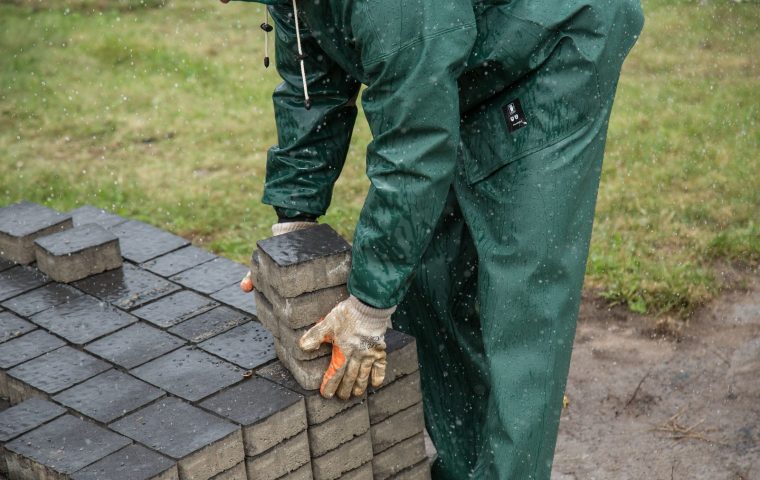
Material upgrades are the other trap. Standard concrete pavers might run $4 to $8 per square foot installed, but natural stone or porcelain can jump to $20 to $35. Picking the premium material mid-project is how a $4,000 patio becomes a $9,000 one.
The fix: Lock your material before excavation, not after. Ask for the base prep and the surface as separate line items in the quote so you can see what you are actually paying for. If the budget is tight, spend on a generous, well-drained base and a mid-tier paver rather than a thin base under expensive stone.
2. Drainage You Did Not Know You Needed
Water is the most expensive thing in any yard, and almost nobody budgets for it. You plan a patio or a new lawn, then discover the grade pushes runoff toward the house or pools in the low corner.
A basic French drain runs roughly $20 to $40 per linear foot installed. A regrading job to redirect surface water can land anywhere from $1,500 to $5,000 depending on how much soil has to move. Neither is glamorous, and both are easy to skip until water shows up in the basement.
I always tell people to watch their yard during one good rainstorm before they design anything. Where the water goes for free tells you where it will cost you later.
The fix: Get a drainage opinion before the design is final. Fixing slope while the yard is already excavated costs a fraction of tearing up a finished patio to add a drain you should have planned for.
3. Trees: The Line Item Everyone Forgets
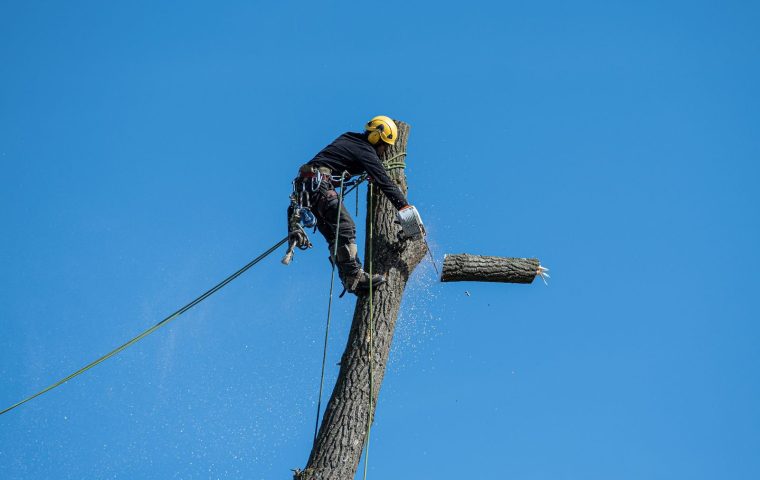
That mature oak shading the corner of the yard feels like an asset until it sits exactly where the new deck needs to go. Removing it is rarely cheap, and the cost varies wildly with size and access.
A small tree might come down for $300 to $700. A large one near the house, with no easy crane access, can run $1,500 to $4,000 or more once you add stump grinding and haul-away. If you are planning a project that touches existing trees, read up on what drives tree removal cost before you assume it is a minor expense.
The fix: Walk the site with your contractor and flag every tree, stump, and large root that sits in the project footprint. Removal is far cheaper to schedule up front than to discover once the crew is already on site charging by the day.
4. Decks That Inflate One Upgrade at a Time
Decks blow budgets through a thousand small "while we're at it" decisions. The base structure is predictable. The add-ons are not.
A pressure-treated deck runs roughly $20 to $40 per square foot installed. Switch to composite decking and you are at $40 to $65. Then come the extras: built-in benches, lighting, a pergola, fancier railing. Each one feels small in the moment, and together they can add 30 to 50 percent to the total.
The upgrades that move the price most
- Railing material: cable or glass railing can cost more than the deck boards themselves.
- Height and stairs: a raised deck needs more structure and a permit, often adding $1,000 to $3,000.
- Lighting and electrical: running power out to the deck is a separate trade and a separate bill.
The fix: Decide on your full feature list before you sign, then price it as one package. Saying "no" to an add-on is much easier on paper than when the framing is already up and the upsell sounds reasonable.
5. Outdoor Lighting and Electrical That Needs a Licensed Pro
Low-voltage path lights from a big-box store feel like a weekend project. The moment you want anything wired to your home's main power, an outlet by the patio, a hardwired fixture, a pool pump, you are in licensed electrician territory.
A new exterior outlet might run $200 to $500. Running a dedicated circuit out to a detached structure can hit $1,000 to $2,500, and a permit may be required. The cost is not the bulbs. It is the trenching, the conduit, and the labor.
The fix: Separate the two budgets in your head. Decorative low-voltage lighting is genuinely DIY-friendly and cheap. Anything tied to your panel should be quoted by a licensed pro and included in the project early, not bolted on after.
6. Fencing and Retaining Walls on Sloped or Difficult Lots
Flat-yard fence pricing is one thing. A slope, rocky soil, or a property line that needs a survey is another entirely.
A standard wood privacy fence runs roughly $25 to $45 per linear foot installed. Add a slope that requires stepped panels, hard digging, or removal of an old fence, and that number climbs. Retaining walls are the bigger surprise: a structural wall can run $30 to $60 per square face foot, and tall walls often need engineering and a permit.
Many areas require a permit and engineering for retaining walls over three or four feet. Skipping it can mean fines and a forced rebuild, which is the most expensive way to save money there is.
The fix: Get the property line confirmed before you build anything near it, and ask whether your wall height triggers a permit. If it does, build that cost in from the start rather than treating it as optional.
7. Mismatched Materials That Make the Whole Yard Look Cheaper
This one is less about a single big bill and more about wasted dollars. People buy good materials that do not talk to each other, then spend again to fix the clash.
New gray pavers against warm-toned brick on the house, or a fresh fence in a finish that fights your siding, reads as "off" even when each piece was expensive. If your home has a strong exterior material like brick or stucco, the yard should echo it. It is worth understanding your stucco and brick siding palette before you commit to hardscape colors, because matching after the fact usually means redoing work.
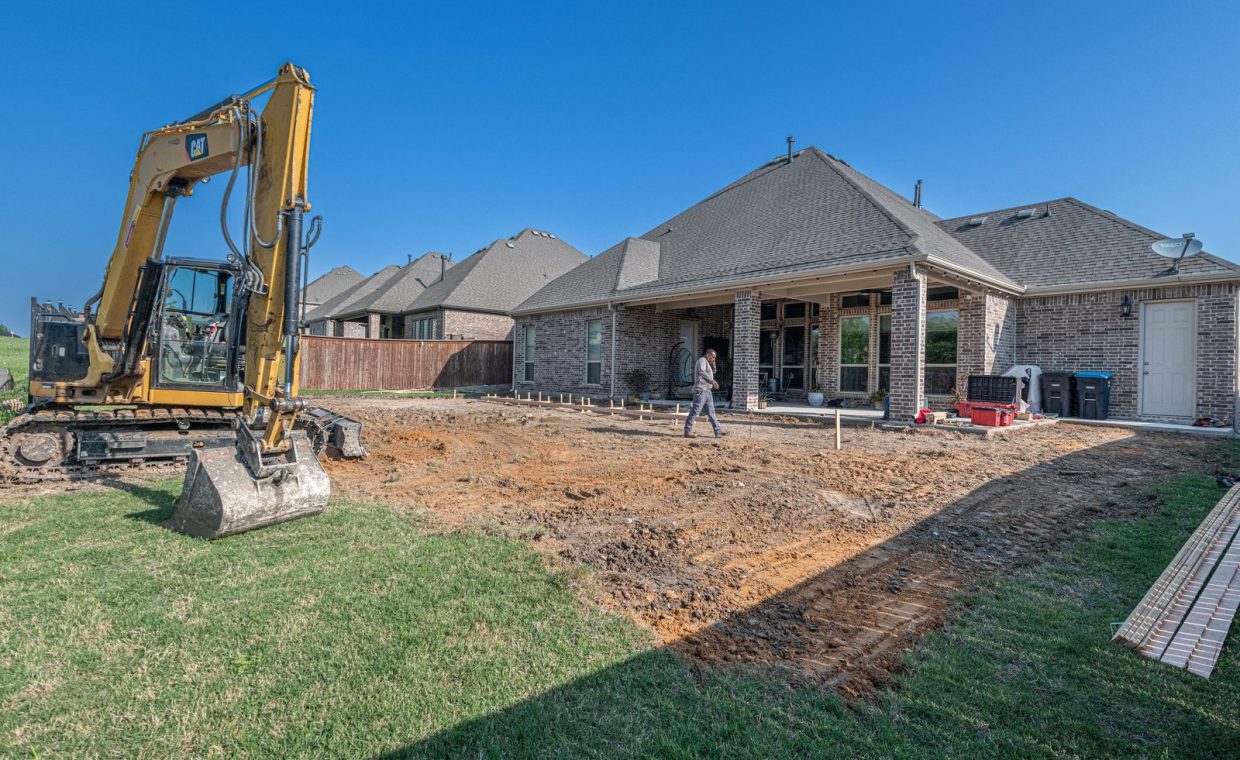
For a sense of how the pieces come together when they are planned as one palette rather than bought piecemeal, this backyard transformation case study shows the difference coordination makes.
The fix: Pull physical samples of your hardscape, fence, and any new surface together, outdoors, next to your existing siding, in daylight. Five minutes with samples on the lawn saves the cost of regret.
The budget rarely blows on the pretty surface. It blows on the prep underneath: drainage, grading, trees, electrical, and permits. Price those as their own line items, decide your features before you sign, and match materials to the house. That is most of the battle.
Frequently Asked Questions
How much buffer should I add to an outdoor project budget?
Plan for a contingency of 15 to 25 percent on outdoor work, more if your lot is sloped, rocky, or has mature trees. So much of the cost is hidden underground that surprises are normal rather than rare.
Which outdoor project gives the best return for the money?
A well-built patio or deck that connects cleanly to the house tends to deliver strong value and daily enjoyment. The key word is "well-built," meaning proper base, drainage, and materials that match your home, not the cheapest version that needs redoing in five years.
Do I really need permits for a backyard upgrade?
Often, yes. Raised decks, tall retaining walls, and any new electrical circuit commonly require permits. Check with your local building department early, because building first and permitting later is how people end up paying twice.
Outdoor projects are some of the most rewarding money you can spend on a home, but only when the dollars land where they add value and enjoyment instead of vanishing into avoidable surprises. Walk your yard in the rain, get your samples out on the grass, and put the boring stuff (drainage, permits, prep) at the top of the budget instead of the bottom. Do that, and the pretty part takes care of itself.