
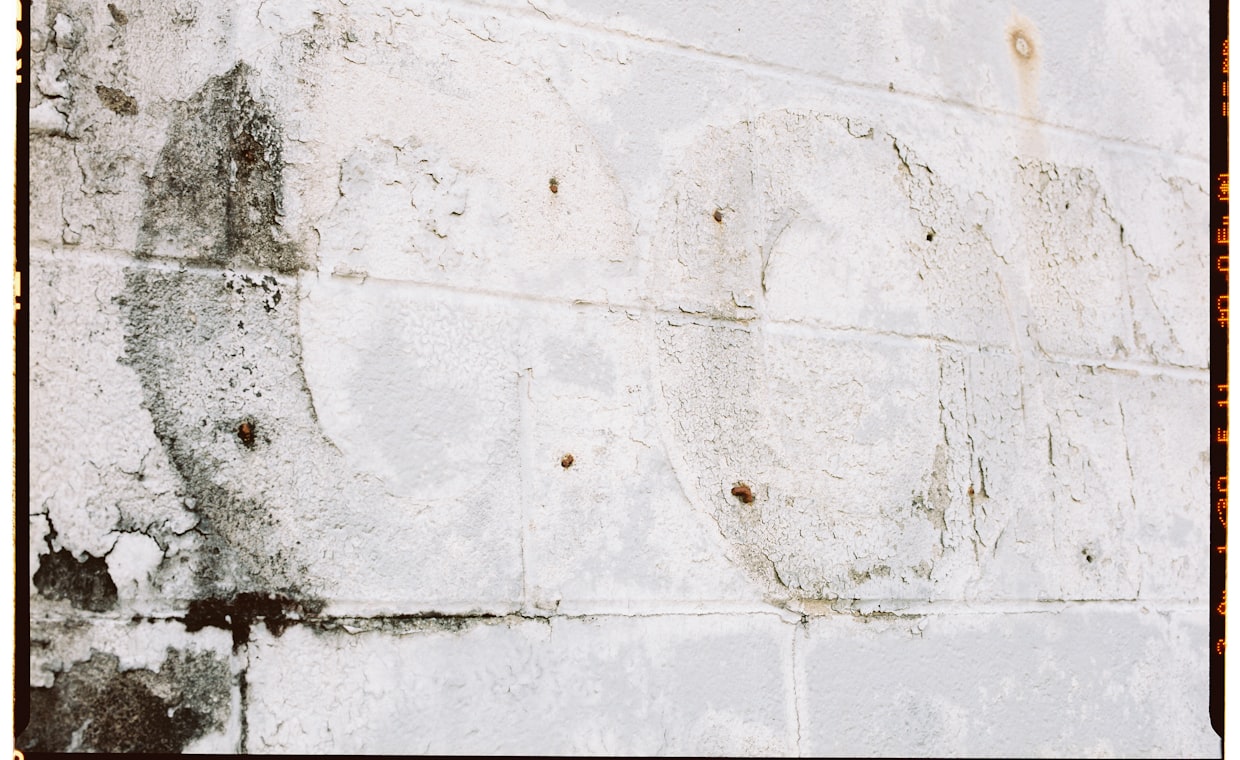
The first sign was a musty smell in the hall closet, the kind that hits you right when you open the door. Then a dark bloom the size of a dinner plate showed up on the drywall behind the water heater. By the time the remediation company handed over the estimate, it read $4,200, and the homeowner had gone from "it's just a little mildew" to "how did this get so expensive" in about a week.
That jump is normal, and it catches almost everyone off guard. Mold pricing is not really about the mold you can see. It is about how far the moisture traveled, what it landed on, and how much material has to come out to make the space safe again.
So let's map out what mold remediation actually costs in 2026, broken down by the two things that move the number most: the size of the affected area and how severe the growth is. I want you to walk into any estimate meeting knowing whether the price is fair.
What You Are Actually Paying For
Remediation is not the same as wiping a wall with bleach. A legitimate crew contains the area with plastic sheeting, runs negative-air machines and HEPA filtration, removes contaminated materials, treats what stays, and then verifies the air is clean before they call it done.
Most homeowners land somewhere between $1,500 and $6,000 for a typical job. Small, contained spots can be a few hundred dollars. Whole-house infestations tied to long-term leaks can climb past $25,000.
Remediation means removing mold and fixing the moisture source so it does not come back. Testing and the actual repairs to walls, floors, and paint are usually billed separately.
Cost by Size of the Affected Area
Square footage is the fastest way pros ballpark a job. The Environmental Protection Agency uses a rough line of 10 square feet: below that, many homeowners can handle it themselves, and above it, professional help is the smart call.
Here is how the numbers tend to stack up once you bring in a crew.
| Affected area | Typical cost | What it usually involves |
|---|---|---|
| Under 10 sq ft | $150-$500 | Single small patch, DIY-friendly, minimal containment |
| 10-30 sq ft | $500-$1,500 | One wall or closet, basic containment and cleanup |
| 30-100 sq ft | $1,500-$4,000 | Room-sized area, drywall removal, air scrubbing |
| 100-300 sq ft | $4,000-$9,000 | Multiple rooms or a full basement, heavier demolition |
| Whole house | $10,000-$30,000+ | Widespread growth, HVAC involvement, major rebuild |
Notice how the cost per square foot actually drops as jobs get bigger. Mobilizing the equipment and setting up containment carries a fixed cost, so small jobs feel expensive per foot while large ones spread that overhead out.
Cost by Severity and Mold Type
Two patches of the same size can price very differently. What matters is what the mold has grown into and how toxic the species is.
Surface mold on tile or sealed wood is the cheap end. Once growth soaks into porous materials like drywall, carpet, or insulation, those materials have to be cut out and replaced, and that is where labor stacks up.
Black mold and toxic species
People panic at the words "black mold." Stachybotrys does require careful containment and protective gear, which nudges costs up, but plenty of harmless molds are also dark colored. The color alone does not set the price. The material damage and the containment level do.
Be cautious with any contractor who quotes a scary "toxic black mold" premium before testing has confirmed the species. Fear-based upcharging is one of the most common ways homeowners overpay on remediation.
Where the Mold Lives Changes the Bill
Location drives cost as much as size does, because some spots are simply harder to reach and more expensive to rebuild.
- Bathroom: $500-$3,000. Common and usually contained, though tile and grout add labor.
- Basement: $2,000-$8,000. Often tied to standing water or chronic humidity.
- Attic: $2,000-$7,000. Roof leaks and poor ventilation, plus awkward access.
- Crawl space: $2,000-$6,000. Tight, dirty, and slow to work in.
- HVAC system: $3,000-$10,000. Ductwork spreads spores everywhere, so it is one of the priciest.
Basements deserve extra attention because they so often follow a flood. If your growth started with standing water, read our flooded basement case study to see how one family sequenced cleanup, drying, and remediation without paying twice.
The Costs People Forget to Budget
The remediation quote is rarely the final number. Mold is a symptom, and fixing the cause usually means separate line items.
First, you have to stop the moisture. If a leak or a burst pipe fed the growth, factor in water damage repair cost on top of the mold work, since the two problems travel together and one without the other is wasted money.
Then comes the rebuild. Once contaminated drywall, flooring, or trim comes out, someone has to put it back.
Budget for these add-ons before you sign anything:
- Mold inspection and lab testing: $300-$900
- Post-remediation clearance test: $200-$500
- Drywall, paint, and flooring rebuild: $1,000-$5,000+
- Fixing the moisture source (plumbing, roof, grading): varies widely
How to Keep the Price Fair
You have real leverage here, more than most people realize. A few habits keep you from overpaying without cutting corners on safety.
Get at least three written estimates, and make sure each one spells out square footage, containment method, and whether testing is included. Vague one-line quotes are a red flag.
Use an independent tester rather than letting the remediation company grade its own homework. When the crew that finds the mold is also the crew that clears it, the incentives get muddy.
Mold rarely stays cheap if you wait. A $500 bathroom patch can become a $5,000 wall replacement in a single humid season.
That waiting problem is exactly why mold sits high on our list of repairs not to delay. Every week of moisture is more porous material you will end up paying to remove.
The cheapest remediation is the one you never need. Managing humidity, fixing small leaks fast, and venting bathrooms are the kind of small moves that prevent expensive repairs down the road, and they cost a fraction of a real infestation.
Fast recap: Size sets the baseline (under $500 for a small patch, $10,000+ for whole-house). Severity and porous-material damage push it higher. Always budget separately for testing, the moisture fix, and the rebuild.
Is It Ever a DIY Job?
Yes, within limits. If the patch is under 10 square feet, on a hard nonporous surface, and you know the moisture source is fixed, a careful cleanup with proper gear is reasonable.
Once mold gets into drywall or the HVAC, or once anyone in the house has respiratory issues, hand it to a pro. The risk of spreading spores through the home during a botched DIY job usually costs more than the savings.
Does homeowners insurance cover mold remediation?
Sometimes. Coverage usually applies when the mold results from a sudden covered event, like a burst pipe, but not from long-term neglect or humidity. Read your policy's mold sublimit, which often caps payouts around $5,000-$10,000.
How long does mold remediation take?
A small contained job often wraps in one to three days. Larger jobs involving demolition, drying, and rebuilding can run one to three weeks, especially if the moisture source needs its own repair first.
Can I just paint over mold to save money?
No. Mold-resistant paint hides growth without killing it, and the mold keeps eating the material underneath. You will pay far more later when it resurfaces, so treat the source instead.
Mold pricing feels scary because it arrives with a musty smell and a lot of unknowns, but the math is knowable. Get the size measured, get the severity confirmed by someone independent, and budget for the moisture fix and the rebuild as separate items. Do that, and you will spend on the actual problem instead of on someone else's fear markup. You have got this.