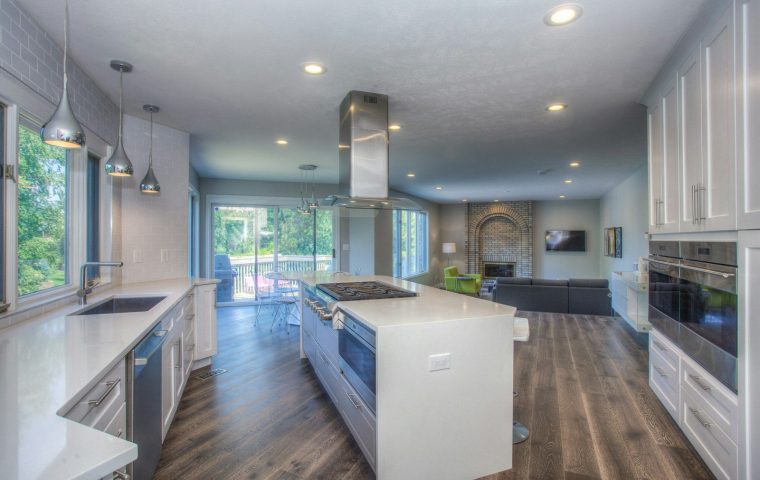

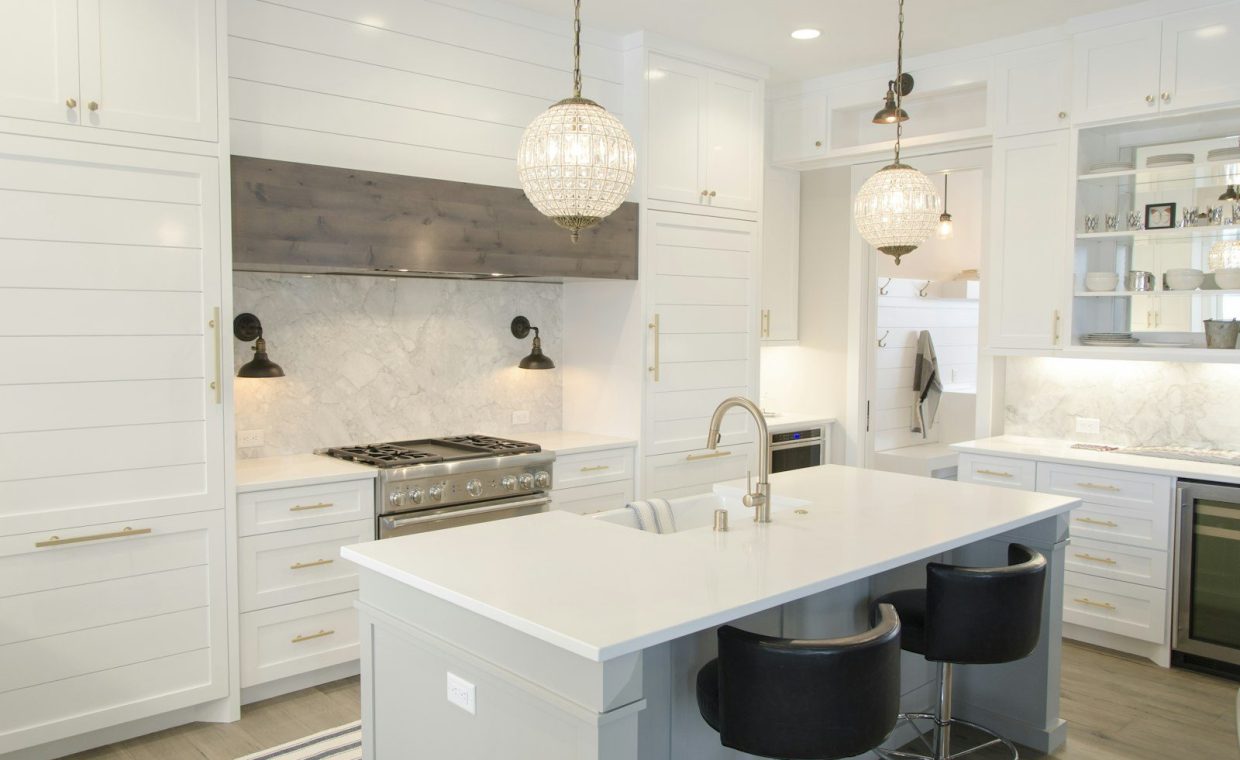
A homeowner called me last spring convinced she needed all new cabinets. Her boxes were solid oak from 1995, plumb and square, but the doors looked dated and one corner had water swelling. She had a quote for $24,000 to rip it all out. I walked her kitchen, knocked on a few boxes, and told her she could reface the whole thing for about $9,000 and get the look she wanted.
That gap is the whole story. Refacing keeps your existing cabinet boxes and swaps the visible surfaces, doors, drawer fronts, and a thin veneer over the frames. Replacing tears everything out and starts fresh. Both can give you a kitchen you love, but they cost wildly different money and solve different problems.
I have priced thousands of these jobs, and the deciding factor is almost never the doors. It is what is hiding behind them. Let me break down what each path really costs and where the money quietly leaks out.
What Refacing Actually Means
Refacing is cosmetic surgery for cabinets. A crew removes your old doors and drawer fronts, then applies a matching wood veneer or rigid thermofoil over the face frames and exposed cabinet sides. New doors, drawer fronts, hinges, and pulls go on top.
The boxes stay. That is the key. If your cabinet boxes are structurally sound, level, and laid out the way you like, refacing gives you a new face without touching plumbing, electrical, or your floor.
Refacing only makes sense if you are happy with your current layout. If you want to move the sink, add an island, or knock out a wall, refacing saves you nothing because you are reconfiguring the space anyway.
What refacing costs
For an average kitchen with 25 to 30 linear feet of cabinets, expect roughly $4,500 to $12,000 installed. The spread is wide because materials swing hard.
- Materials: roughly $2,500 to $7,000 depending on whether you choose laminate (cheapest), real wood veneer (mid), or solid wood doors (top).
- Labor: typically around $1,500 to $4,000 for a two to four day install.
- Hardware and extras: roughly $300 to $1,200 for soft-close hinges, pulls, and a few drawer upgrades.
A budget laminate reface on a small kitchen can land near $4,000. A full real-wood reface on a big kitchen with glass doors and crown molding can push past $13,000. Most of my clients land in the $7,000 to $9,000 range.
What Full Replacement Runs
Replacing means new boxes, new everything. This is where you get to fix bad layouts, add a pantry, deepen drawers, and change the footprint. It is also where the budget gets serious fast.
For the same 25 to 30 foot kitchen, new cabinets run roughly $8,000 to $30,000 installed, and high-end custom work climbs well above that.
- Stock cabinets: roughly $80 to $200 per linear foot. Off the shelf, limited sizes, fastest.
- Semi-custom: roughly $150 to $400 per linear foot. More finishes and sizes.
- Custom: roughly $500 to $1,200 per linear foot. Built to your exact space.
- Labor for demo and install: typically around $2,000 to $6,000.
Replacement triggers ripple costs people forget. Once cabinets come out, you often need new countertops (the old ones rarely survive removal), backsplash repair, paint, and sometimes flooring patched where the old footprint sat. Budget an extra 20 to 30 percent for these. This is one of the classic remodeling budget mistakes I see homeowners make.
The Side-by-Side Numbers
Here is how the two stack up on the things that actually matter to your wallet and your weekends.
| Factor | Refacing | Full Replacement |
|---|---|---|
| Typical total cost | $4,500 - $12,000 | $8,000 - $30,000+ |
| Project length | 2 - 4 days | 2 - 6 weeks |
| Expected lifespan | 10 - 15 years (veneer), longer with solid wood doors | 20 - 40 years |
| Upkeep | Low; wipe-down, occasional hardware tightening | Low; same as any new cabinet |
| Layout changes | None possible | Full freedom to reconfigure |
| Biggest risk | Hidden box rot or warping you paid to cover, not fix | Budget overrun from ripple costs |
| Kitchen downtime | Minimal; usable most of the project | Significant; often no kitchen for weeks |
When Refacing Beats Replacing
Refacing wins when three things are true. Your boxes are solid, your layout works, and you mainly want a fresh look. If you check all three, refacing gives you 80 percent of the visual payoff for 40 percent of the cost.
I tell clients to open a lower cabinet and look at the back corners. If the particleboard is swollen, crumbling, or smells musty, refacing is throwing good money after bad. You would be wrapping a pretty face around a failing structure.
Refacing also shines when you are selling soon. A buyer sees clean, modern doors, not the 1990s box underneath. For resale prep, it is hard to beat the cost-to-impact ratio. If you are watching every dollar on a remodel, our guide on how to cut remodeling costs pairs well with a refacing plan.
When You Should Just Replace
Replace when the bones are bad or the layout fights you daily. Rotted boxes, sagging shelves, doors that never aligned, or a cramped triangle that makes cooking miserable, these are not cosmetic problems.
Replace also if you are already opening walls. If you are moving the sink or relocating the range, you are into plumbing and electrical anyway. At that point the boxes have to come out, so refacing saves nothing.
Refacing almost never needs a permit since you are not touching structure, plumbing, or wiring. Full replacement that moves a sink, adds circuits, or relocates appliances often does. Check your local rules early; our explainer on whether you need a permit covers when this applies. A skipped permit can stall a future sale.
One more case for replacement: deep functional upgrades. If you want full-extension drawers throughout, pull-out pantries, and built-in organizers, new cabinets are engineered for that. Refacing can add some, but you are limited by the old box dimensions.
The Verdict
For most homeowners with sound boxes and a layout they can live with, refacing is the smart play. You save five figures, keep your kitchen usable, and the result looks new to anyone but a contractor with a flashlight.
Go full replacement only when the structure is failing, the layout genuinely hurts your daily routine, or you are already gutting the space for other reasons. In those cases refacing is a band-aid you will regret, and the money is better spent doing it right once.
My rule of thumb after all these years: if you would not change a single cabinet position, reface it. If you find yourself sketching a new floor plan, replace it. The kitchen will tell you which one you are.
Does refacing add value when I sell?
It can, especially for kitchens that looked dated. Buyers respond to clean, current door styles, and the modest cost means you usually recover most of it. Just do not expect the same return as a full remodel that also fixes layout and storage.
How long does refaced cabinetry last?
Real-wood veneer and solid doors hold up 10 to 15 years easily, often longer with care. Cheap laminate can peel at the edges sooner, especially near heat or steam. The boxes underneath last as long as they would have anyway, which is why box condition matters so much.
Can I reface only part of the kitchen?
Yes, but matching gets tricky. New doors and veneer should be ordered together so finishes line up. Mixing a reface on one wall with old cabinets on another rarely looks intentional, so plan the whole visible run at once even if you phase the work.
Walk your own kitchen before you call anyone. Open the doors, knock on the boxes, look at the corners, and ask yourself if the layout actually annoys you. That five-minute check tells you more about which path to take than any quote will. Price both if you can, then choose with your eyes open.