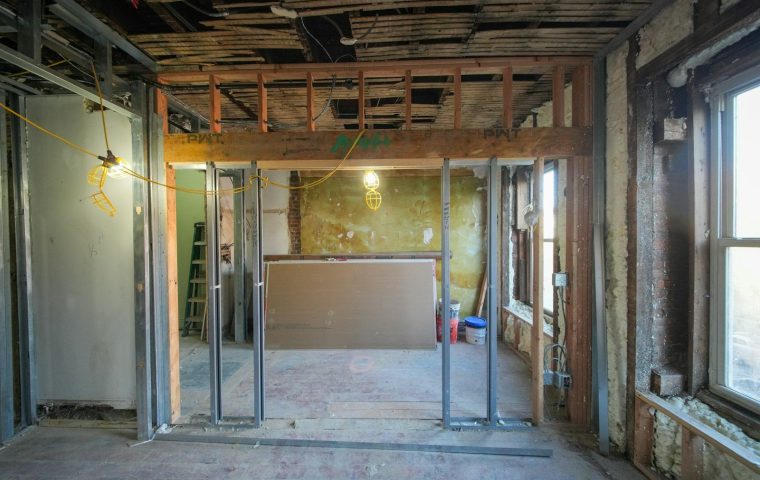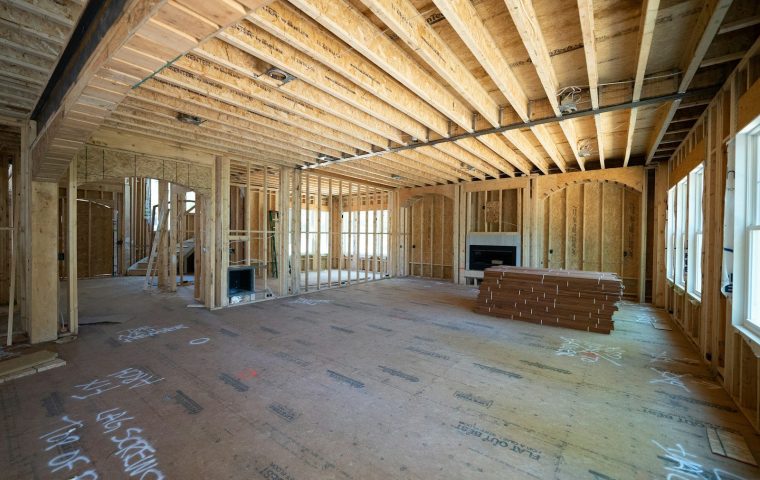

A homeowner called me a few years back, panicked. He had finished a beautiful basement with a wet bar and a new bathroom, and now he was trying to sell. The buyer's inspector asked one simple question: where are the permits? There weren't any. That little gap cost him close to $9,000 in retroactive permit fees, an electrician to open up finished walls, and two months of delay while the city signed off on work that was already buried behind drywall.
I have priced thousands of jobs, and the permit line is the one people argue with me about most. It feels like a tax on your own house. But a permit is really just the city agreeing, in writing, that your remodel meets code and won't burn down or flood the place. Skip it and you are betting the cost of the permit against the cost of getting caught.
Here is what actually needs a permit, what those permits run, and where the money quietly disappears when you guess wrong.
What a Building Permit Actually Is
A building permit is permission from your local building department to do specific work, plus a promise that an inspector will check it. You pull the permit before the work starts, the inspector visits at set stages, and you get a final sign-off when it passes.
The fee covers plan review and those inspections. It is not a fine and it is not optional for structural, electrical, plumbing, or mechanical changes. Think of it as buying the city's signature.
Example: You move a kitchen sink three feet to the left. That is new plumbing in a new spot, so it needs a plumbing permit. An inspector confirms the drain slope and venting are right before the cabinets close it all in.
"It's my house, I can do what I want." You own the house, but the city owns the code. Permits run with the property, not with you, so unpermitted work becomes the next owner's problem and, eventually, yours again at resale.
Which Remodel Work Needs a Permit
The fastest way to think about it: if you are changing the bones, the wiring, the pipes, or the air, you almost certainly need a permit. Cosmetic swaps usually do not.
Almost always needs a permit:
- Moving or removing walls, especially load-bearing ones
- New electrical circuits, panel upgrades, or rewiring
- Relocating plumbing fixtures or running new supply and drain lines
- Adding or moving HVAC, ductwork, or a water heater
- Finishing a basement or attic into living space
- Decks over a certain height, and most additions
- Window or door openings that change the framing
Usually does not need a permit:
- Painting, flooring, and trim
- Replacing cabinets or countertops in the same footprint
- Swapping a faucet, toilet, or light fixture in the existing location
- Tiling a backsplash
The catch is that rules vary by city and county. I have worked in towns where a like-for-like water heater swap needs a permit and the next town over where it does not. When in doubt, a two-minute call to the building department settles it.
What Permits Actually Cost
Permit fees are usually tied to the value of the work, with a base fee plus a percentage. A small job might be a flat $50 to $150. A full remodel can stack several permits, and the math adds up fast.
| Project | Typical permit cost | What it covers |
|---|---|---|
| Water heater or single fixture swap | $50 - $200 | One plumbing or mechanical permit |
| Electrical panel upgrade | $100 - $500 | Electrical permit and inspection |
| Bathroom remodel (moving fixtures) | $300 - $1,000 | Plumbing, electrical, sometimes building |
| Kitchen remodel (layout change) | $500 - $1,500 | Building, electrical, plumbing, mechanical |
| Basement finish | $1,000 - $3,000 | Building, electrical, plumbing, HVAC, egress |
| Room addition | $1,500 - $5,000+ | Plan review, structural, full trades |
These are illustrative ranges, not quotes. High-cost-of-living metros and big cities tend to sit at the top of each band, and projects that need engineered drawings add design fees on top.
Permits as a Slice of the Whole Budget
On most remodels, permits land somewhere around 1 to 2 percent of the total project cost. On a kitchen, that is real but small. If you are budgeting a project, my detailed breakdown of kitchen remodel costs and the companion bathroom remodel cost guide fold the permit line into the larger picture so you can see where it sits next to labor and materials.
Who Pulls the Permit, You or the Contractor
On the jobs I run, I pull the permits. A licensed contractor is on record as responsible for the work, which means the inspections are my problem to pass, not yours. That is the way it should be.
Be wary if a contractor asks you, the homeowner, to pull an "owner-builder" permit on your own house. Sometimes it is legitimate. Often it is a sign the contractor is not licensed or wants the liability sitting on you instead of them.
Get the permit number and write it into your contract. Then check that inspections were actually scheduled and passed. A pulled permit that never gets a final sign-off is an open permit, and an open permit can stall a sale just as badly as no permit at all.
The Real Cost of Skipping Permits
Skipping a permit feels like saving a few hundred dollars. The downside is rarely a few hundred dollars.
If you get caught, most cities charge double or triple the original permit fee as a penalty. Then they can make you open up finished work so an inspector can see the wiring or plumbing behind it. I have torn out brand-new tile to expose a drain that could have been inspected in five minutes before it was covered.
Where it really bites:
- Resale. Inspectors and appraisers flag unpermitted square footage. Buyers walk or demand a price cut.
- Insurance. If unpermitted work causes a fire or a flood, your insurer can deny the claim.
- Retroactive permits. Legalizing old work means fees, exposing finished surfaces, and sometimes bringing everything up to current code.
That basement I mentioned at the start is the classic case. The work was fine. The paperwork was not, and the paperwork is what cost him.
Unpermitted additions can also throw off your property tax records and your home's official square footage. When the discrepancy surfaces at sale, you may owe back taxes on top of the permit penalties.
How to Keep Permit Costs Predictable
You cannot negotiate a permit fee down, but you can keep it from surprising you. Ask your contractor for the permit list and rough fees before you sign, and make sure those numbers live in the written estimate, not in someone's head.
Permits are exactly the kind of line item that gets forgotten until the bill arrives, which is why I treat them as a planned cost from day one. If you want a framework for catching these before they ambush your budget, our guide on planning for surprise renovation costs walks through the usual suspects, permits included.
Build a small cushion, usually 10 to 15 percent of the project, for permit fees, possible plan revisions, and any code upgrades the inspector requires. Spend it and you were ready. Do not spend it and you have a head start on the next project.
Do I really need a permit for a small bathroom remodel?
If you are only swapping a faucet, toilet, or vanity in the same spot, usually no. The moment you move plumbing, add a circuit, or change the layout, yes. A quick call to your local building department gives you a definite answer for your specific job.
What happens if I already did work without a permit?
You can usually apply for a retroactive permit. Expect to pay a penalty fee, possibly expose finished work for inspection, and bring the work up to current code. It costs more than doing it right the first time, but it clears the record before resale.
Can I pull the permit myself to save money?
You can on your own home as an owner-builder, but the permit fee is the same whether you or your contractor pulls it. Pulling it yourself just shifts the responsibility for passing inspections onto you. For most people, having a licensed contractor pull and own the permit is worth it.
I know permits feel like paying the city to do your own remodel. But that signature is what protects your resale, your insurance, and the next person who lives in the house. Budget for it, let your contractor handle it, and it becomes a quiet line item instead of a $9,000 surprise. Pay the small fee now so you never have to open a finished wall later.