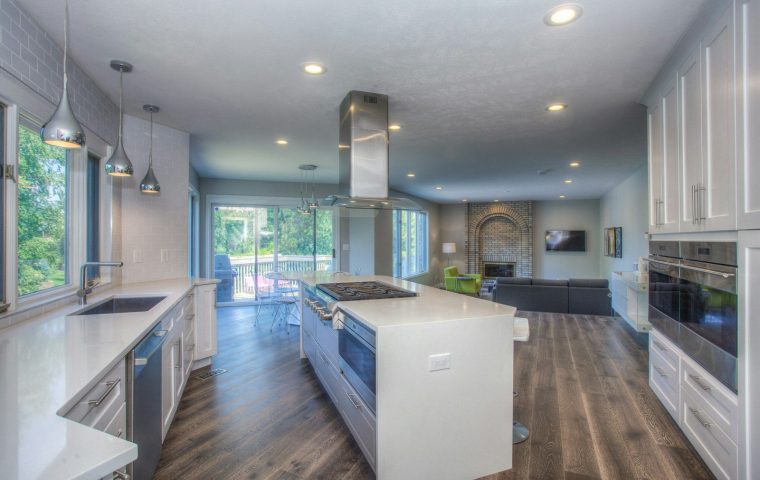

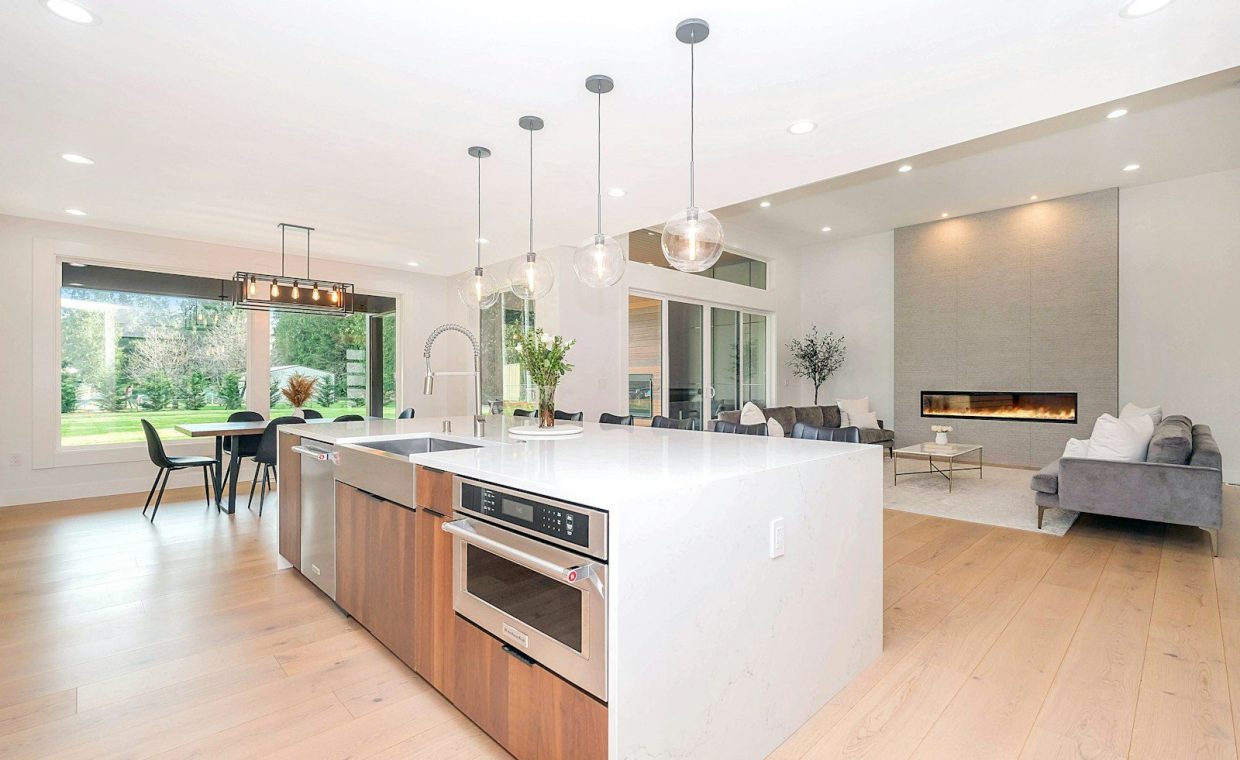
Last spring I priced a kitchen for a couple in a 1970s ranch. They had a number in their heads, $25,000, picked up from a TV show. The actual scope they wanted, new cabinets, a quartz island, moved plumbing, and a wall taken out, landed closer to $58,000. That gap is the conversation I have on nearly every job.
A kitchen remodel is the most expensive room in most houses to redo, and the price swings wildly depending on choices most homeowners do not think about until the estimate lands. Two kitchens the same size can cost $30,000 apart because one kept its layout and the other chased a magazine photo.
Here is what the work really costs in 2026, broken into the line items that actually move your number, plus the surprises that show up once the walls are open. I have priced thousands of these, and I will tell you where the money quietly disappears.
What a Kitchen Remodel Costs at Each Tier
Most kitchen projects fall into three buckets. A minor refresh keeps the layout, swaps surfaces, and updates appliances. A mid-range remodel replaces cabinets and counters but stays inside the existing footprint. A high-end gut job moves walls, relocates plumbing, and uses custom everything.
For a typical 150 to 200 square foot kitchen, here is roughly where each tier lands. These are total project numbers, materials plus labor.
| Tier | Scope | Typical Total |
|---|---|---|
| Refresh | Paint, hardware, countertops, one or two appliances, keep cabinets | $12,000 - $25,000 |
| Mid-range | New stock or semi-custom cabinets, quartz counters, all new appliances, same layout | $30,000 - $55,000 |
| High-end | Custom cabinets, stone counters, moved walls and plumbing, premium appliances | $65,000 - $120,000+ |
The jump from refresh to mid-range is mostly cabinets. The jump from mid-range to high-end is mostly layout changes, because moving plumbing and electrical is where labor hours pile up fast.
Where the Money Actually Goes
People assume countertops or appliances are the budget killer. They are not. Cabinets and labor together usually eat more than half the job. Here is how a $45,000 mid-range kitchen typically splits.
| Line Item | Share of Budget | Typical Range |
|---|---|---|
| Cabinets | About 30% | $8,000 - $20,000 |
| Labor (install, demo, trades) | About 25% | $8,000 - $18,000 |
| Countertops | About 12% | $2,500 - $7,000 |
| Appliances | About 12% | $3,000 - $12,000 |
| Flooring | About 7% | $1,500 - $5,000 |
| Plumbing and electrical | About 7% | $2,000 - $6,000 |
| Permits, design, surprises | About 7% | $1,500 - $5,000 |
Cabinets: the biggest single decision
Stock cabinets run roughly $100 to $300 per linear foot. Semi-custom lands around $150 to $650. Full custom starts near $500 and climbs past $1,200 per linear foot. A standard kitchen has 25 to 30 linear feet, so the difference between stock and custom can be $20,000 on its own.
My honest advice: semi-custom plywood boxes with soft-close hardware get you 90% of the look of custom at a fraction of the price. Most people cannot tell the difference once it is installed.
Countertops: priced by the square foot, installed
Laminate runs about $20 to $50 per square foot installed. Quartz and granite land around $50 to $120. Marble and high-end quartzite push $80 to $200. A typical kitchen has 40 to 55 square feet of counter, so quartz on a mid-size kitchen is usually $2,500 to $6,000 all in.
The Surprises That Blow Up Budgets
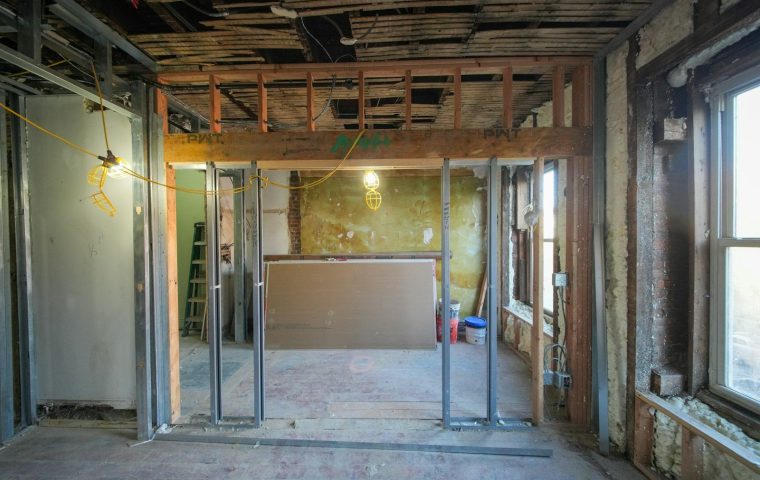
Here is where the money quietly disappears. Once demo starts and the walls open up, we find things no estimate could have predicted. I tell every client to hold back a real contingency, not a token one.
On a $45,000 kitchen, that is $7,000 to $9,000 you do not spend unless something goes wrong. On older homes, lean toward 20%. The houses that surprise me most were built before 1980.
The usual culprits: outdated wiring that fails code and needs a new circuit, galvanized plumbing that has to be replaced once it is exposed, subfloor rot under an old dishwasher, and walls that are not square, which means custom scribing on the cabinet install. Any one of these adds $1,000 to $4,000.
Moving the sink or stove is the quiet budget killer nobody plans for. Relocating plumbing even a few feet can add $1,500 to $5,000 once you account for the plumber, the electrician, and patching the floor and walls afterward. Keeping your existing layout is the single biggest way to save real money.
How to Keep the Number Down
You do not have to spend top dollar to get a kitchen you love. The savings live in a few specific decisions, not in cheaping out across the board.
- Keep the existing layout. Moving walls and plumbing is where labor multiplies.
- Reface or repaint solid cabinet boxes instead of replacing them. Refacing runs $4,000 to $10,000 versus $12,000+ for new.
- Pick quartz in a standard color. Exotic stone slabs and unusual edges cost more to fabricate.
- Buy appliances during holiday sales. A package deal can save $1,000 to $2,000.
- Do your own demo and painting if you are handy. That alone can shave $1,500 to $3,000.
Estimates on the identical scope can vary by 30% or more. Before you sign anything, learn how to compare contractor quotes line by line so you are not comparing a bare-bones bid against an all-inclusive one.
How a Kitchen Fits Your Bigger Plans
If you are remodeling more than one room, the math changes. Doing the kitchen at the same time as other work can share permit and trade costs, which is why a whole-home renovation budget often pencils out better per room than a string of one-off projects.
The kitchen also tends to set the tone for the rest of the house. Plenty of my clients tackle it first, then carry the same finish quality into the next phase. If a bathroom is on your list too, the cost drivers rhyme, and a bathroom remodel cost breakdown follows the same logic of layout, surfaces, and the surprises behind the wall.
If your home is worth $400,000, spending more than $80,000 on the kitchen rarely pays back at sale. As a rough rule, keep a kitchen remodel under 15% of your home's value unless you plan to stay a long time.
How long does a kitchen remodel take?
A refresh runs two to three weeks. A mid-range remodel with new cabinets usually takes four to six weeks. A full gut with moved walls can run eight to twelve weeks, longer if custom cabinets are on a backorder.
Should I pay for a designer?
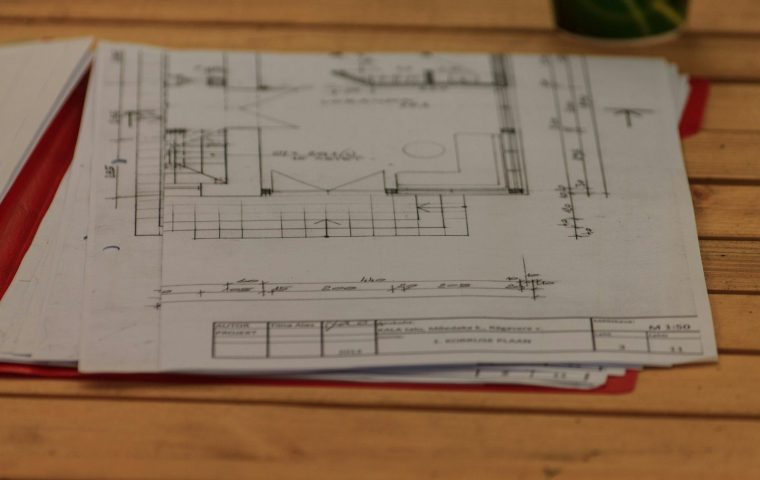
For a refresh, usually no. For a mid-range or gut job, a designer or kitchen planner costing $1,500 to $5,000 often saves more than that by catching layout mistakes before they are built. A bad cabinet order is expensive to fix.
What is the cheapest way to update a dated kitchen?
Paint the existing cabinets, swap the hardware, replace the countertop, and update the faucet and lighting. That package can transform a kitchen for $5,000 to $10,000 while you keep the boxes and the layout exactly as they are.
Set a number you can live with, then add a real cushion on top before you fall in love with a single tile. The homeowners who finish happy are the ones who planned for the surprise, not the ones who got the lowest bid. Price it honestly up front, and the kitchen at the end feels a lot less expensive than the one you worried about.