
The first time I opened a wall in a 1920s bungalow and saw knob-and-tube wiring still feeding the kitchen, the homeowner was standing right behind me with a coffee. She asked if it was "fine for now." I pointed at a cloth-insulated splice sitting on top of blown-in attic insulation, which is basically a heat blanket over a 100-year-old wire, and told her no, it was not fine for now.
That conversation ends the same way on most old houses. A full rewire on a typical 1,500 to 2,000 square foot home runs roughly $12,000 to $25,000, and partial jobs land anywhere from $3,000 to $10,000 depending on how much wall we have to open. Those are big numbers, so let me walk you through where the money actually goes and which parts you never see.
I have pulled wire through more plaster-and-lath than I can count, and the price almost never comes down to the copper. It comes down to access, labor hours, and the patch-and-paint nobody budgets for.
What "rewiring a house" actually means
Rewiring means replacing the wires that run inside your walls, plus the outlets, switches, and usually the panel that feeds them. It is not the same as swapping a few outlets or adding a circuit for a window AC unit.
A full rewire replaces every branch circuit in the home. A partial rewire targets the dangerous stuff, like the knob-and-tube in the attic or the aluminum branch wiring to bedrooms, and leaves modern sections alone.
Here is an example. On a two-story Colonial I worked last year, the upstairs was untouched 1940s wiring and the basement had been redone in the 90s. We did a partial: rewired the second floor and the main floor, left the basement, and tied it all into a new panel. That scope decision saved the owner about $6,000.
"If the lights work, the wiring is safe." Plenty of failing systems power your lamps just fine right up until a hidden splice overheats. Function is not the same as safety, especially with knob-and-tube buried in insulation.
Why knob-and-tube and aluminum are different animals
Knob-and-tube was standard before the 1950s. It has no ground wire, the insulation gets brittle, and it was never designed to sit inside modern blown-in insulation, which traps heat against the conductor. Insurers know this, and a lot of them will not write a policy on a house that still has live knob-and-tube.
Aluminum branch wiring shows up in homes built roughly between 1965 and 1973. The metal expands and contracts more than copper, so connections loosen over time and the spots where it meets switches and outlets can heat up. That is the failure point.
The cheaper aluminum fix
You do not always have to rip out aluminum. A licensed electrician can install AlumiConn or COPALUM connectors at every device, which pigtails copper onto the aluminum at each splice. That remediation typically runs around $5,000 to $9,000 for a whole house, versus a full tear-out rewire that can double it.
Get the connector remediation quote and the full-rewire quote on the same visit. If the panel is also obsolete, the math often tips toward the full job because you are already paying for the labor to be in those walls.
The cost breakdown most quotes don't itemize
When you get a flat "rewire" number, it bundles a lot together. I like homeowners to see the pieces, because that is how you spot what a contractor padded or skipped.
| Line item | Typical range (USD) | What drives it |
|---|---|---|
| Labor (rough-in and trim) | $6,000 - $15,000 | Square footage, wall access, number of devices |
| Wire and materials | $1,500 - $4,000 | Copper price, romex vs conduit, device count |
| New main panel (200A) | $2,000 - $4,500 | Service upgrade, meter relocation |
| Permits and inspection | $200 - $900 | Local jurisdiction, number of inspections |
| Drywall/plaster patch and paint | $1,500 - $5,000 | Plaster-and-lath costs far more than drywall |
| Exterior service and grounding | $800 - $2,500 | Mast, grounding rods, utility coordination |
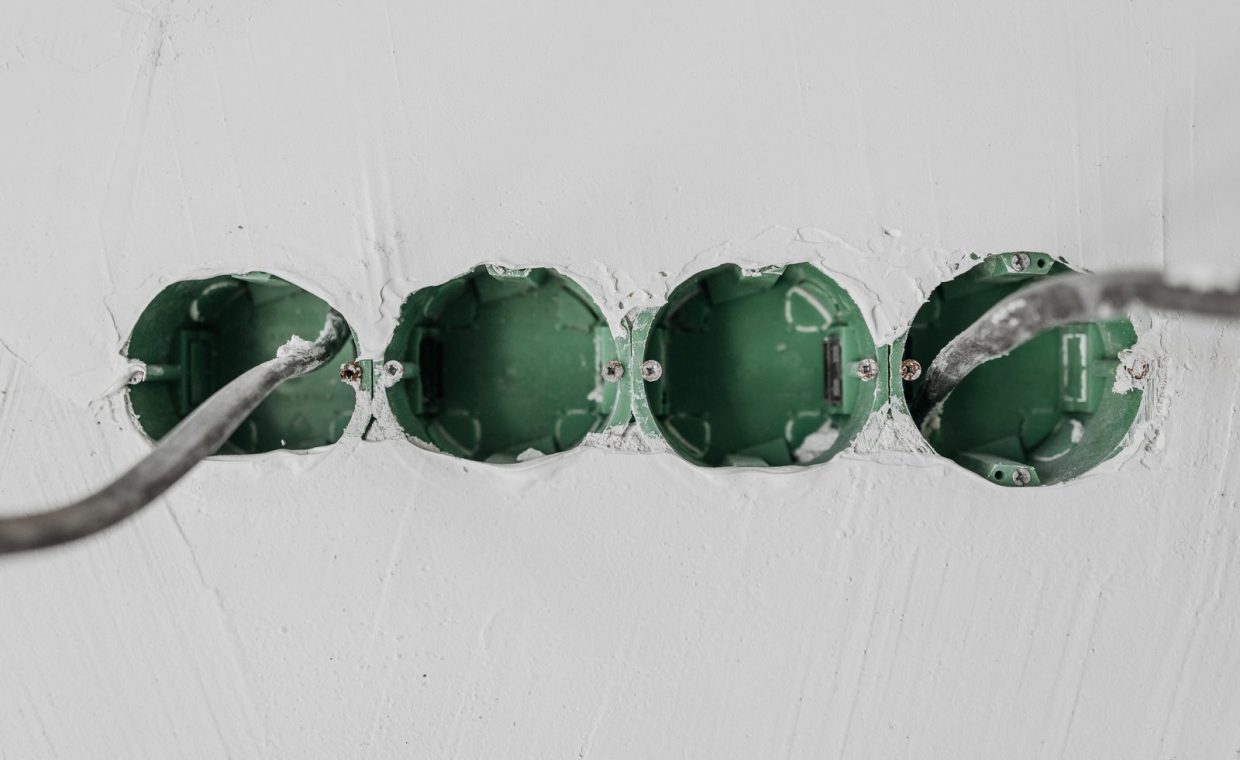
Notice that patching is its own line. Electricians cut access holes to fish wire, and someone has to close them back up. If your quote does not mention drywall, ask who owns that work before you sign.
The exterior and mechanical work nobody mentions
Most homeowners picture wires in walls and stop there. The part I spend real time on is outside and overhead.
A full rewire on an old house usually triggers a service upgrade, which means a new mast and weatherhead where the utility line meets your roof, fresh grounding rods driven into the earth, and a bonded water and gas line. On older homes the grounding is often a single rusted clamp on a pipe, which does nothing in a fault.
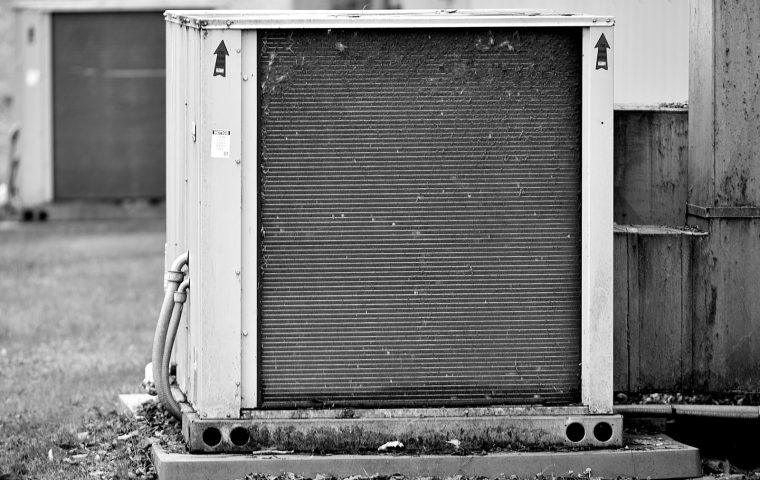
There is also coordination with the power company to drop and reconnect service, and that can add a day where nobody is doing visible work but the clock is still running. This hidden mechanical layer is the same kind of behind-the-scenes labor that surprises people in an HVAC replacement case study, where the equipment cost is half the story and the connections are the rest.
If a bid is thousands below the others, check whether it includes the panel, the service upgrade, and the patching. A "wires only" rewire that leaves you with an obsolete panel and open walls is not a deal.
What moves your price up or down
Two houses the same size can quote $8,000 apart. Here is what swings it.
- Wall type. Plaster-and-lath is slower to open and pricier to patch than drywall. Add 15 to 30 percent on labor.
- Access. An unfinished basement and a walkable attic let us fish wire without cutting much. A finished slab home with no crawlspace means a lot of holes.
- Device count. More outlets, switches, and fixtures means more terminations, and modern code wants more outlets than your old house has.
- Occupied vs empty. Working around furniture and a family living there is slower than an empty house mid-renovation.
If your floors are already getting opened up for other reasons, that is the moment to rewire cheaply. I have done it during a sagging floor repair when the subfloor was already up, and pulling wire through exposed joists cost a fraction of fishing it blind.
Timing it with other big upgrades
If you are planning electric-hungry equipment, sequence it with the rewire. Dropping in a heat pump or an EV charger needs panel capacity and a dedicated circuit, and it is far cheaper to size the panel once than to upgrade it twice.
I tell people to make a five-year list. If a heat pump, an induction range, or a hot tub is on it, your electrician should plan the load now so the new panel has room.
Full rewire: roughly $12,000 to $25,000. Partial or aluminum remediation: roughly $3,000 to $10,000. The wire is cheap. Labor, the panel, the service upgrade, and the patching are where your dollars go.
Can I live in the house during a rewire?
Usually yes, though expect rooms to lose power in shifts and some dust from access holes. An empty house is faster and a little cheaper, but most families stay put and work around the crew.
Does a rewire really lower my insurance?
Often it makes coverage possible at all. Several carriers refuse policies on live knob-and-tube or unremediated aluminum, so removing those can move you from "uninsurable" to a standard rate.
Is a partial rewire a safe compromise?
It can be, if a licensed electrician targets the genuinely hazardous circuits and the panel can support the mix. The risk is leaving old wiring that fails later, so get the scope in writing.
If you take one thing from a tradesman who has crawled through these attics, it is this: get two or three itemized bids and read the patching and permit lines, not just the total. A good rewire is invisible when it is done, which is exactly why it is worth paying to do right. Pull the panel cover, look for cloth wire or aluminum stamps, and call a licensed electrician before the insurance company calls you.