
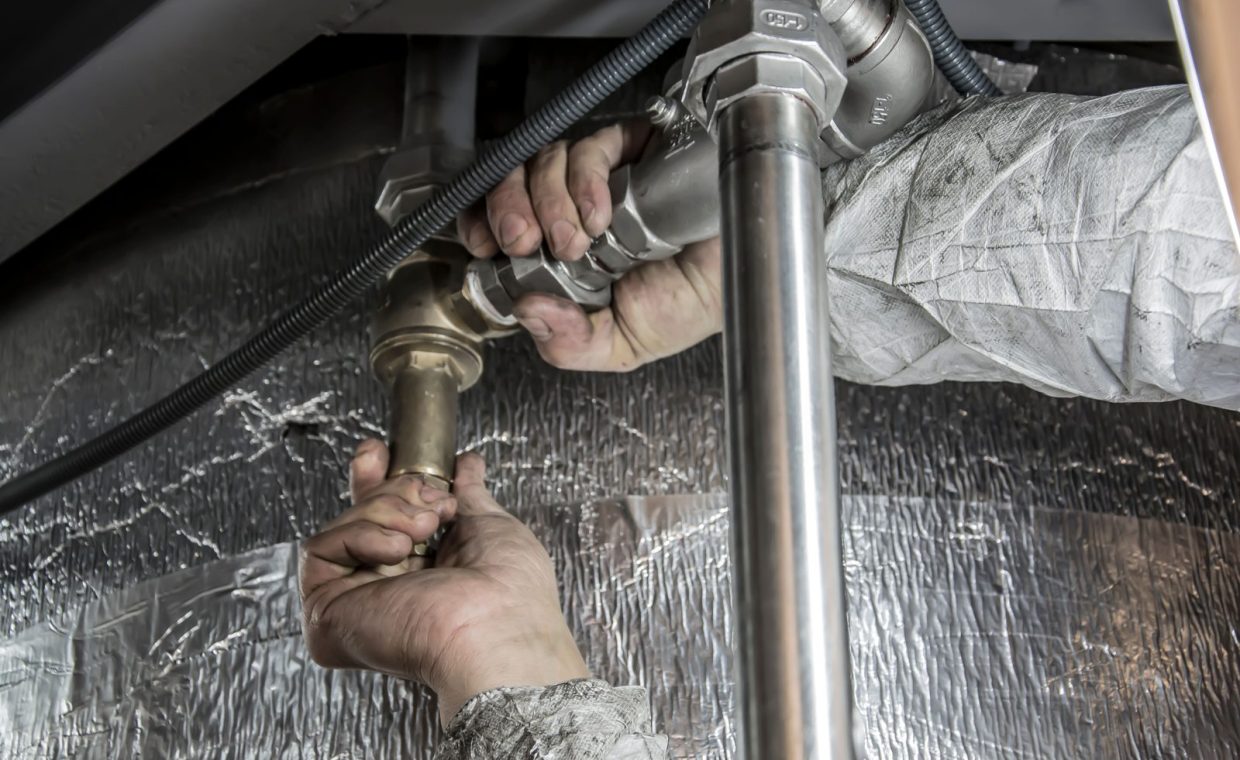
The plumber knelt by the water heater, popped a fitting loose, and held up a chunk of copper pipe so corroded the inside opening had shrunk to the diameter of a pencil. "This is why your shower pressure stinks," he said. The homeowner had been blaming the city. The real answer was 40-year-old pipes quietly closing up from the inside.
That is the moment most people learn the word "repipe." It usually arrives after a slab leak, a pinhole that ruined a ceiling, or water that runs rusty for the first ten seconds every morning. A whole-house repipe means replacing the supply lines that carry fresh water to every fixture, and for a typical single-family home that runs roughly $4,500 to $15,000 depending on size, access, and the material you pick.
I called three supply houses and two plumbers to figure out what separates a fair quote from a padded one. The biggest fork in the road is the material: PEX or copper. Here is how the money actually shakes out.
What you are actually paying for in a repipe
A repipe quote is mostly labor, not pipe. The crew has to open walls, run new lines, reconnect every fixture, pressure-test the system, and patch the holes they cut. On a 1,500 to 2,000 square foot home with two bathrooms, expect something like this:
- Labor: roughly $2,500 to $9,000, the single largest line item and where access drives the price.
- Materials: roughly $800 to $4,000, swinging widely between PEX and copper.
- Permits and inspection: typically around $150 to $600, required almost everywhere for supply work.
- Drywall patch and paint: often $500 to $2,500, sometimes bundled, sometimes a separate trade you hire.
That last line catches people off guard. A plumber may quote "the plumbing" and leave the wall repair to you. Always ask in writing whether patching is included, because a cheap-looking bid can hide a $2,000 finishing gap.
Two quotes that look $3,000 apart often differ on who patches walls, whether the water heater connections and main shutoff are included, and how many fixtures are counted. Get the fixture list and the patch responsibility in writing before you compare numbers.
The PEX case: cheaper, faster, flexible
PEX is cross-linked polyethylene, a flexible plastic tubing that has taken over residential repipes over the last 20 years. It bends around corners, needs far fewer fittings, and a crew can run it through walls in a fraction of the time copper takes.
That speed is the money. Because PEX cuts labor hours and the material itself is cheap, a full PEX repipe often lands in the $4,500 to $9,000 range for an average home. It also handles freezing better, expanding instead of bursting, which matters in cold climates.
The knocks against PEX are real but narrow. It cannot sit in direct sunlight (UV degrades it), some early fittings had recall issues, and a few people dislike that it is plastic carrying their drinking water. Modern PEX-A and quality fittings have largely settled the durability worries.
The copper case: proven, premium, pricey
Copper has been the gold standard for decades, and for good reason. It is rigid, it resists bacteria, it shrugs off heat, and a clean copper install can outlast the people who paid for it. When a home inspector sees copper supply lines, they relax a little.
The cost is the catch. Copper itself is expensive and the price bounces with the commodity market, and installing it is slow, skilled work involving cut, ream, flux, and solder at every joint. A full copper repipe commonly runs $8,000 to $15,000 or more, sometimes pushing higher in big or hard-to-access homes.
Copper also has one quiet weakness: in areas with acidic or aggressive water, it develops pinhole leaks over time, the exact failure that sends many older copper homes into a repipe in the first place. Material does not cancel out bad water chemistry.
If your existing copper failed from pinholes, repiping in fresh copper without addressing water chemistry can repeat the problem. Ask for a water test. Sometimes the smarter spend is PEX plus a treatment system, not premium copper.
PEX vs copper, side by side
Here is the honest comparison I put together after the supplier calls, framed on what a homeowner actually feels: upfront cost, how long it lasts, what it asks of you later, and where it can let you down.
| Factor | PEX | Copper |
|---|---|---|
| Typical repipe cost | $4,500 - $9,000 | $8,000 - $15,000+ |
| Material cost | Low, stable | High, market-driven |
| Install speed | Fast (fewer fittings) | Slow (soldered joints) |
| Expected lifespan | Roughly 40-50 years | Roughly 50-70+ years |
| Upkeep | Minimal, keep out of UV | Minimal, watch water chemistry |
| Freeze behavior | Expands, rarely bursts | Can split when frozen |
| Main risk | Cheap fittings, UV exposure | Pinhole leaks in acidic water |
| Resale perception | Accepted, very common now | Premium, inspector favorite |
What moves the price up or down
Material is only half the story. Several things swing a repipe bid hard in either direction:
- Slab vs crawlspace vs basement: homes on a slab cost more because lines often reroute through walls and attic instead of under the floor.
- Number of bathrooms and fixtures: every additional bathroom adds runs, fittings, and patches.
- Two stories: vertical runs and more wall openings raise both labor and finishing.
- Finished walls and tile: cutting into tiled bathrooms or finished basements adds careful demo and pricier repair.
Which one wins, and for whom
For most homeowners repiping a typical house today, PEX wins on value. It costs thousands less, installs faster (less time with your water shut off), and lasts long enough that you will likely never repipe again. If your budget is the deciding factor, PEX is the sensible default and not a compromise.
Copper earns its premium in specific cases. Choose it if you plan to stay for decades and want the longest possible lifespan, if you are restoring a high-end home where resale buyers expect it, or if local code or an HOA pushes you that direction. Just confirm your water is not acidic first.
A repipe quote far below the others usually means someone skipped the permit, plans to leave your walls open, or is counting fewer fixtures. Cheap now can mean a failed inspection and a second crew later. The mid-range bid with a clear written scope is almost always the real fair deal.
Whichever way you go, a repipe is also the right moment to think about the rest of your home systems. While walls are open, ask about insulating hot-water lines, a job that pairs naturally with other ways to lower your monthly utility bills. And treat your new plumbing the way you would your heating and cooling: a little attention prevents big repairs, the same logic behind avoiding the most common HVAC maintenance mistakes that quietly shorten equipment life.
How long does a whole-house repipe take?
Most homes finish in two to five days. PEX is on the faster end because it needs fewer fittings, while copper takes longer due to soldered joints. Your water is usually off for only part of that time, often a day or less.
Can I live in the house during a repipe?
Usually yes. The crew typically restores water each evening even if the job runs multiple days. Expect noise, dust, and short periods without water during the day, so plan around showers and laundry.
My pipe just started leaking. Do I need a full repipe right now?
Not necessarily. A single leak can be a spot repair, but repeated pinholes across the house signal system-wide failure. If you are mid-flood, shut off the main and work through the first steps for a repair emergency before deciding on a full repipe.
A repipe is a big check to write, but it is one of the few home projects that genuinely ends a problem instead of postponing it. Get two or three bids, compare the scope and not just the bottom number, test your water, and pick the material that fits your budget and how long you plan to stay. Do that, and you will pay a fair price for water that just works, quietly, for the next several decades.