
A homeowner called me last spring after getting three quotes for a furnace and AC swap. They ranged from $7,800 to $16,400 for what sounded like the same job. She thought the cheap guy was hiding something and the expensive guy was the "good" one. After ten minutes reading the proposals, I told her the opposite was closer to the truth.
HVAC is one of the few trades where two contractors can look at the same house and price it twice as high as each other, both legally and honestly. The difference usually is not the equipment. It is the labor scope, the parts they quietly leave off, and the upsells stacked on top.
I have been on the install side of this for a long time, and I want to walk you through how to read these bids like a tradesman would. Most of the real work happens where you never look, so that is where we will start.
Get the Quote in Writing With Line Items
A verbal "around ten grand" tells you nothing. Ask every contractor for an itemized written proposal before you compare anything. If a salesperson refuses to break it down, that is your first red flag.
A real proposal separates the big buckets so you can see where the money goes. For a typical furnace-and-AC replacement, expect something like this:
- Equipment (the furnace, condenser, coil, thermostat): often $3,500 to $7,000 depending on tier and efficiency.
- Labor (removal, install, startup): roughly $2,000 to $4,500.
- Materials (line set, whip, pad, fittings, refrigerant): typically $400 to $1,200.
- Permits and inspection: usually $150 to $500, and yes, you want this on there.
When a $7,800 bid and a $16,400 bid both list the same Carrier or Trane model, the equipment line is nearly identical. The spread is hiding in labor and in what one of them is not doing. For a full picture of where these numbers land across regions and tiers, our breakdown of new HVAC system costs is a good gut-check before you read a single bid.
Confirm All Three Bids Are the Same Scope
This is where 80 percent of confusion lives. Homeowners compare a number on page one without checking that the jobs match. They almost never do.
Walk down each proposal and mark whether these items are included or missing:
- New refrigerant line set, or reusing the old one.
- A new condensate drain and proper slope (old drains clog and flood).
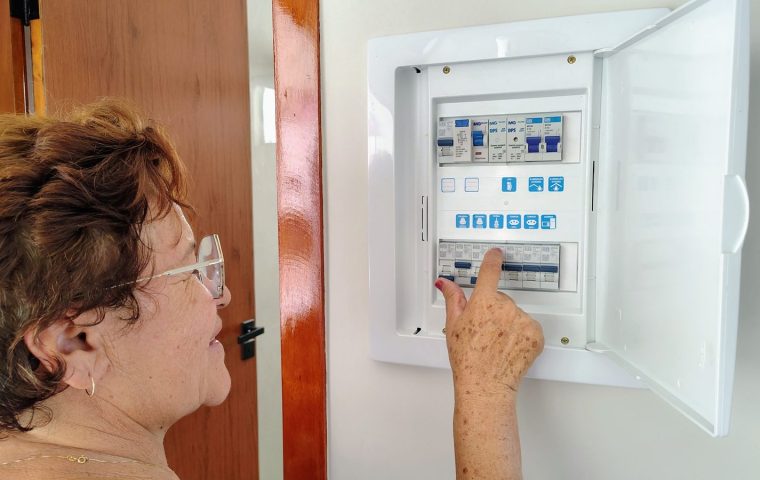
- Electrical disconnect and a correctly sized breaker.
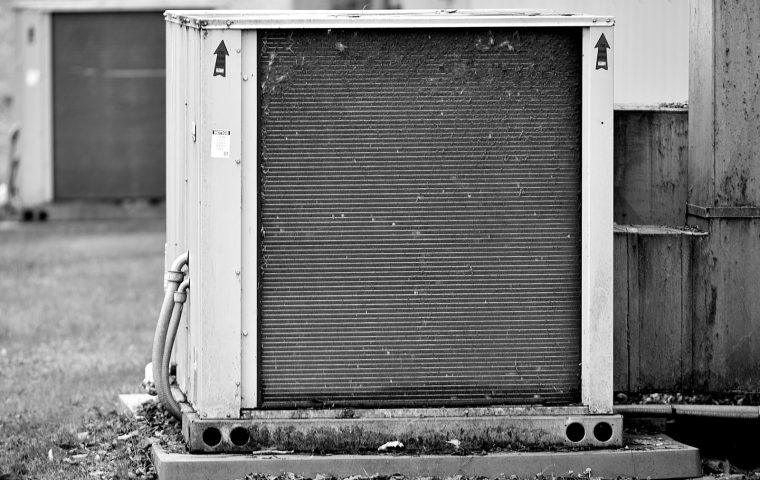
- A new pad or bracket for the outdoor unit.
- Sealing and resizing the plenum where the new unit meets old ductwork.
The cheap bid often "wins" because it reuses the old line set, skips the disconnect, and slaps the new condenser on a cracked pad. Six months later you have a refrigerant leak and an inspector who will not sign off.
Ask each contractor point blank: "Are you reusing my existing line set, and if so, are you flushing it?" Old line sets carry oil from a dead compressor. Reusing one without a proper flush can wreck a brand new unit. A pro will have a clear answer. An upseller will get vague.
Make Them Show the Load Calculation
Here is the classic upsell: "Your old unit was a 3-ton, but with summers like these you really want a 4-ton." Bigger sounds safer. It is usually wrong.
An oversized AC short-cycles, never pulls humidity out of the air, and wears out faster. Sizing should come from a Manual J load calculation that accounts for your square footage, insulation, windows, and orientation, not from a guess or a sales target.
Ask, "Did you run a load calc, and can I see it?" If the answer is a shrug and a "trust me, bigger is better," you are being upsold. A contractor who sizes by the book will happily show the math.
Separate the Real Add-Ons From the Junk
Not every add-on is a scam. Some genuinely protect the system. The skill is telling the two apart.
Add-ons that are often worth it
- A surge protector for the condenser (roughly $150 to $300 installed). Cheap insurance against a fried board.
- A new properly sized return if the old one was choking the system.
- A condensate safety switch that shuts the unit off before a clogged drain floods your ceiling.
Add-ons that are usually padding
- Premium UV lights and air "purifiers" pushed at $800 to $1,500. They rarely earn their keep in a normal home.
- Extended labor warranties marked up two or three times over cost.
- "Whole-home" duct cleaning bundled in at $600 when your ducts are fine.
The same logic applies elsewhere in the house. A genuine protective device, like a sump pump in a basement that takes on water, earns its price, and you can see how those numbers work in our sump pump cost guide. The trick is paying for protection you need, not theater.
A favorite tactic is steering you off the price and onto "just $189 a month." That payment usually hides a higher total and a padded scope. Always ask for the cash price and the financed total in dollars, then compare those, not the monthly number.
Vet the License, Insurance, and Permit
The number on the page means nothing if the person installing is not licensed and insured. This protects you, not them.
Ask for three things and actually check them:
- A current state HVAC or mechanical license number you can verify online.
- Proof of liability insurance and workers' comp.
- Written confirmation they will pull the permit and schedule the city inspection.
When a contractor wants to skip the permit "to save you the fee," walk away. The permit is what forces a third party to verify the gas line, the electrical, and the refrigerant charge. Skipping it is how small mistakes turn into the kind of damage covered in our piece on preventing expensive repairs before they start.
Compare on Total Value, Not Just Price
Once your three bids cover the same scope, you can finally compare apples to apples. Line them up side by side and look at five things: equipment tier, full labor scope, warranty terms, who pulls the permit, and the company's track record.
Often the middle bid wins. The cheapest cut corners you will pay for later, and the priciest loaded up on upsells. A fair full-system replacement for an average home tends to land somewhere around $8,000 to $12,000 in most markets, with high-efficiency or difficult installs running higher.
If a salesperson says the price is only good if you sign tonight, end the meeting. Real HVAC pricing holds for at least a week or two. Pressure to sign immediately exists to stop you from getting that third comparison bid, which is exactly the bid that protects you.
Be Present on Install Day
You do not need to hover, but a few minutes of attention pays off. The work that separates a clean install from a callback is mostly invisible once the panels go back on.
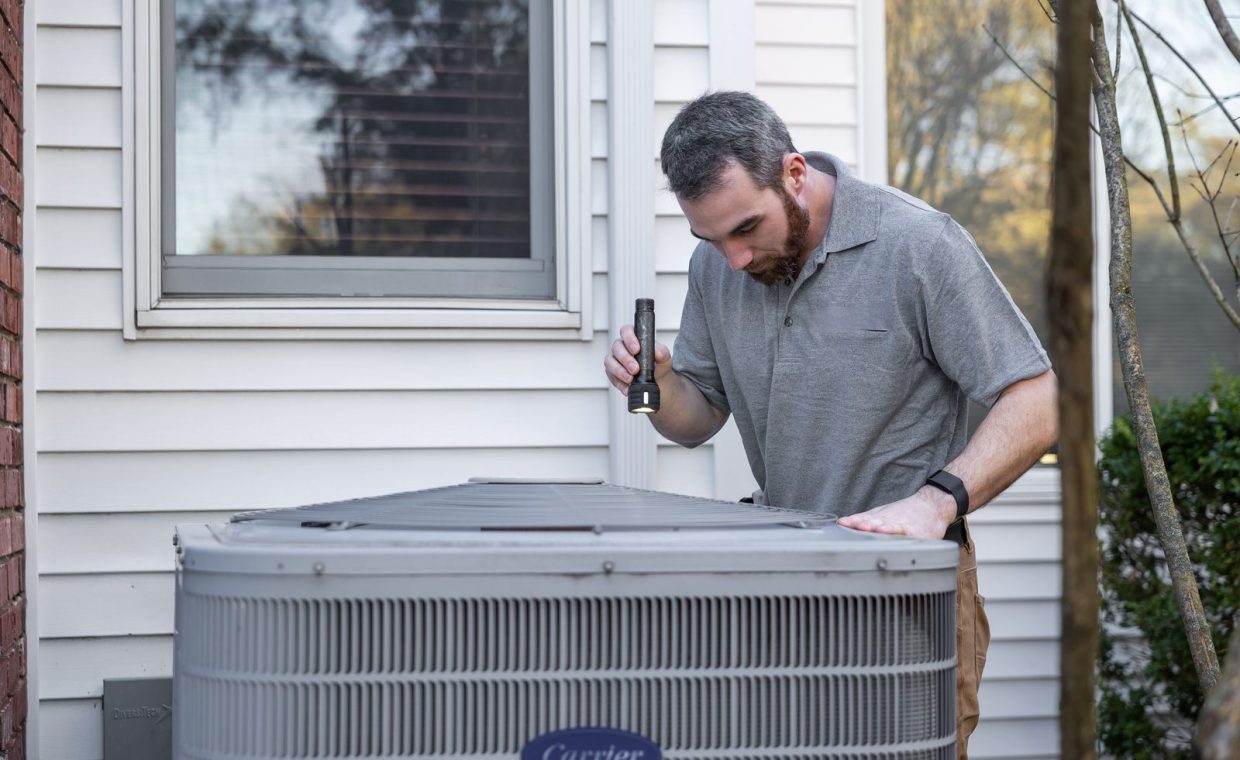
Glance at whether they pulled a vacuum on the line set before charging it (you will see a gauge set and a small pump). Check that the outdoor unit sits level on a solid pad. Confirm the new condensate line drains properly. These small steps are the difference between a system that lasts fifteen years and one that limps to eight.
How many HVAC quotes should I get?
Three is the sweet spot. Two leaves you guessing which is the outlier, and more than four usually just wastes everyone's time. Make sure all three quote the identical scope so the comparison actually means something.
Is the most expensive HVAC quote always the best work?
No. Price often reflects upsells and overhead more than install quality. A mid-range bid from a licensed, insured contractor who pulls permits and runs a load calc usually beats both the bargain bid and the loaded-up premium one.
What is the single biggest HVAC upsell to watch for?
Oversizing the equipment. "You need a bigger unit" sounds protective but usually means a system that short-cycles, ignores humidity, and dies early. Always ask to see the Manual J load calculation that justifies the size.
Getting an honest HVAC quote is less about being a tough negotiator and more about asking the few questions that make a salesperson show their work. Demand line items, match the scope, verify the license, and check the load calc. Do that, and the upsells tend to fall away on their own. If a contractor respects those questions, they are probably the one you want under your floor and on your roof.