
A few years back I priced two kitchens on the same street in the same month. One homeowner spent $48,000 chasing a magazine look. The other spent $14,000 on smarter, simpler choices. When both houses sold, the cheaper kitchen got nearly the same buyer reaction. The expensive one did not get its money back.
That gap is the whole game. Some upgrades pay you in comfort every single day. Some pay you back at resale. And a surprising number do neither, no matter how good they look on the showroom floor.
I have priced thousands of jobs, and the pattern is consistent. The upgrades that earn their keep are rarely the flashy ones. Here are the ten I tell my own friends and family to spend on.
1. Replacing the Front Door
A mid-grade steel or fiberglass entry door runs roughly $1,200 to $3,500 installed, with the door itself around $400 to $1,500 and labor eating the rest. Solid fiberglass with a real finish lands at the top of that range.
This is one of the few projects where the resale numbers and the comfort payoff actually line up. A tight new door kills drafts, and it is the first thing a buyer touches. I have seen tired entries knock real money off offers without anyone saying a word about it.
Skip the cheapest builder-grade steel door. The skin dents if you look at it wrong, and the foam core compresses at the hinges within a few winters. Spend the extra $300 on a thicker gauge.
2. Refacing Cabinets Instead of Tearing Them Out
Here is where the money quietly disappears in most kitchens. New custom cabinets can run $15,000 to $35,000 installed. Refacing the same boxes, meaning new doors, drawer fronts, and veneer on the visible frames, typically costs $4,000 to $10,000.
If your cabinet boxes are solid and the layout works, refacing gets you 80 percent of the visual change for a third of the price. I walk people through the full math in cabinet refacing versus replacing, because the decision really comes down to the condition of the boxes you already own.
The honest catch: if your boxes are particleboard that has swelled near the sink, or the layout fights you every morning, refacing just puts lipstick on a bad plan. Replace those.
3. Attic and Wall Insulation
Nobody brags about insulation at a dinner party, and that is exactly why it is undervalued. Air-sealing and topping up attic insulation usually runs $1,500 to $3,500 for an average house. Blown-in cellulose is cheap; the labor and prep are where the cost sits.
You feel this one in the first month. Rooms hold temperature, the furnace cycles less, and the upstairs stops baking in July. The payback in lower energy bills often lands inside three to five years, and the comfort is immediate.
On a typical $2,500 attic job: roughly $400 to $700 in materials, the rest is labor and air-sealing prep. The sealing matters more than the inches of fluff. Insulation over leaky gaps barely works.
4. A Mid-Range Kitchen Refresh (Not a Gut Job)
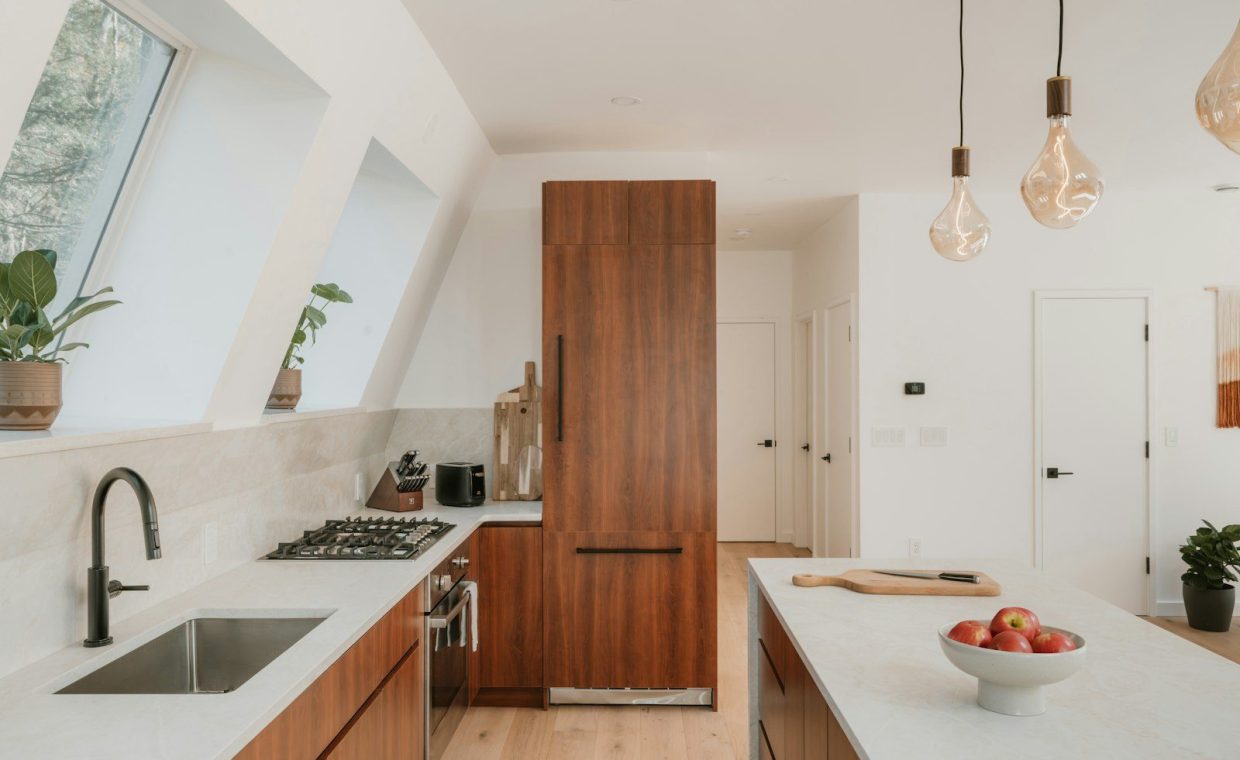
The smartest kitchen money I see spent is the targeted refresh: new counters, refaced or repainted cabinets, updated hardware, a decent faucet, and fresh lighting. That package runs roughly $8,000 to $18,000 depending on counter material.
Quartz counters alone are usually $50 to $100 per square foot installed. For an average kitchen that is $2,500 to $5,000 of the budget right there. It is the single change buyers notice first.
The gut renovation, moving plumbing and walls, is where budgets double overnight. Most kitchens do not need it. They need to look maintained, not rebuilt.
5. Garage Door Replacement
An insulated steel garage door runs roughly $1,200 to $3,000 installed for a standard two-car size. The opener, if it needs replacing too, adds $300 to $600.
On houses where the garage faces the street, this door is a huge chunk of what people see from the curb. Swapping a dented, sun-faded door for a clean insulated one changes the whole front of the house for not much money. It is one of the most reliable resale upgrades on this list.
6. Adding a Bathroom Where the Plumbing Already Lives
A new bathroom is expensive when you are running plumbing across the house, but cheap when you tap into a line that is already there. Carving a half-bath out of existing space near a stack typically runs $5,000 to $12,000. A full bath in the same favorable spot might run $12,000 to $25,000.
The figure that moves: how far the drain has to travel. Every foot of new waste line, and every wall you open to chase it, adds labor and drywall repair. Put the new bathroom near existing plumbing and the price drops fast.
Bathroom additions hide more surprises than almost any other project: old wiring, hidden water damage, undersized drains. Make sure your contract spells out who pays when the walls come open. I break down the clauses that protect you in how to read a construction contract.
7. Better Windows, but Only the Bad Ones
Replacement windows run roughly $500 to $1,200 each installed for a quality double-pane unit. Whole-house jobs climb into the $10,000 to $25,000 range, which is where people overspend.
Here is my plain take: replacing every window in a house rarely pays back the full cost at resale. But replacing the handful that are rotted, foggy, or painted shut is money well spent. Target the worst offenders, especially on the front of the house, and leave the decent ones alone.
If your "windows" are really single-pane originals letting in winter wind, that changes the math toward doing more of them. Comfort wins there.
8. Refinishing Hardwood Floors
If you already have hardwood under old carpet or tired finish, refinishing is one of the best dollar-for-dollar moves in any house. Sanding and refinishing typically runs $3 to $8 per square foot, so a 1,000 square foot main floor lands around $3,000 to $8,000.
Compare that to new flooring at $10 to $20 per square foot installed and you see the appeal. Buyers love real wood, and refinished floors photograph beautifully. I have watched dingy floors come back to life for a fraction of replacement cost.
9. Heat Pump or High-Efficiency HVAC
A new heat pump system runs roughly $6,000 to $14,000 installed depending on size and whether ductwork needs work. It is a big number, but it replaces both heating and cooling in one unit.
The comfort and bill savings are real, and in many areas there are utility rebates and tax credits that knock four figures off the price. Check those before you buy, because they change the actual cost more than any sales pitch will.
If your current system is over 15 years old and limping, this is not a luxury. It is a repair you get to plan instead of one that strands you on the hottest day of the year.
10. Fresh Paint, Inside and Out
Paint is the cheapest big visual change there is. Interior painting runs roughly $2 to $6 per square foot of floor area, so a typical house interior lands around $4,000 to $9,000 done professionally. Exterior painting runs $4,000 to $12,000 depending on size and prep.
Nothing else returns this much per dollar. Fresh, neutral paint makes a house feel cared for and move-in ready, which is exactly what budget-minded buyers respond to.
Pay for the prep, not the brand of paint. A $40 gallon over properly cleaned, sanded, and primed surfaces beats a $70 gallon slapped over grime every time. Cheaping out on prep is how paint fails in two years.
What Ties These Together
Notice the pattern. Every winner here either makes the house cheaper to live in, cleaner to look at, or both, without moving walls or chasing trends. The projects that drain budgets are usually the ones that relocate plumbing, gut working layouts, or buy luxury nobody asked for. I sorted the worst offenders in remodel splurges that are not worth it if you want the other side of this list.
Spend on comfort you feel daily (insulation, HVAC, doors) and on clean first impressions (paint, garage door, refinished floors). Be skeptical of anything that moves walls or plumbing unless you truly need the space.
Which single upgrade gives the best return for the lowest cost?
Fresh paint, almost every time. For a few thousand dollars it changes how an entire house reads, and buyers respond to a clean, cared-for look more than almost anything else in that price range.
Is it worth replacing all my windows at once?
Usually not for resale alone. A full-house window job rarely returns its full cost. Replace the rotted, foggy, or painted-shut ones, prioritize the front of the house, and leave functional windows in place.
Should I reface cabinets or replace them?
Reface if the boxes are solid and the layout works, since you save thousands for nearly the same look. Replace if the boxes are water-damaged particleboard or the layout genuinely fights you in daily use.
If you only do a few of these, start with the ones you will feel every day and let resale be the bonus. A warm, quiet, freshly painted house is a better place to live whether you sell next year or stay for twenty. Spend where it counts, and keep the receipts so the next owner can see the house was loved.