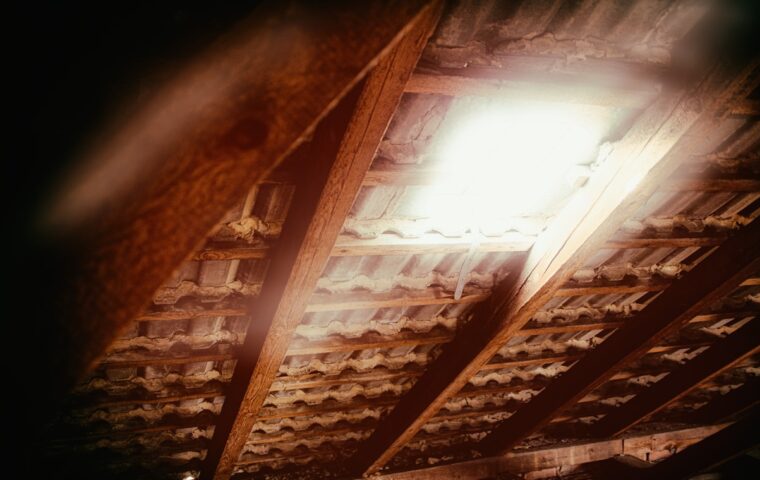

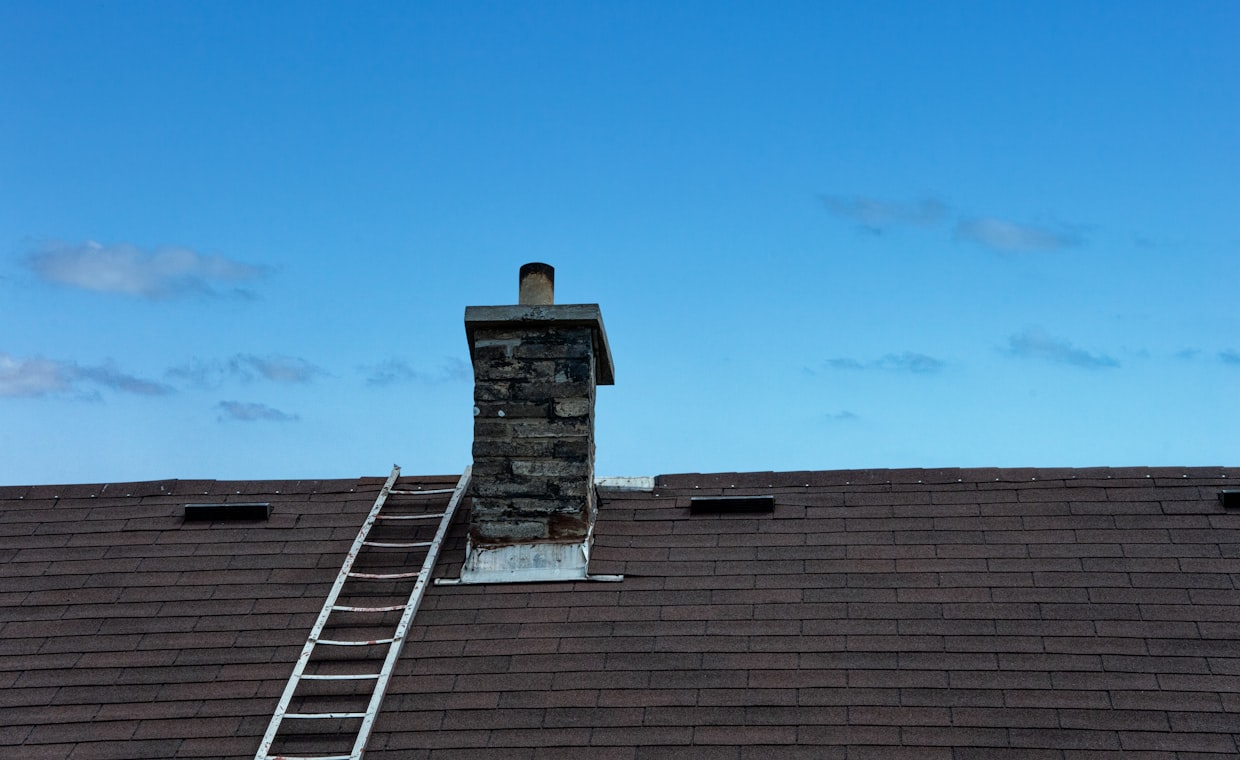
The first sign is rarely the chimney itself. It is a faint brown ring on a bedroom ceiling, the kind you notice one morning and promise yourself you will deal with later. A few weeks pass, the ring spreads a little wider, and you finally climb up for a proper look.
Or it shows up in the yard. I once walked a client's property after a windy night and found three chunks of mortar sitting in the grass like broken teeth. She had no idea anything was wrong. That mortar was the chimney quietly telling us its joints had given out.
Chimneys take more weather abuse than almost any part of a house. They stand above the roofline with masonry exposed on all four sides, and the price to fix one depends entirely on how far the damage has gone. A small repair can cost a couple hundred dollars. A rebuild can run into five figures. Knowing which job you actually need is how you avoid paying for the wrong one.
Water Is the Enemy, Not Age
Brick and mortar do not fail because they get old. They fail because water gets in, freezes, expands, and pries them apart one winter at a time. Every repair on this list is really about keeping water out or fixing what water already ruined.
That is why the cheap fixes matter so much. A modest cap or a fresh bead of flashing blocks the water that would otherwise rot the crown, wash out the mortar, and eventually force a rebuild. Small money now, or big money later. I have watched too many homeowners skip the small money.
If you can keep water out of a chimney, you can usually keep it standing for decades. Nearly every four and five figure repair I have seen started as a leak someone ignored.
Chimney Repair Costs at a Glance
Here is how the common repairs stack up, cheapest to most severe. These are typical 2026 ranges for US homes and will shift with your region, chimney height, and how much scaffolding the crew needs to reach the work.
| Repair type | Typical 2026 cost | Signs you need it |
|---|---|---|
| New chimney cap | $200 - $600 | No cap present, rusted or crushed cap, animals or debris in the flue |
| Flashing repair | $300 - $1,000 | Water stains near the chimney, loose or lifting metal at the roofline |
| Crown replacement | $300 - $1,500 | Cracked or crumbling concrete on top, concrete bits in the gutters |
| Repointing / tuckpointing | $500 - $2,500 | Open gaps in mortar joints, mortar dust or chunks in the yard |
| Flue relining | $2,000 - $5,000 | Failed inspection, cracked clay tiles, switching heating fuel |
| Partial or full rebuild | $4,000 - $15,000 | Leaning stack, flaking brick, loose bricks above the roofline |
The Small Fixes That Prevent Big Bills
Chimney cap ($200 to $600)
The cap is the little metal hood on top of the flue. It keeps rain, snow, leaves, and curious squirrels out of the chimney. A stainless steel single flue cap sits at the lower end, while a custom multi flue cover pushes toward the top.
This is the best value in the whole chimney. If yours is missing, rusted, or squashed, replace it before anything else. I treat a good cap the same way I treat clean gutters, as cheap insurance against expensive water damage.
Flashing repair ($300 to $1,000)
Flashing is the metal seal where the chimney passes through the roof. When it lifts, corrodes, or was never installed well, water runs straight down into the ceiling below. That brown ring from the intro is almost always a flashing problem.
A simple reseal sits at the low end. Replacing step flashing and counter flashing, especially during a roof replacement, costs more but is worth doing right. Never let anyone fix chimney flashing with a bucket of roof tar and call it done.
Repointing and Crown Work
Repointing and tuckpointing ($500 to $2,500)
Repointing means grinding out the old, crumbling mortar between the bricks and packing in fresh mortar. Tuckpointing is the same job finished with a decorative line. Cost depends on how much of the chimney needs it and how hard the old joints are to reach.
Those mortar chunks in the yard? This is the fix. Left alone, open joints let water sit inside the brickwork, and that is the direct path to a rebuild. Catching it at the repointing stage is one of the smartest spends on this whole list.
Crown replacement ($300 to $1,500)
The crown is the sloped concrete slab on top of the masonry that sheds water away from the flue. When it cracks, water pours into the body of the chimney. Small cracks can be sealed with a crown coating for a couple hundred dollars, while a fully failed crown needs to be rebuilt.
A proper crown has an overhang and a drip edge so water falls clear of the brick, much like the way good fascia and soffit detailing keeps water off the rest of your exterior. Cheap crowns skip that overhang and fail early.
Relining the Flue and Waterproofing
Flue relining ($2,000 to $5,000)
The flue is the inner channel that carries smoke and gases out. If the clay tiles crack or you switch heating fuels, the flue may need a new stainless steel liner. This is a safety repair as much as a water one, because a damaged flue can leak combustion gases into the house.
Relining is not cheap, but skipping it is dangerous. If a chimney sweep fails your flue on inspection, do not shop around for the answer you want to hear. Get a second opinion from a certified sweep, then reline.
Waterproofing ($150 to $600)
Once the masonry is sound, a breathable water repellent helps the brick shed water while still letting trapped moisture escape. It is a modest add on that extends the life of fresh repointing. Do not let anyone seal a chimney that still has open joints, because you will just lock water inside.
Partial and Full Rebuilds
When the brick above the roofline is flaking apart, leaning, or dropping loose bricks, you are past patching. A rebuild takes the chimney down to a sound course of brick and builds back up from there. A partial rebuild of the exposed section starts around $4,000, while a tall or complex full rebuild can reach $15,000.
This is the bill everyone wants to avoid, and almost everyone could have. Nearly every rebuild I have managed traced back to a missing cap or a cracked crown that let water work for years. The rebuild is expensive precisely because water had all that time to do its job.
How to Avoid Overpaying
Start with an inspection from a certified chimney sweep, not a contractor who happened to notice your chimney while doing something else. A $100 to $250 inspection tells you which repair you actually need, so you are not sold a rebuild when repointing would do.
Get at least two written quotes for anything over a thousand dollars, and ask each one to spell out the materials. Stainless caps and liners cost more than galvanized and last far longer, so a low bid built on cheap metal is not really cheaper.
Time the work with other exterior jobs when you can. Folding chimney flashing into a roof project, or handling it alongside your other preventive exterior repairs, saves on setup and keeps small problems from growing into a rebuild.
How do I know if my chimney needs repointing or a full rebuild?
Look at the brick, not just the mortar. If the joints are open but the bricks are solid and the stack is straight, repointing is enough. If bricks are flaking, crumbling, or the chimney is leaning, you are into rebuild territory. A certified sweep can usually tell you in one visit.
Can I just cap and seal a chimney to stop a leak instead of repairing it?
Only if the masonry underneath is still sound. A cap and waterproofing keep new water out, but they do nothing for joints that are already open or a crown that is already cracked. Seal a healthy chimney, and repair a damaged one first.
Is chimney repair covered by homeowners insurance?
Usually not for wear and tear, which is what most chimney damage turns out to be. Insurance may help if the damage came from a sudden covered event like a lightning strike or a fallen tree. Routine repointing, crowns, and liners typically come out of pocket, which is one more reason to catch problems early.
A chimney rarely fails all at once. It sends signals first, a stain, a chunk of mortar, a rusted cap, and each one is a chance to spend a little instead of a lot. Walk your roofline once a year, act on the small stuff, and you will likely never meet that five figure rebuild. That is the quiet math of chimney care, and it has saved my clients more money than any single repair ever has.